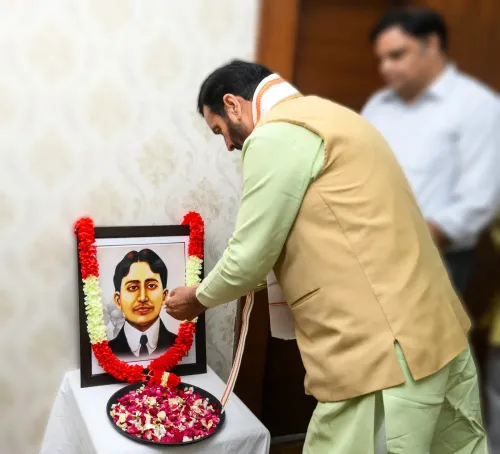
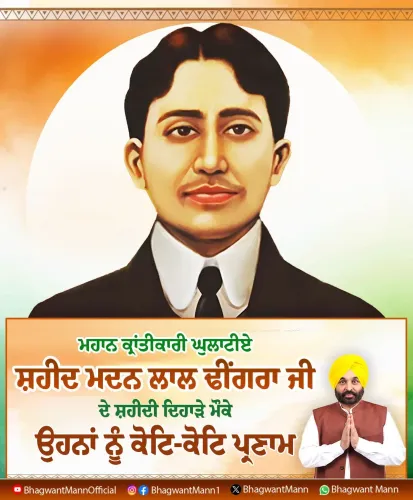
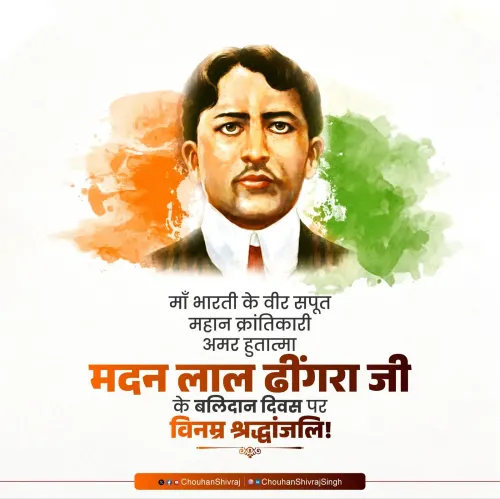
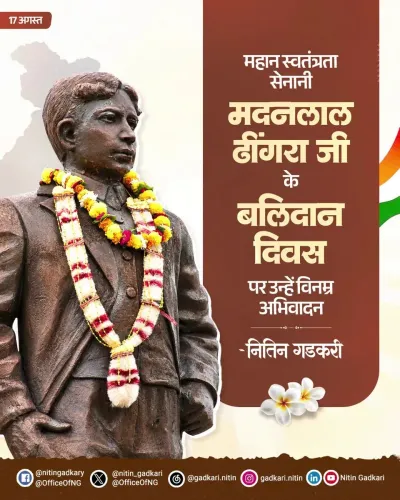
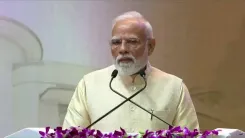
CM Samrat Choudhary pays tribute to revolutionary Madan Lal Dhingra
Synopsis
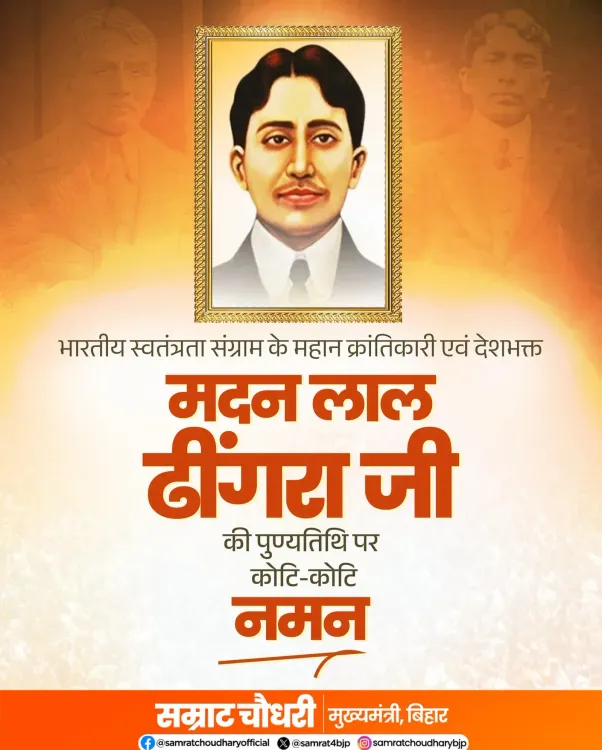
Bihar Chief Minister Samrat Choudhary paid tribute to revolutionary Madan Lal Dhingra on his death anniversary, 17 August 2026, honouring the 25-year-old who was hanged in London in 1909 for assassinating British official Sir Curzon Wyllie during India's freedom struggle.
Key Takeaways
Bihar CM Samrat Choudhary posted a tribute to Madan Lal Dhingra on X on 17 August 2026 , his death anniversary.
Madan Lal Dhingra (1883–1909) assassinated British official Sir Curzon Wyllie in London on 1 July 1909 .
Dhingra was hanged on 17 August 1909 , aged 25 , and is remembered as one of India's earliest armed-resistance martyrs.
CM Choudhary described Dhingra's courage and sacrifice as an 'eternal inspiration' for the people of India.
The tribute follows an established practice among BJP leaders of publicly commemorating revolutionary figures of the freedom struggle on their death anniversaries.
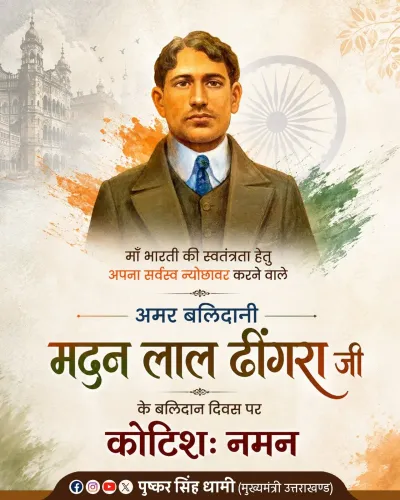
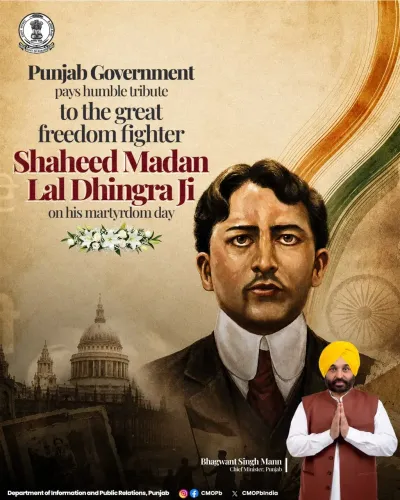
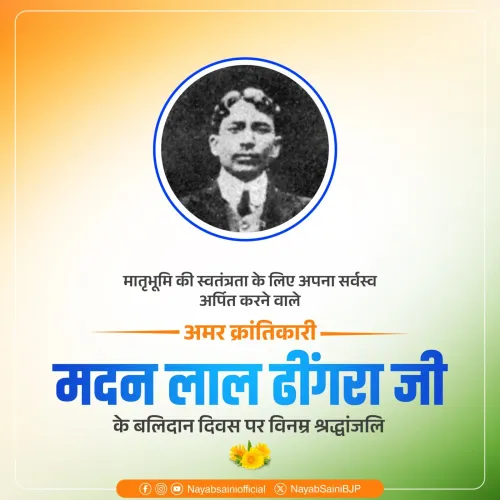
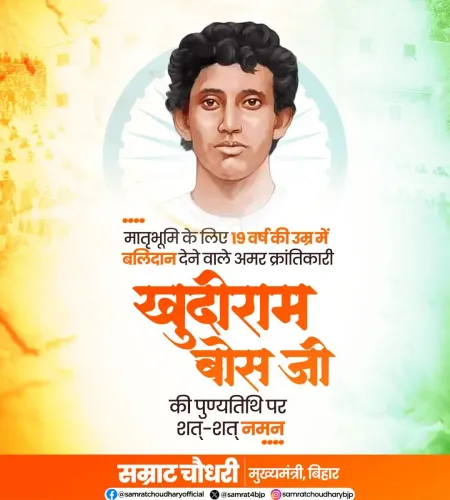
On the death anniversary of one of India's most daring early revolutionaries, Bihar Chief Minister Samrat Choudhary paused to honour a man who carried the fight for freedom all the way to the heart of the British Empire. On 17 August 2026, the senior BJP leader took to X to bow before the memory of Madan Lal Dhingra.
In his post, CM Choudhary wrote: 'Bhartiya swatantrata sangram ke mahan krantikari evam rashtrabhakt Madan Lal Dhingra ji ki punyatithi par unhe koti-koti naman' — offering 'countless salutes to the great revolutionary and patriot of the Indian freedom struggle on his death anniversary.' He added that Dhingra's 'indomitable courage, sacrifice, and martyrdom for the freedom of the motherland will continue to inspire the countrymen forever.'
Who was Madan Lal Dhingra — and why does his name still resonate
Madan Lal Dhingra was born in 1883 and travelled to London to study engineering. What he found there was a radicalising encounter with Indian nationalist thought, particularly through the circle of Vinayak Damodar Savarkar. On 1 July 1909, at a public gathering in London, Dhingra shot and killed Sir Curzon Wyllie, a British Indian Army officer and aide to the Secretary of State for India. He made no attempt to flee.
At his trial, Dhingra delivered a statement that became one of the most cited declarations of the armed resistance movement — refusing to recognise the court's authority and framing his act as a soldier's duty to a colonised nation. He was hanged on 17 August 1909, aged 25. His execution date is the reason tributes fall on this day each year, just two days after Independence Day.
A ritual of remembrance with political roots
CM Choudhary's tribute fits a well-established pattern: leaders across India's political spectrum, and particularly within the BJP, regularly mark the death anniversaries of early 20th-century revolutionaries on social media. For the BJP, figures like Dhingra — who chose armed resistance over constitutional petition — hold a specific place in the party's reading of the freedom struggle, one that foregrounds sacrifice and nationalist fervour alongside the better-known Gandhian tradition.
The timing, two days after Independence Day, gives these tributes added resonance. The nation has just concluded its 15 August commemorations; Dhingra's anniversary arrives as a quiet but pointed coda — a reminder that freedom's price was paid in instalments, by individuals whose names rarely make it into school textbooks.
Dhingra was 25 years old when he was executed. That number, more than any rhetoric, is the sharpest argument his admirers still make.
Point of View
Just two days after Independence Day, amplifies the symbolism and keeps revolutionary memory in public circulation. For a Chief Minister consolidating his political identity in Bihar, aligning with martyrs of this stature carries both ideological and electoral weight.
NationPress
1 Oct 2026
Frequently Asked Questions
Who was Madan Lal Dhingra?
Madan Lal Dhingra (1883–1909) was an Indian revolutionary who assassinated British official Sir Curzon Wyllie in London on 1 July 1909 to protest British rule over India. He was hanged on 17 August 1909 at the age of 25 and is regarded as one of the earliest martyrs of the armed independence movement.
Why is Madan Lal Dhingra's death anniversary observed on 17 August?
Dhingra was executed by British authorities on 17 August 1909 in London, making that date his death anniversary. It falls two days after India's Independence Day on 15 August, giving the commemoration added national significance.
Who did Madan Lal Dhingra assassinate?
Dhingra shot and killed Sir Curzon Wyllie , a British Indian Army officer serving as aide-de-camp to the Secretary of State for India, at a public function in London on 1 July 1909 .
Why did Bihar CM Samrat Choudhary pay tribute to Madan Lal Dhingra?
Bihar Chief Minister Samrat Choudhary posted the tribute on 17 August 2026 , Dhingra's death anniversary, calling his sacrifice an eternal inspiration for the people of India. Such commemorations are a regular practice among senior BJP leaders on freedom-struggle anniversaries.
What did Samrat Choudhary say about Madan Lal Dhingra?
CM Choudhary said Dhingra's 'indomitable courage, sacrifice, and martyrdom for the freedom of the motherland will continue to inspire the countrymen forever,' offering him 'countless salutes' on his death anniversary.