CM Conrad Sangma lays foundation stone for PASF-Abong Noga College in Tura
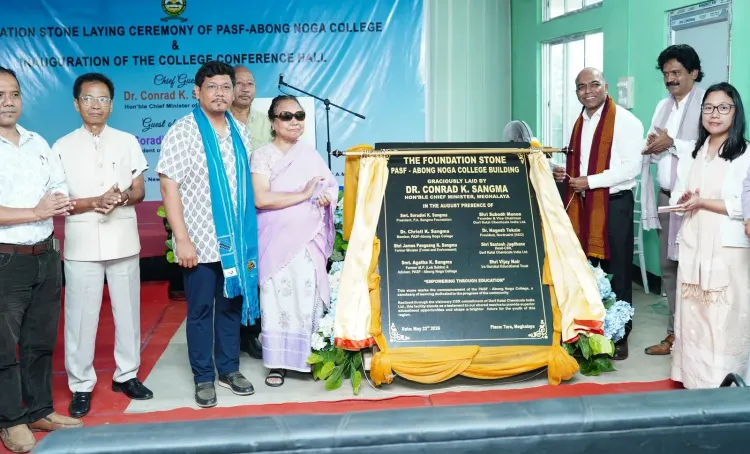
Synopsis
Meghalaya Chief Minister Conrad Sangma laid the foundation stone for the new building of PASF-Abong Noga College in Tura and inaugurated its Conference Hall on 22 May 2026, invoking the educational legacy of his father, the late P. A. Sangma, with CSR support from Dorf Ketal Chemicals India Ltd.
Key Takeaways
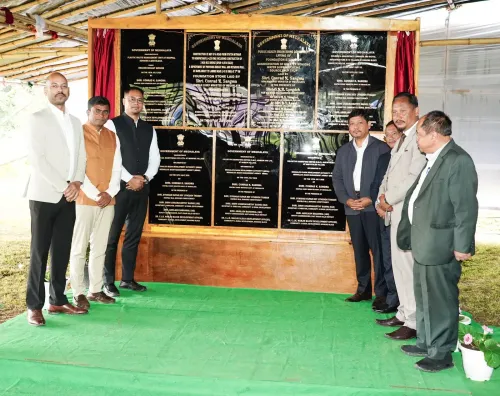
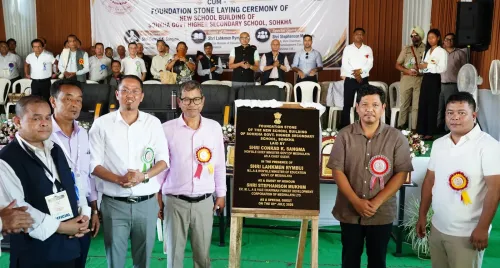
Conrad Sangma laid the foundation stone for the new building of PASF-Abong Noga College in Tura on 22 May 2026 .
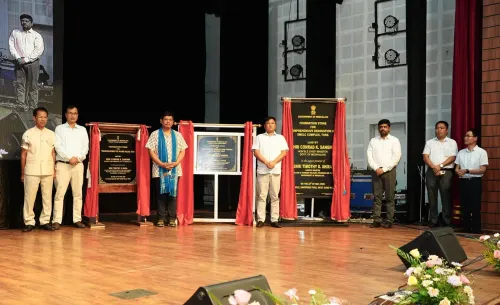
The Chief Minister also inaugurated the college's new Conference Hall at the same event.
The college is linked to the legacy of the late P.
Sangma , former Lok Sabha Speaker and founder of the National People's Party .
Dorf Ketal Chemicals India Ltd. supported the project through their CSR initiative .
The development is part of Meghalaya's broader focus on expanding higher-education infrastructure in Garo Hills and the Northeast.
Conrad Sangma expressed hope the institution would become 'one of the premier institutions of the region and the Northeast.'
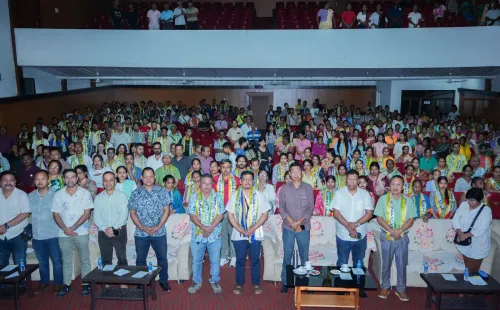
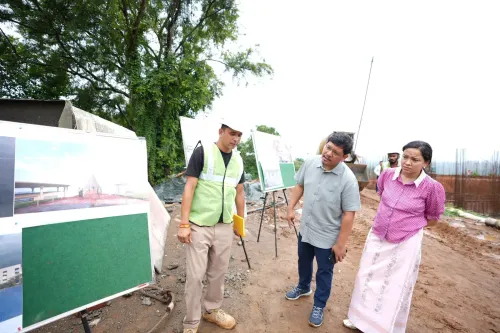
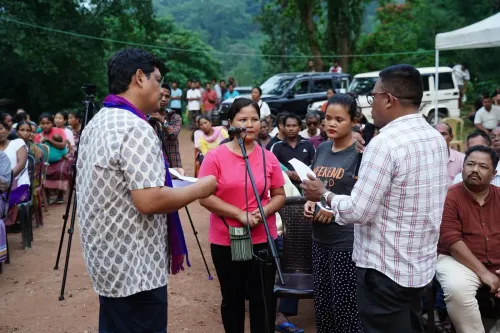
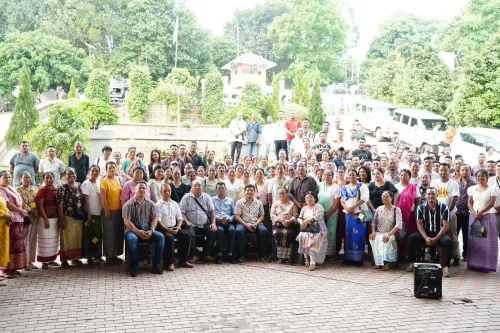
Meghalaya Chief Minister Conrad Sangma on Friday, 22 May 2026, laid the foundation stone for the new building of PASF-Abong Noga College in Tura and inaugurated its new Conference Hall, marking a significant step in expanding higher-education infrastructure in the Garo Hills region. The event drew attention to the college's ties to the legacy of the late Purno Agitok Sangma, former Lok Sabha Speaker and founder of the National People's Party.
Context
In his post, Conrad Sangma described the occasion as a privilege, saying the institution 'carries forward the vision of late P. A. Sangma, who believed deeply in the transformative power of education.' The Chief Minister expressed hope that PASF-Abong Noga College would 'emerge as one of the premier institutions of the region and the Northeast and become a true tribute to the vision of P. A. Sangma.' The inauguration also covered a newly built Conference Hall, adding to the college's existing academic facilities.
Tura, the principal town of Garo Hills in western Meghalaya, has steadily grown as an educational centre. The event underscores the state government's stated priority of building quality higher-education capacity beyond the state capital Shillong.
Policy Backdrop
The foundation-stone laying aligns with the goals of the National Education Policy 2020, which set national targets for expanding higher-education infrastructure and raising gross enrolment ratios, particularly in the Northeast. Meghalaya has in recent years worked to increase the number and quality of colleges in its interior districts, with Garo Hills identified as a priority zone for educational investment.
The project received support from Dorf Ketal Chemicals India Ltd. through their CSR initiative. Public-private partnerships via corporate social responsibility have become a recurring mechanism for funding college buildings and facilities in smaller towns across the Northeast, supplementing state budgetary allocations.
Stakeholders and Impact
The primary beneficiaries are students and youth from Garo Hills and surrounding areas, who stand to gain from improved academic infrastructure closer to home. The college's expansion is positioned as a continuation of the educational philosophy championed by the late P. A. Sangma, who consistently advocated for education as a tool of tribal development during his decades in national politics, including his tenure as Speaker of the Lok Sabha from 1996 to 1998.
Faculty, administrative staff, and the broader academic community in Tura are also direct stakeholders. Conrad Sangma extended his 'best wishes to the students, faculty, and everyone associated with the institution,' signalling the government's continued engagement with the college's growth.
What's Next
Construction milestones for the new college building will be closely watched by local communities and education advocates in Garo Hills. Any parallel announcements on additional colleges, skill-development centres, or infrastructure upgrades in the region could further signal the state government's commitment to its education agenda.
As Meghalaya positions itself as a model for Northeast development, the government's focus on linking institutional growth to the legacy of founding political figures like P. A. Sangma reflects a broader pattern of policy continuity and regional identity-building that is likely to continue ahead of future electoral cycles.
Point of View
Conrad Sangma reinforces the NPP's identity as the custodian of a distinct Garo Hills political and educational tradition. Bringing in Dorf Ketal Chemicals through CSR signals the state's strategy of leveraging private capital to bridge gaps in public education spending, a model gaining traction across Northeast India. The event also fits a pattern where Northeast chief ministers use foundation-stone ceremonies in district towns to demonstrate development reach beyond state capitals. With the Northeast's gross enrolment ratio still trailing national averages, visible investments in Garo Hills carry both governance and electoral weight.
NationPress
22 Sept 2026
Frequently Asked Questions
What did Conrad Sangma inaugurate in Tura on 22 May 2026?
Conrad Sangma laid the foundation stone for the new building of PASF-Abong Noga College and inaugurated its new Conference Hall in Tura, Meghalaya, on 22 May 2026.
Who was P. A. Sangma and what is his connection to PASF-Abong Noga College?
The late Purno Agitok Sangma was a senior Meghalaya politician, Speaker of the Lok Sabha from 1996 to 1998, and founder of the National People's Party. PASF-Abong Noga College is associated with his legacy and his belief in education as a tool of tribal development.
Which company funded the college project through CSR?
Dorf Ketal Chemicals India Ltd. supported the college infrastructure project through their corporate social responsibility initiative.
Where is PASF-Abong Noga College located?
PASF-Abong Noga College is located in Tura, the principal town of the Garo Hills region in western Meghalaya.
What is Meghalaya's focus on education under Conrad Sangma?
Under Conrad Sangma, Meghalaya has focused on investing in education, improving quality, and creating opportunities for youth, with a particular emphasis on expanding higher-education infrastructure in interior districts like Garo Hills.