CM Conrad Sangma Eyes Fisheries Cluster for 1,000+ Meghalaya Farmers
Synopsis
Meghalaya Chief Minister Conrad Sangma has discussed setting up a fisheries cluster under the FIDF to benefit over 1,000 fish farmers, with NFDB, NABARD, and Uday Aqua as implementing partners for technical support, market linkages, and capacity-building.
Key Takeaways
Meghalaya CM Conrad Sangma announced discussions on a fisheries cluster and infrastructure project under the Fisheries and Aquaculture Infrastructure Development Fund (FIDF) .
The project aims to benefit over 1,000 fish farmers in Meghalaya through dedicated infrastructure units.
Implementation partners include NFDB , NABARD , and private firm Uday Aqua , covering technical, financial, and market linkage support.
The FIDF , established in the 2018-19 Union Budget , carries a corpus of Rs 7,522 crore for concessional fisheries infrastructure financing.
The initiative aligns with the Pradhan Mantri Matsya Sampada Yojana (PMMSY) framework, under which northeastern states are priority recipients.
Next steps involve formal project submission to NFDB and NABARD for funding approval and subsequent infrastructure tendering.
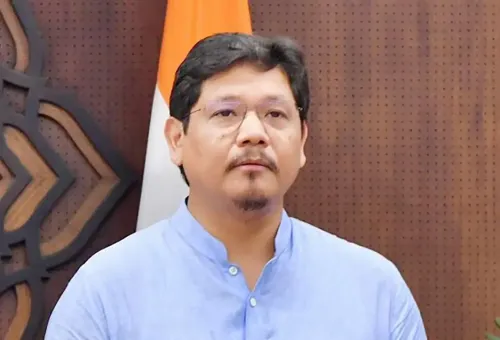
Meghalaya Chief Minister Conrad Sangma on Wednesday, 1 July 2026 disclosed discussions on establishing a dedicated fisheries cluster and building fisheries infrastructure in the state, targeting benefits for over 1,000 fish farmers through the Fisheries and Aquaculture Infrastructure Development Fund (FIDF).
Context
Sangma stated that the proposed project would be implemented in collaboration with the National Fisheries Development Board (NFDB), NABARD, and Uday Aqua, a private partner expected to provide technical support, market linkages, and capacity-building. The initiative is aimed at strengthening Meghalaya's fisheries sector and improving the livelihoods of fish farming communities across the state.
The Chief Minister shared the update publicly, tagging Union Minister Lalan Singh, NFDB, NABARD, and the state's FARD (Fisheries and Aquaculture Resources Development) Department, signalling active inter-institutional coordination at both central and state levels.
Policy Backdrop
The FIDF was established in the 2018-19 Union Budget with a corpus of Rs 7,522 crore to provide concessional long-term finance for fisheries infrastructure across Indian states. NABARD serves as one of the primary nodal lending entities channelling FIDF funds to eligible state projects.
The Pradhan Mantri Matsya Sampada Yojana (PMMSY), launched in 2020, further expanded the integrated fisheries development framework, subsuming and building on FIDF components. Northeastern states, including Meghalaya, have been identified as priority regions for targeted central assistance given their abundant inland water bodies suited to aquaculture.
Stakeholders and Impact
The primary beneficiaries of the proposed cluster would be over 1,000 fish farmers in Meghalaya, who stand to gain from dedicated infrastructure units, improved market access, and structured technical guidance. The public-private partnership model — involving a central autonomous body, a development finance institution, and a private technical agency — mirrors the standard implementation architecture used in similar inland fisheries projects across India.
NFDB, as the autonomous body under the Ministry of Fisheries, Animal Husbandry and Dairying, is expected to provide the technical framework, while NABARD would facilitate financing. Uday Aqua's role in market linkages could prove critical for ensuring that increased production translates into sustainable farmer incomes.
What's Next
The immediate next steps would involve the state submitting a formal project proposal to NFDB and NABARD for FIDF funding approval, followed by tendering for cluster infrastructure development. Integration with Meghalaya's annual PMMSY action plan is also a likely pathway for mobilising additional central resources.
If approved and implemented, the fisheries cluster could mark a significant step in Meghalaya's rural economy, transforming subsistence-level fish farming into a more organised, market-linked sector with long-term livelihood implications for farming households.
Point of View
A common pre-approval strategy in central-scheme financing. The move fits a broader pattern of Northeastern chief ministers actively leveraging FIDF and PMMSY to convert the region's aquaculture potential into structured rural employment. For the NPP government in Meghalaya, a visible fisheries infrastructure win ahead of any electoral cycle would reinforce its development credentials in rural constituencies. The key variable remains whether the project clears NFDB and NABARD's appraisal process and gets integrated into the state's PMMSY annual action plan.
NationPress
1 Oct 2026
Frequently Asked Questions
What is the FIDF and how does it help Meghalaya fish farmers?
The Fisheries and Aquaculture Infrastructure Development Fund (FIDF) is a central government scheme established in 2018-19 with a corpus of Rs 7,522 crore to provide concessional long-term finance for fisheries infrastructure. For Meghalaya, it could fund dedicated cluster units to improve production capacity and market access for over 1,000 fish farmers.
What role will NFDB and NABARD play in the Meghalaya fisheries project?
The National Fisheries Development Board (NFDB) will provide technical guidance and oversight as the autonomous central body for fisheries development, while NABARD will channel concessional financing under the FIDF framework to support the project's infrastructure components.
How many fish farmers will benefit from Conrad Sangma's fisheries cluster plan?
According to CM Conrad Sangma's post, the proposed fisheries cluster aims to benefit over 1,000 fish farmers in Meghalaya through dedicated infrastructure units and support services.
What is the Pradhan Mantri Matsya Sampada Yojana and is Meghalaya covered under it?
The Pradhan Mantri Matsya Sampada Yojana (PMMSY) is a central scheme launched in 2020 that expanded and integrated earlier fisheries development programmes including FIDF components. Northeastern states like Meghalaya are priority recipients under the scheme given their inland water resources.
What is Uday Aqua's role in the Meghalaya fisheries infrastructure project?
As mentioned by CM Conrad Sangma, Uday Aqua is expected to serve as the private technical partner, providing technical support, market linkages, and capacity-building to fish farmers as part of the proposed cluster project.