Meghalaya CM Conrad Sangma pushes CMDSF to boost grassroots development
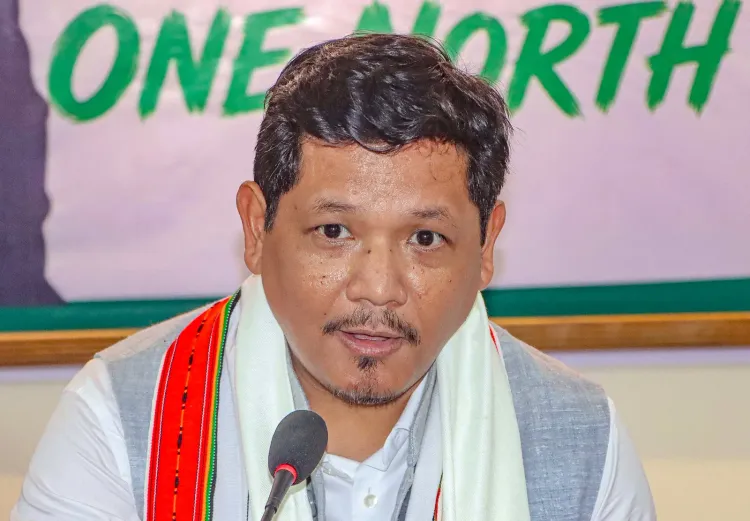
Synopsis
Meghalaya Chief Minister Conrad Sangma used a scheme-distribution event in Tura to defend the CMDSF as the state's sharpest tool for last-mile development — one that bypasses departmental red tape but is now straining under a surge in constituency-level demand it cannot fully meet.
Key Takeaways
Meghalaya CM Conrad K.
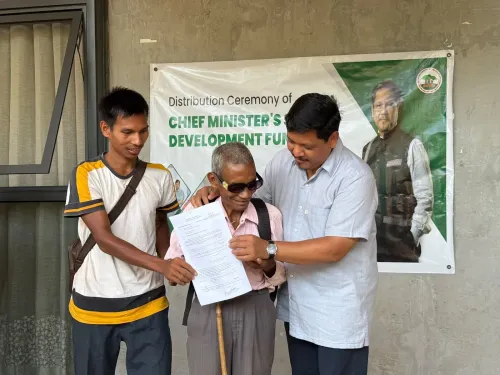
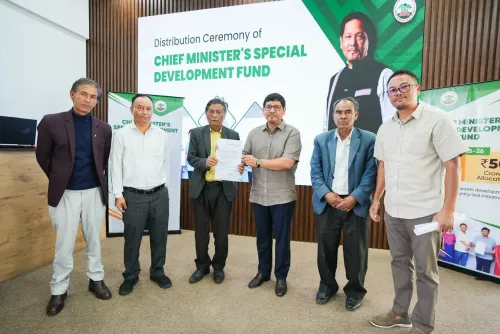
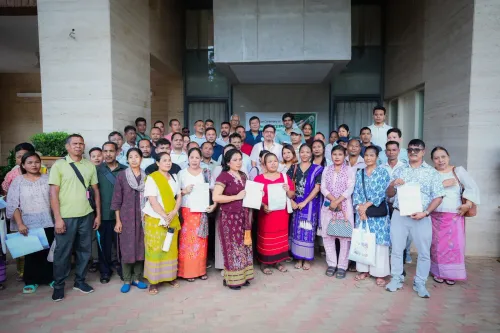
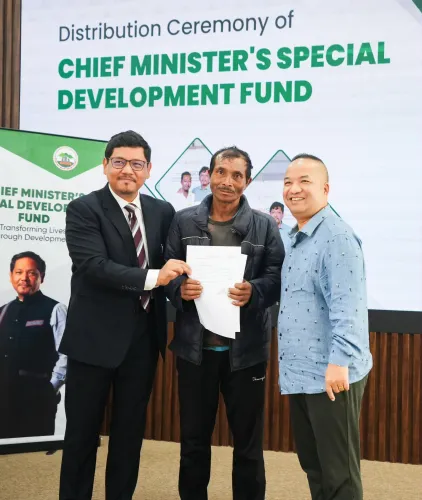
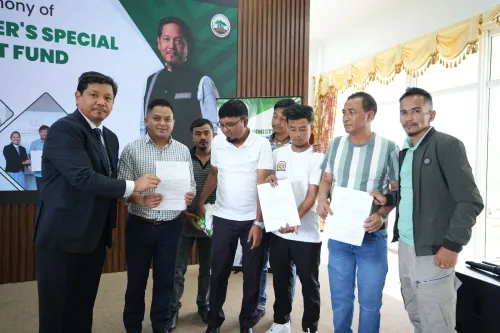
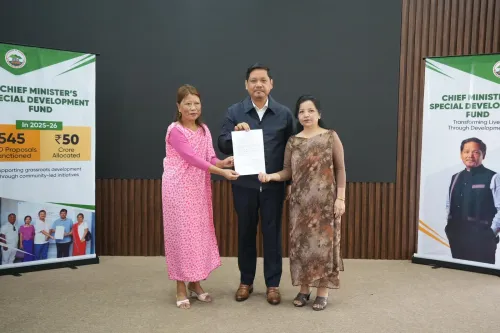
Sangma addressed a CMDSF scheme-distribution programme at his official residence in Tura on Wednesday .
The Chief Minister's Special Development Fund (CMDSF) finances small community-level projects not covered under regular departmental programmes.
The fund is financed through the Chief Minister's Secretariat budget and released after scrutiny by Deputy Commissioners .
Sangma acknowledged rising demand has caused occasional delays, but pledged equitable reach across Garo Hills , Khasi Hills , and Jaintia Hills .
The government is making information on CMDSF-sanctioned works publicly available to enhance transparency.
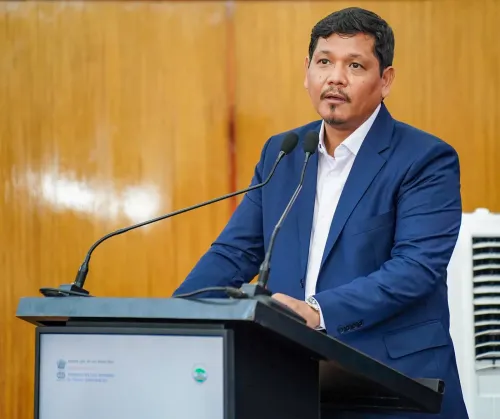
Meghalaya Chief Minister Conrad K. Sangma on Wednesday reaffirmed the state government's commitment to using the Chief Minister's Special Development Fund (CMDSF) as a targeted instrument for accelerating grassroots development, pledging equitable distribution of benefits across all regions of Meghalaya. Sangma made the remarks at a CMDSF scheme-distribution programme held at his official residence in Tura.
What the CMDSF Is Designed to Do
The CMDSF was conceived to plug gaps left by regular departmental programmes — financing small-scale, community-level projects that have a direct and immediate impact on local lives. The fund is financed through the budget of the Chief Minister's Secretariat, giving it operational flexibility that standard departmental allocations often lack.
'The CMDSF has been designed specifically to support community-level projects that have a direct and meaningful impact on people's lives,' Sangma said at the event.
Rising Demand and the Challenge of Equitable Reach
Sangma acknowledged that the scheme has attracted a large volume of requests for financial assistance, leading to occasional delays in fund allocation. He framed this surge in demand as a sign of public confidence in the programme, while conceding that meeting every request within available resources remains a challenge.
'There are expectations from every constituency. While it may not be possible to fulfil all demands immediately, the government is committed to ensuring that the benefits reach every part of Meghalaya, including Garo Hills, Khasi Hills and Jaintia Hills,' he said.
Transparency and Administrative Safeguards
The Chief Minister stressed that all CMDSF allocations follow a structured administrative process, with funds released only after scrutiny through the offices of the respective Deputy Commissioners. This mechanism, he said, is intended to ensure transparency, accountability, and fair distribution across the state.
The distribution programme also highlighted the locations and sectors where projects have been sanctioned, with the government making information on CMDSF-supported works publicly accessible — a step officials described as part of a broader push to strengthen last-mile delivery.
CMDSF's Role Alongside Departmental Schemes
Sangma noted that while multiple development initiatives are being implemented by various state government departments, the CMDSF has emerged as a responsive instrument for addressing pressing local needs that require immediate attention and cannot wait for routine departmental cycles.
Officials said the fund is particularly aimed at ensuring that smaller infrastructure and community welfare projects receive timely financial support — areas where conventional government programmes have historically been slower to respond. With demand continuing to outpace available resources, the government faces a sustained test of its commitment to geographic equity across Meghalaya's diverse hill regions.
Point of View
Secretariat-funded, routed through Deputy Commissioners — is a pragmatic workaround for Meghalaya's notoriously slow departmental pipeline, but it carries inherent risks. Discretionary funds tied to a Chief Minister's office, however well-intentioned, are structurally vulnerable to constituency-level political pressure, and Sangma's own admission that demand is outstripping resources only sharpens that tension. The transparency push — publishing sanctioned works publicly — is a meaningful safeguard, but its credibility depends on whether the data is granular, timely, and independently verifiable. Meghalaya's hill geography makes last-mile delivery genuinely hard; the CMDSF is a useful instrument, but not a substitute for fixing the departmental pipeline it is compensating for.
NationPress
28 Oct 2026
Frequently Asked Questions
What is the Chief Minister's Special Development Fund (CMDSF) in Meghalaya?
The CMDSF is a state government fund financed through the Chief Minister's Secretariat budget, designed to support small community-level projects that fall outside the scope of regular departmental programmes. It is intended to deliver fast, targeted assistance to local development needs across Meghalaya.
Why has Conrad Sangma highlighted the CMDSF at the Tura event?
Sangma addressed a CMDSF scheme-distribution programme at his official residence in Tura on Wednesday to reaffirm the government's commitment to equitable fund distribution. He also acknowledged that rising demand for assistance under the scheme has led to occasional delays in allocation.
How does the CMDSF ensure transparency and accountability?
All CMDSF allocations are processed through a structured administrative mechanism and released only after scrutiny by the offices of the respective Deputy Commissioners. The government is also making information on sanctioned works publicly available to enhance accountability.
Which regions of Meghalaya will benefit from the CMDSF?
Sangma specifically named Garo Hills, Khasi Hills, and Jaintia Hills as regions the government is committed to reaching equitably under the CMDSF, acknowledging that geographic spread remains a priority even as demand outpaces available resources.
How does the CMDSF differ from regular government development schemes?
Unlike standard departmental programmes, the CMDSF is a flexible, secretariat-funded instrument that can respond quickly to pressing local needs. It is not bound by the slower cycles of routine departmental allocation, making it better suited to immediate, small-scale community infrastructure and welfare projects.