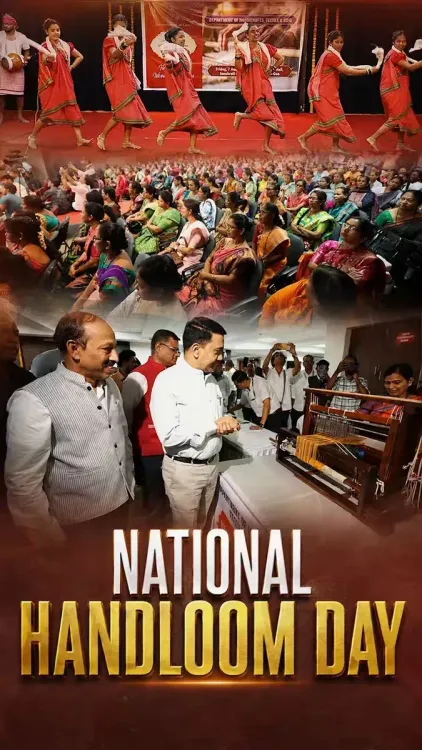
CM Sawant Honours Weavers on National Handloom Day
Synopsis
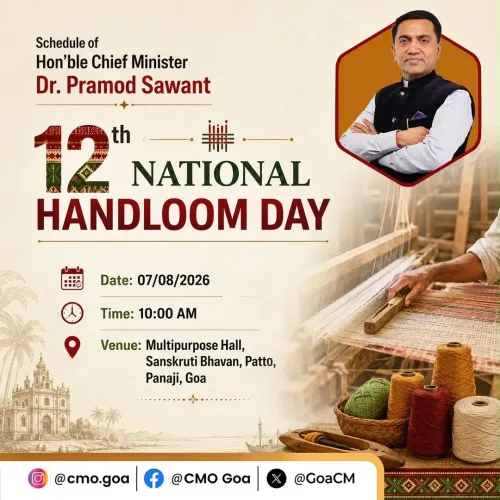
Goa Chief Minister Pramod Sawant marked National Handloom Day on 7 August 2026 by honouring weavers and pledging to preserve the Kunbi handloom tradition, linking the observance to Atmanirbhar Bharat and the state's Swayampurna Goa self-sufficiency programme.
Key Takeaways
National Handloom Day is observed on 7 August every year since 2015 , marking the 1905 Swadeshi movement anniversary.
Goa CM Pramod Sawant pledged to honour weavers and preserve the Kunbi handloom tradition on the occasion.
The Kunbi community is among Goa's oldest groups; the state has been pursuing a GI tag for the Kunbi sari.
Swayampurna Goa is the state's self-sufficiency programme integrating cultural preservation with local entrepreneurship.
Goa's handloom push aligns with the Centre's Atmanirbhar Bharat and Vocal for Local campaign launched in May 2020 .
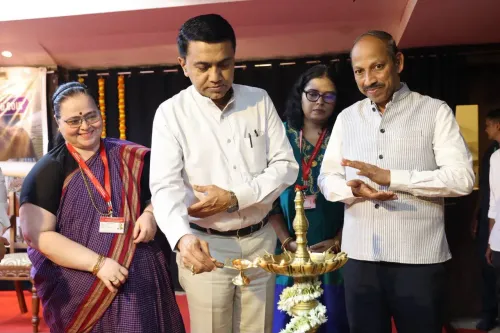
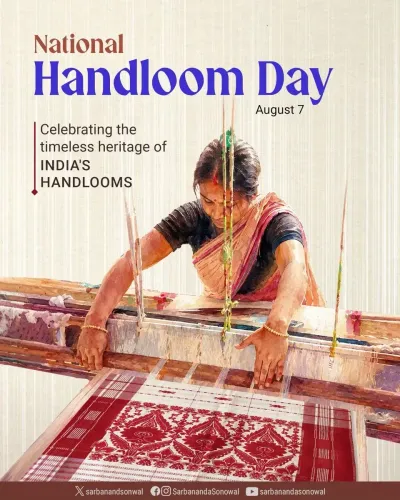
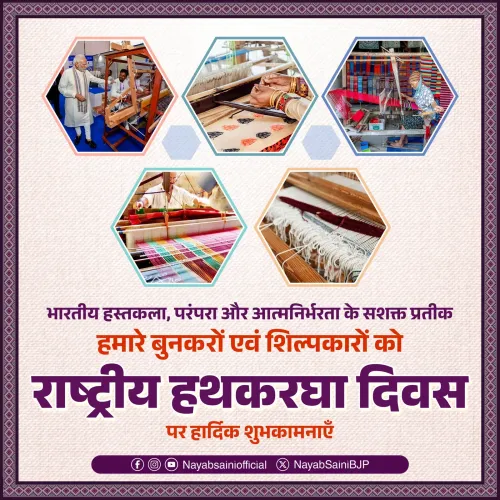
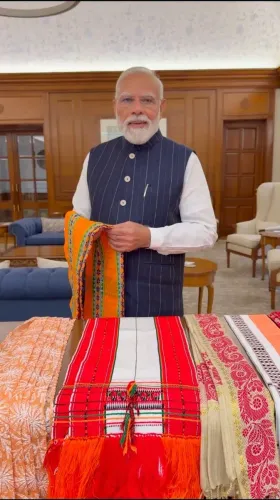
On a day that traces its roots to the 1905 Swadeshi movement, Goa Chief Minister Pramod Sawant used National Handloom Day, 7 August 2026, to spotlight the state's commitment to its weavers — and to the ancient Kunbi handloom tradition that defines Goa's textile soul.
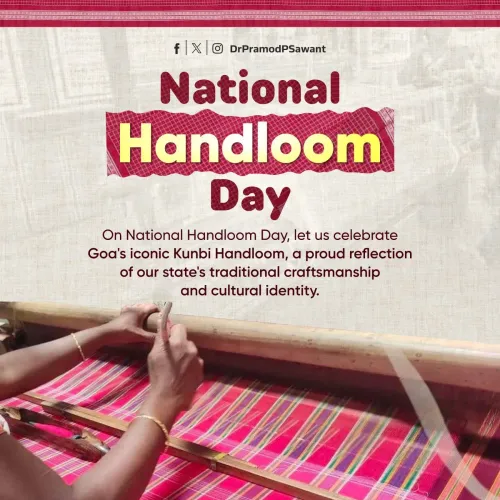
Sawant's message wove together three threads: honouring the artisans who keep the looms running, preserving the Kunbi handloom as a living cultural artefact, and amplifying the Centre's Vocal for Local call under Atmanirbhar Bharat. 'Celebrating National Handloom Day by honouring our weavers, preserving the Kunbi handloom, and strengthening the spirit of Vocal for Local through empowerment, craftsmanship, and cultural pride,' he posted on X.
What the Kunbi loom carries
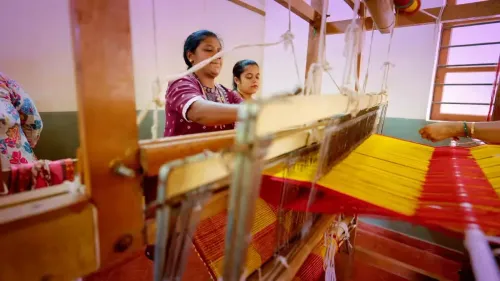
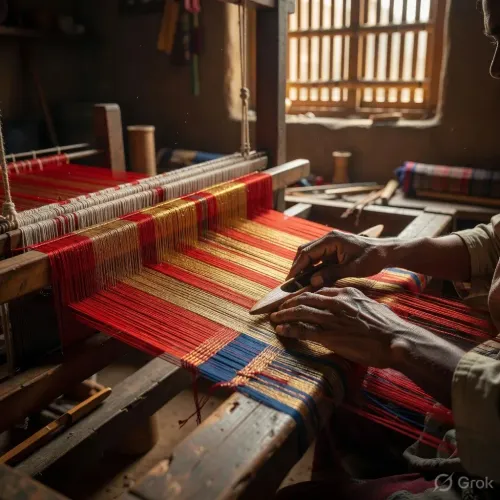
The Kunbi community is among Goa's oldest agrarian groups, and its handloom tradition — characterised by distinctive checks and earthy tones — has survived centuries of colonial interruption and post-liberation neglect. The Goa government has in recent years pushed for a Geographical Indication (GI) tag for the Kunbi sari and worked to establish artisan clusters, positioning the weave not just as heritage but as a rural livelihood engine. For the weavers themselves, that recognition is the difference between a craft that endures and one that quietly disappears.National Handloom Day and the Swadeshi thread
National Handloom Day has been observed on 7 August every year since 2015, when the Ministry of Textiles instituted it to mark the anniversary of the Swadeshi movement's launch — the moment in 1905 when India turned the act of buying local cloth into an act of political defiance. That lineage gives the day its moral weight, and it is the same lineage Sawant invokes when he pairs 'cultural pride' with Swayampurna Goa, the state's own self-sufficiency programme that integrates cultural preservation with local entrepreneurship.Goa's alignment with the Vocal for Local push
Since Atmanirbhar Bharat was announced in May 2020, states across India have raced to align local artisan schemes with the Centre's Vocal for Local messaging — and Goa is no exception. The state has positioned handloom preservation within its tourism and rural livelihood frameworks, betting that a visitor who discovers the Kunbi sari becomes an ambassador for it. Whether that bet pays off in the next budget cycle — through fresh allocations for handloom clusters or a GI tag breakthrough — is the story to watch.Point of View
He anchors a central government scheme in distinctly local soil. The GI tag push for the Kunbi sari, if it materialises, would give the state a concrete policy win to pair with the rhetoric. The real test is whether budget allocations follow the messaging.
NationPress
22 Sept 2026
Frequently Asked Questions
What is National Handloom Day and why is it celebrated on 7 August?
National Handloom Day is observed on 7 August every year since 2015 to honour India's weavers and commemorate the launch of the Swadeshi movement on that date in 1905 , when Indians pledged to buy locally made goods including handloom cloth.
What is the Kunbi handloom tradition in Goa?
The Kunbi handloom is a traditional weave associated with the Kunbi community , one of Goa's oldest agrarian groups. Known for distinctive checks and earthy tones, the Kunbi sari has been the focus of Goa government efforts to secure a Geographical Indication (GI) tag and establish artisan clusters.
What is Swayampurna Goa?
Swayampurna Goa is a Goa state programme for self-sufficiency that integrates cultural preservation with local entrepreneurship and rural livelihood initiatives, aligned with the Centre's Atmanirbhar Bharat framework.
What is the Vocal for Local campaign?
Vocal for Local is a call under the Atmanirbhar Bharat (self-reliant India) campaign launched in May 2020 by the central government, encouraging Indians to buy and promote locally made products including handicrafts and handloom textiles.
What has Goa done to support its handloom weavers?
The Goa government has pursued a GI tag for the Kunbi sari, worked to set up artisan clusters, and positioned handloom preservation within its tourism and rural livelihood frameworks under the Swayampurna Goa programme.