CM Saini Backs Modi's National Handloom Day Call
Synopsis
Haryana CM Nayab Singh Saini amplified PM Modi's National Handloom Day call on 6 August 2026, urging Indians to adopt handloom products and share creative GRWM videos online under the Vocal for Local and Atmanirbhar Bharat banners.
Key Takeaways
Haryana CM Nayab Singh Saini posted on 6 August 2026 backing PM Modi's National Handloom Day appeal.
National Handloom Day falls on 7 August , marking the anniversary of the 1905 Swadeshi Movement.
The day was officially instituted by the Government of India in 2015 .
Saini explicitly called for GRWM-format social-media videos featuring handloom outfits to build a jan andolan .
The appeal is framed within the Vocal for Local and Atmanirbhar Bharat Abhiyan campaigns, both central to government messaging since 2020.
The post positions consumer adoption of handloom as a tool for the economic empowerment of weaver communities .
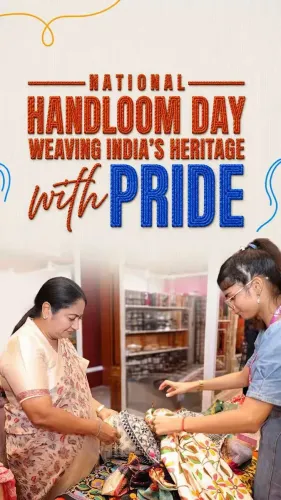
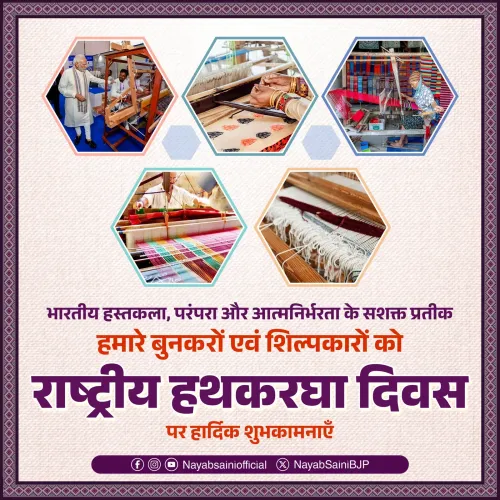
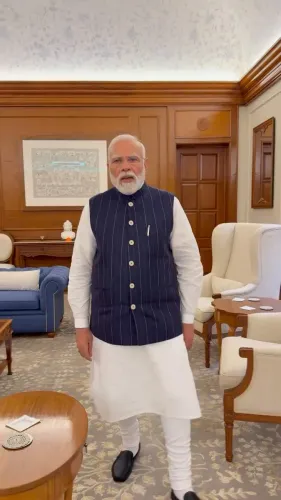
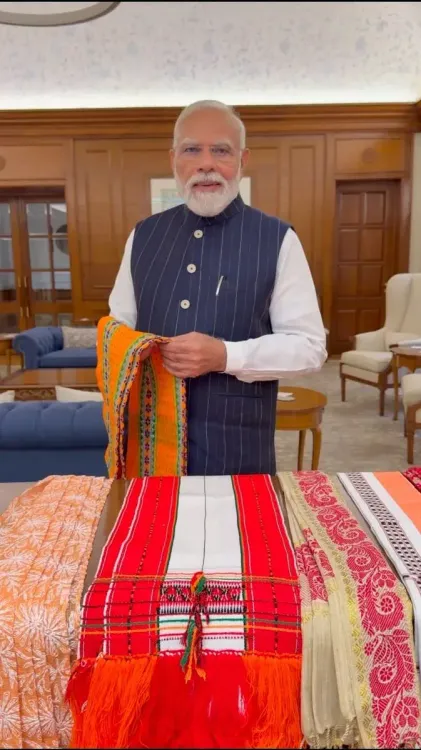
On the eve of National Handloom Day, 7 August, Haryana Chief Minister Nayab Singh Saini amplified Prime Minister Narendra Modi's appeal to make the occasion a genuine people's movement — urging citizens to adopt handloom products and flood social media with creative videos, including 'Get Ready With Me' reels featuring their favourite handloom outfits.
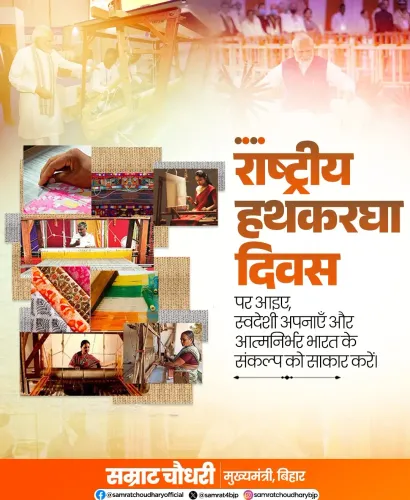
Posting in Hindi on 6 August 2026, Saini framed the PM's call as a natural extension of two signature campaigns: 'Vocal for Local' (buy Indian) and 'Atmanirbhar Bharat' (self-reliant India). The message was direct — wearing handloom is not just a lifestyle choice, it is an act of economic solidarity with the country's weaver communities.
A Day Rooted in the Swadeshi Movement
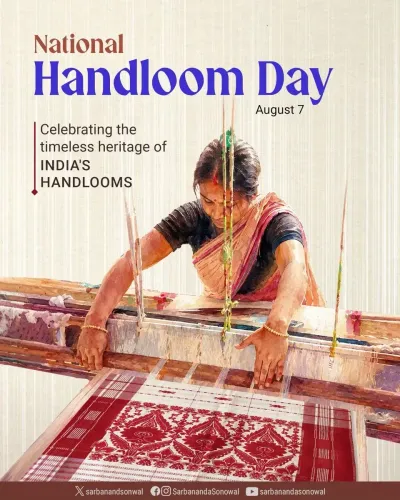
National Handloom Day was instituted by the Government of India in 2015 to mark the anniversary of the Swadeshi Movement of 7 August 1905 — the mass boycott of British goods that turned indigenous cloth into a symbol of resistance. The choice of date is deliberate: it connects contemporary 'buy local' messaging to one of India's most powerful acts of collective economic defiance.
Since 2020, the Atmanirbhar Bharat Abhiyan has repeatedly anchored handloom promotion within a broader self-reliance framework, positioning traditional textiles not as nostalgia but as living economic infrastructure for rural artisans and weavers.
Weavers, Viral Videos, and a Jan Andolan
Saini's post did something the standard ministerial appeal usually skips — it gave citizens a specific action. He called for creative social-media participation, explicitly naming the GRWM (Get Ready With Me) video format, a genre native to younger platforms. The ask: dress in handloom, film it, share it, and give this 'jan andolan' (people's movement) fresh momentum.
The appeal honours what Saini called the 'hard work, skill, and rich Indian heritage' of weaver brothers and sisters — and frames consumer choice as a direct instrument of their economic empowerment. The pattern is familiar across central government communications since 2014: cultural-heritage events recast as economic-nationalist moments, from GI-tag drives to National Handicrafts Day.
Whether the hashtags #NationalHandloomDay and #VocalForLocal translate into measurable uplift for weavers — in procurement, pricing, or market access — is the question that outlasts the campaign cycle.
Point of View
Keeping the Vocal for Local frame alive between policy announcements. The GRWM ask is notable — it targets a younger, platform-native audience that standard ministerial appeals rarely reach directly. Whether state governments like Haryana follow up with procurement or marketing commitments will determine if this stays a social-media moment or becomes a structural push for weavers. The Swadeshi Movement anchor gives the campaign historical legitimacy that purely economic framing cannot manufacture.
NationPress
21 Sept 2026
Frequently Asked Questions
When is National Handloom Day celebrated in India?
National Handloom Day is observed every year on 7 August , the anniversary of the Swadeshi Movement launched on that date in 1905. The Government of India officially instituted the day in 2015.
What is Vocal for Local?
Vocal for Local is a public campaign promoted by the Government of India encouraging citizens to buy Indian-made goods in order to support local artisans, industries, and the broader self-reliance agenda.
What did CM Nayab Singh Saini say about National Handloom Day?
On 6 August 2026 , Saini backed PM Modi's appeal to make National Handloom Day a people's movement, urging citizens to adopt handloom products and share creative GRWM videos on social media under the #NationalHandloomDay and #VocalForLocal hashtags.
What is Atmanirbhar Bharat and how does it relate to handloom?
Atmanirbhar Bharat Abhiyan , launched in 2020, is a self-reliance campaign promoting domestic production. Since its launch, handloom promotion has been repeatedly linked to the scheme as part of supporting rural artisans and reducing import dependence.
Why is 7 August chosen for National Handloom Day?
7 August 1905 marks the launch of the Swadeshi Movement, a mass boycott of British goods that made indigenous cloth a symbol of national resistance. The Government of India chose this date in 2015 to connect modern handloom promotion to that historical legacy.