CM Sukhu Urges Students to Report Chitta Drug Activity to 112
Synopsis
Chief Minister Sukhvinder Singh Sukhu, prompted by a Class 12 student's question, urged Himachal youth to report chitta drug activity to 112 with guaranteed anonymity and rewards, citing a Noorpur building demolition as proof of swift action against traffickers.
Key Takeaways
CM Sukhu urged students to report chitta-related activity to the 112 helpline , extending the call to neighbours and local communities.
Informers will have their identity kept confidential and will receive a financial reward .
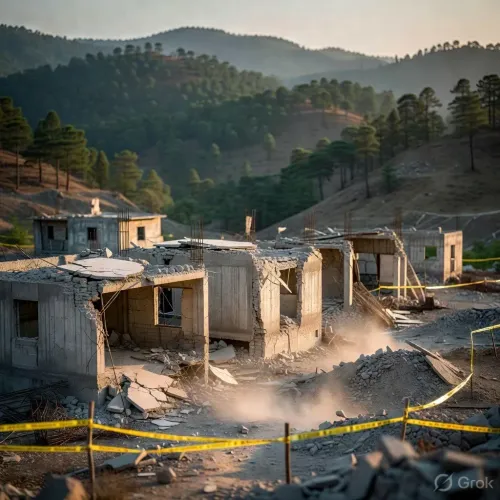
Police demolished a drug smuggler's building in Noorpur, Kangra district the day before the CM's address.
Sukhu outlined a dual-track approach: rehabilitation for addicts and strict punishment for traders .
The initiative builds on the national Nasha Mukt Bharat Abhiyan framework launched in 2020.
The engagement of Class 12 students as community informants reflects a community-policing strategy to widen the state's intelligence network.
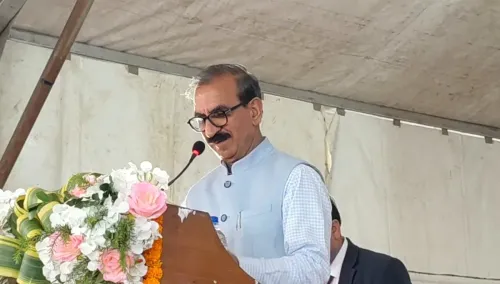
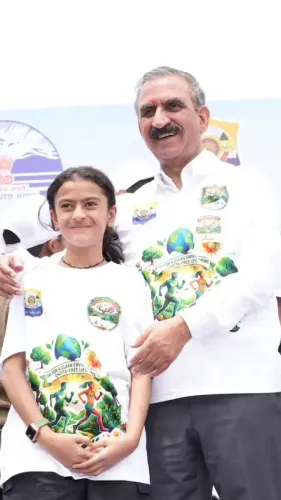
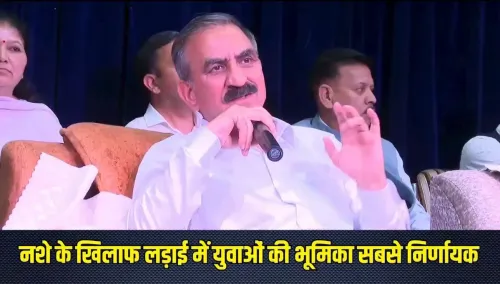
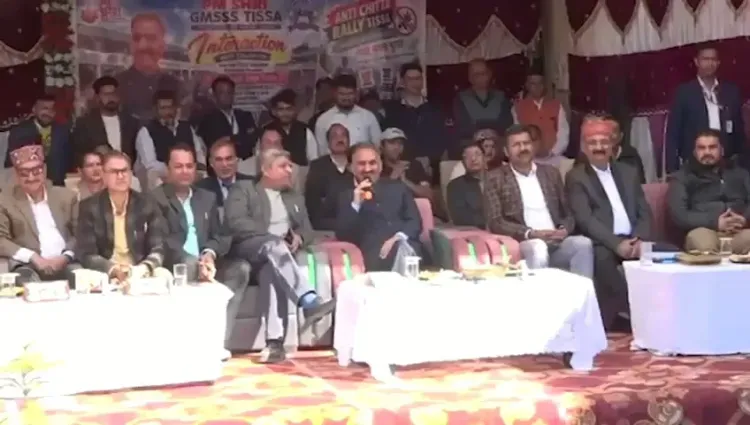
A Class 12 student's question about chitta — the deadly synthetic opioid devastating Himachal Pradesh's youth — stopped Himachal Pradesh Chief Minister Sukhvinder Singh Sukhu in his tracks on Thursday, November 5, 2026, and his answer carried the weight of a state policy directive. The Chief Minister used the moment to issue a direct, public call to action: report drug activity, stay anonymous, and collect a reward.
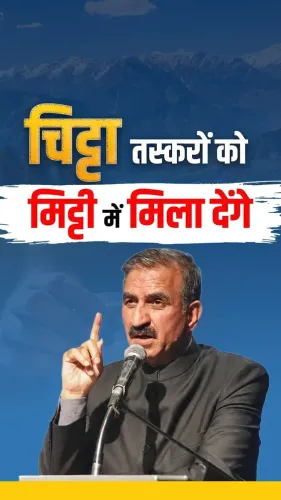
Addressing the students, CM Sukhu said, 'चिट्टे से जुड़ी किसी भी गतिविधि की सूचना 112 नंबर पर पुलिस को दें' ('Report any activity related to chitta to the police on number 112') — extending the appeal to neighbours and local communities as well. Anyone aware of the drug trade operating nearby, he urged, must inform police regardless of who is involved.
A Demolition in Noorpur — and the Message It Sends
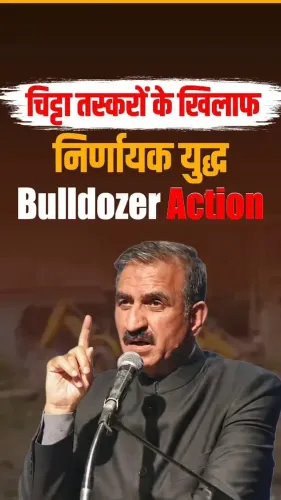
The Chief Minister pointed to swift enforcement action to back his words: a building belonging to a drug smuggler was demolished by police in Noorpur, Kangra district, just the previous day. Noorpur lies in one of Himachal Pradesh's most trafficked narcotics corridors, and the demolition is a signal that property consequences now follow trafficking convictions. The Congress government has increasingly leaned on high-visibility enforcement actions to demonstrate political will on the drug crisis.
Sukhu was emphatic that students need not fear retaliation. 'The name of the informer will be kept confidential and they will also receive a reward,' he assured — a two-pronged incentive designed to dismantle the silence that protects trafficking networks in tight-knit hill communities.
Chitta's Grip on Himachal — and Why Schools Are Ground Zero
Chitta, a street name for heroin or synthetic opioids that has become synonymous with addiction crises across the state, has penetrated school catchment areas in multiple Himachal districts. Himachal Pradesh's geography — mountain passes, porous inter-state routes, sparse policing density — makes it structurally vulnerable to narcotics transit. State governments across party lines have periodically intensified drives, but the current administration's move to engage students directly reflects a recognition that community vigilance fills gaps that police manpower cannot.
The national Nasha Mukt Bharat Abhiyan, launched by the central government in 2020, provides the broader framework for awareness, counselling, and youth mobilisation against drugs. Sukhu's school-level engagement sits within that architecture — but the state's direct linkage of rehabilitation for addicts alongside strict punishment for traders marks a dual-track approach that the CM articulated clearly: 'The rehabilitation of drug-addicted people will happen, and those involved in the chitta trade will receive harsh punishment.'
Turning School Hallways Into Intelligence Networks
What makes this moment notable is the audience. Asking Class 12 students to become active informants — with guaranteed anonymity and financial rewards — is a deliberate community-policing strategy. Young people often know first: a neighbour's unexplained income, a suspicious new contact, a classmate's sudden change in behaviour. By framing the 112 emergency helpline not just as a crisis line but as a drug-tip channel, the state is widening its intelligence perimeter without additional police deployment.
The question now is whether the machinery that receives those tips — the follow-up operations, the de-addiction centre capacity, the actual reward disbursements — will match the energy of the appeal. In Kangra, at least, the rubble in Noorpur suggests enforcement is moving.
Point of View
Rewards), the Congress government is trying to close the information gap that hill terrain and social reticence typically create for law enforcement. The optics of a Chief Minister taking a student's question seriously and translating it into a live policy directive also serve a political purpose: projecting seriousness on an issue that consistently ranks as a top voter concern in Himachal Pradesh. Whether the institutional backend — de-addiction centre capacity, actual reward payouts, follow-up police operations — can sustain the momentum this public push promises will define whether the drive outlasts the news cycle.
NationPress
5 Nov 2026
Frequently Asked Questions
What is chitta and why is it a problem in Himachal Pradesh?
Chitta is a street name for heroin or synthetic opioids widely trafficked in Himachal Pradesh. The state's mountain passes and inter-state routes make it vulnerable to narcotics transit, and the drug has increasingly penetrated school communities across multiple districts.
What number should Himachal Pradesh residents call to report drug activity?
CM Sukhu has urged residents to call 112 , the national emergency helpline, to report any chitta-related activity to police. Informers' names will be kept confidential and they will receive a reward.
What happened in Noorpur related to drugs?
Police demolished a building belonging to an alleged drug smuggler in Noorpur, Kangra district , the day before CM Sukhu's address to students. The demolition was cited by the CM as evidence of swift state action against traffickers.
What is the Nasha Mukt Bharat Abhiyan?
Nasha Mukt Bharat Abhiyan is a national programme launched by the central government in 2020 to raise awareness, counsel addicts, and mobilise youth in drug prevention. Himachal Pradesh's school engagement and CM Sukhu's appeal operate within this broader framework.
Will informers who report drug activity in Himachal Pradesh face danger?
CM Sukhu assured students that there is no need to fear, stating that the identity of anyone who provides information will be kept strictly confidential and that informers will also receive a financial reward from the state.