CM Sukhu Leads Shimla Anti-Chitta Drive, Vows Himachal Free of Drugs

Synopsis
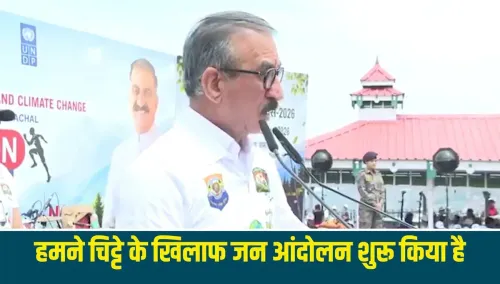
Himachal Pradesh CM Sukhvinder Singh Sukhu on June 5, 2026, hailed a mass public rally in Shimla where thousands pledged to rid the state of chitta. He called the anti-narcotics fight a matter of collective social conscience, not just law enforcement, and thanked all participants in the campaign.
Key Takeaways
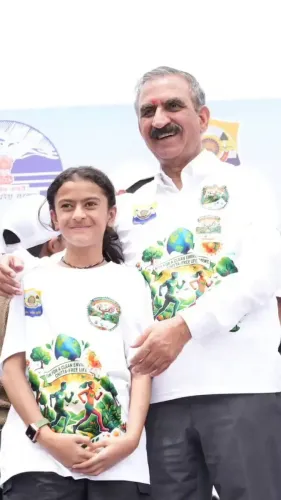
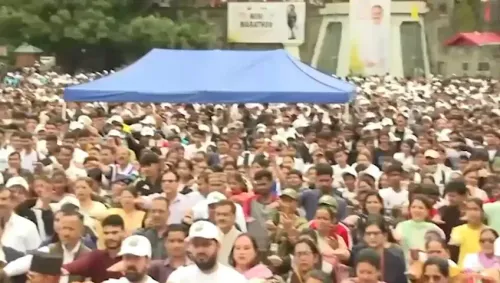
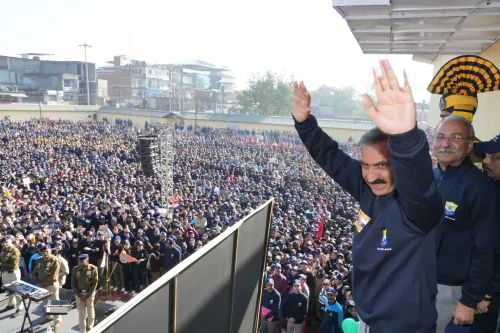
Thousands of youth, mothers, sisters, and children marched through Shimla on June 5, 2026 in an anti-chitta rally.
CM Sukhvinder Singh Sukhu described the mobilisation as a collective public pledge to make Himachal Pradesh chitta-free.
The Chief Minister framed the struggle as one of public consciousness, not just law enforcement.
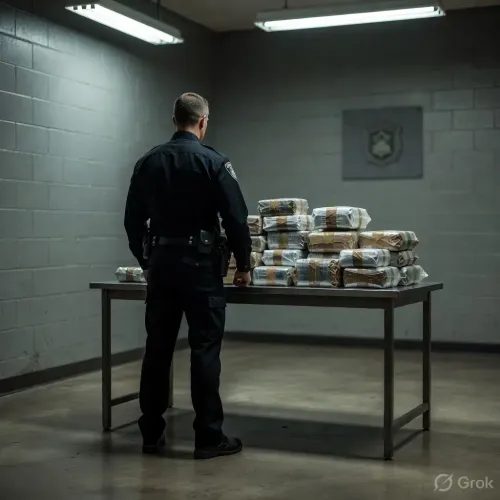
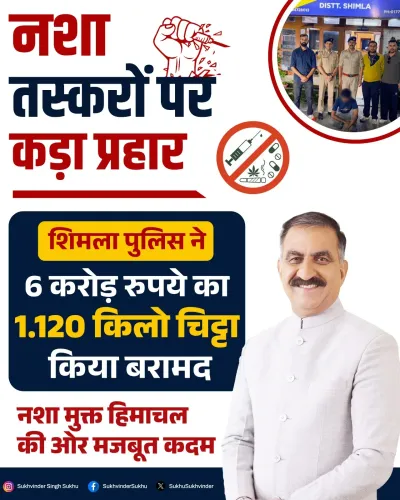
Chitta — heroin and synthetic opioids — has been a persistent public health crisis across Himachal Pradesh and neighbouring Punjab .
The state government has been conducting anti-narcotics drives under the NDPS Act, 1985 alongside de-addiction and awareness programmes since taking office in December 2022 .
Possible next steps include expansion of rehabilitation facilities or legislative amendments in the upcoming assembly session.
Himachal Pradesh Chief Minister Sukhvinder Singh Sukhu on Friday, June 5, 2026, declared that thousands of citizens — youth, mothers, sisters, and children — had taken to the streets of Shimla in a mass mobilisation pledging to make Himachal Pradesh free of chitta, the locally used term for heroin and synthetic drugs.
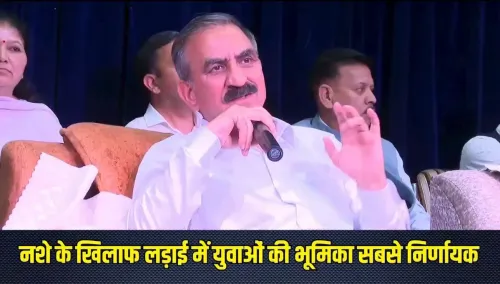
Posting on X, CM Sukhu wrote: 'शिमला की सड़कों पर आज जनसैलाब उमड़ पड़ा' ['Today, a flood of people poured onto the streets of Shimla'], adding that the struggle against the deadly narcotic was not merely a matter of law but of public consciousness — and that freeing Himachal from chitta was a collective responsibility.
Context
Chitta — a colloquial name for heroin and, increasingly, synthetic opioids — has become one of the most visible public health crises across northern India, with Himachal Pradesh and neighbouring Punjab bearing a disproportionate burden. The drug has permeated hill towns, tourist corridors, and border areas, drawing repeated alarm from families, health workers, and law enforcement alike.
The June 5 rally in Shimla marks one of the more prominent street-level demonstrations under the current state government's anti-narcotics push, bringing together ordinary citizens alongside the administration's enforcement apparatus.
Policy Backdrop
Successive governments in Himachal Pradesh have invoked the Narcotic Drugs and Psychotropic Substances (NDPS) Act, 1985 to prosecute drug offences, while also investing in de-addiction centres and community awareness programmes. The approach has typically combined intensified policing with periodic destruction of illicit cannabis cultivation in the state's interior districts.
The Indian National Congress government led by CM Sukhu, which took office in December 2022, has framed anti-narcotics work as a governance priority. Public rallies and mass pledge ceremonies are a well-established mobilisation tactic, designed to complement enforcement with sustained social pressure and community ownership of the problem.
Stakeholders and Impact
The groups most directly affected — and most visibly present at the Shimla march — are youth and families, the constituencies that bear the human cost of addiction. Mothers and sisters participating in the rally signals a broadening of the campaign beyond conventional law-enforcement audiences toward a social-movement framing.
Local health workers, de-addiction counsellors, and police are the operational stakeholders who translate political momentum into on-the-ground outcomes. Civil society organisations working on rehabilitation in the Himalayan region also stand to gain greater visibility and, potentially, state support through such campaigns.
What's Next
CM Sukhu thanked all participants in the campaign and indicated the government's commitment to sustained action. Observers will watch whether the Himachal Pradesh government follows the rally with concrete policy steps — including the possible expansion of rehabilitation infrastructure or amendments to state excise and narcotics rules in the next assembly session. The broader test will be whether the energy of a single mass mobilisation translates into measurable, long-term reduction in drug availability and addiction rates across the state.
Point of View
Sisters, and youth as protagonists, the Congress government is attempting to build durable community ownership of the drug problem — a strategy that has historically outlasted single-term enforcement surges. The optics also serve a political purpose: in a state where drug abuse has fuelled opposition attacks on successive governments, visible public solidarity strengthens the ruling party's narrative of responsive governance. Whether the momentum converts into structural outcomes — more rehabilitation beds, faster prosecutions, reduced supply — will determine the campaign's lasting credibility.
NationPress
25 Sept 2026
Frequently Asked Questions
What is chitta and why is it a problem in Himachal Pradesh?
Chitta is a local term for heroin and synthetic opioids that has become one of the most serious drug abuse crises in northern India, particularly in Himachal Pradesh and Punjab, affecting youth and families in hill towns, border areas, and tourist corridors.
What did CM Sukhu say about the Shimla anti-drug rally?
CM Sukhvinder Singh Sukhu said thousands of youth, mothers, sisters, and children marched in Shimla pledging to make Himachal Pradesh chitta-free, and described the fight against the drug as a matter of collective public responsibility, not just law enforcement.
What laws does Himachal Pradesh use to tackle drug trafficking?
Himachal Pradesh prosecutes drug offences primarily under the Narcotic Drugs and Psychotropic Substances (NDPS) Act, 1985, alongside state-level enforcement initiatives, de-addiction centres, and community awareness campaigns.
When did Sukhvinder Singh Sukhu become Chief Minister of Himachal Pradesh?
Sukhvinder Singh Sukhu took office as Chief Minister of Himachal Pradesh in December 2022 after the Indian National Congress won the state assembly elections.
What could follow the Shimla anti-chitta rally in terms of policy?
Observers expect the Himachal Pradesh government may announce expansion of rehabilitation facilities or introduce amendments to state excise and narcotics rules in the next assembly session as follow-up measures to the public mobilisation.