CM Sukhu vows to make Himachal Pradesh chitta-free
Synopsis
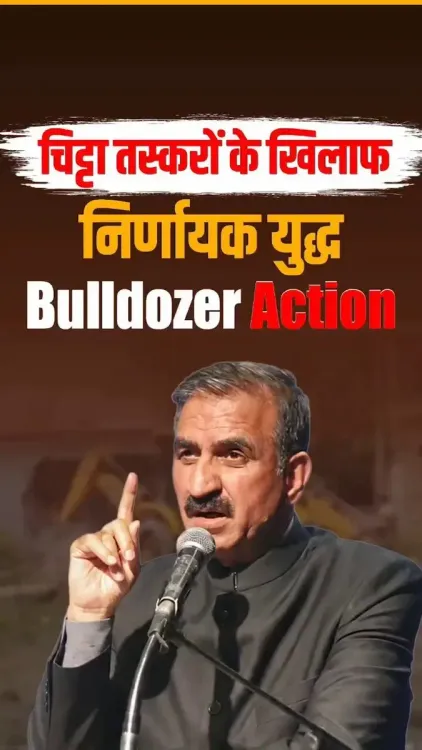
Himachal Pradesh Chief Minister Sukhvinder Singh Sukhu on 22 May 2026 declared a zero-tolerance policy against chitta traffickers, announcing accelerated demolition of illegally acquired properties and pledging to make Himachal Pradesh a completely drug-free state to protect the future of its youth.
Key Takeaways
CM Sukhvinder Singh Sukhu declared on 22 May 2026 that the state government's policy against chitta traffickers is 'absolutely clear' and uncompromising.
Authorities are actively identifying properties illegally acquired through the drug trade and demolishing them under existing rules; the process will be accelerated.
The crackdown draws legal authority from the Narcotic Drugs and Psychotropic Substances (NDPS) Act, 1985 , which allows seizure and forfeiture of narcotics-linked assets.
Himachal Pradesh shares a border with Punjab and has seen a documented rise in synthetic-drug availability, particularly affecting youth in border communities.
The Chief Minister pledged to make Himachal Pradesh a completely chitta-free state and secure a safe, healthy future for coming generations.
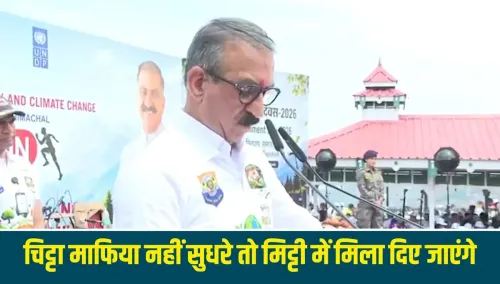
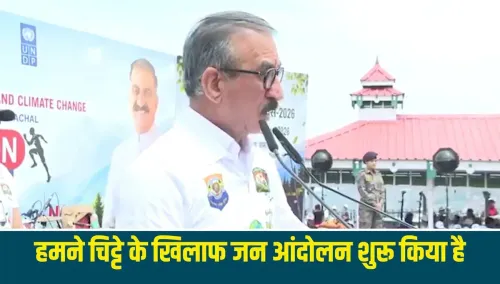
Himachal Pradesh Chief Minister Sukhvinder Singh Sukhu on Friday, 22 May 2026, declared an uncompromising crackdown on chitta traffickers, stating that the state government would erase the names, identities, and traces of drug gangs permanently and would not spare anyone pushing the youth into the darkness of addiction.
Posting in Hindi on X, CM Sukhu said: 'चिट्टा तस्करों के विरुद्ध राज्य सरकार की नीति बिल्कुल स्पष्ट है' ('The state government's policy against chitta traffickers is absolutely clear'). He added that properties illegally acquired through the drug trade are being identified and demolished as per the rules, and this process will be accelerated further.
Context
Chitta — a colloquial term for heroin or synthetic white-powder drugs — has emerged as one of the most serious narcotics threats across Himachal Pradesh, particularly among young people in urban and semi-urban pockets. The state shares a border with Punjab, a region that has long grappled with drug transit routes, and enforcement agencies have documented a rise in synthetic-drug availability over the past decade.
CM Sukhu, who leads the Indian National Congress government elected in 2022, has previously flagged the chitta menace as a priority law-and-order and public-health concern. Friday's post represents his most direct public articulation of a zero-tolerance enforcement posture tied to property demolition.
Policy Backdrop
The legal scaffolding for the state's action rests on the Narcotic Drugs and Psychotropic Substances (NDPS) Act, 1985, which empowers authorities to seize and forfeit assets linked to narcotics offences. State governments can also invoke administrative powers to demolish structures built on proceeds of crime, subject to judicial oversight.
Several northern Indian states, including Punjab and Haryana, have pursued parallel drives combining criminal prosecutions with attachment and demolition of drug-linked assets. Himachal Pradesh's current approach mirrors this regional enforcement pattern, signalling a broader consensus among hill and plains states on using property penalties as a deterrent.
Stakeholders and Impact
The primary beneficiaries of the drive are Himachal Pradesh's youth and border communities, who face the highest exposure to synthetic-drug supply chains. Families of addicts, school and college administrators, and local panchayats in drug-affected districts stand to gain from a sustained crackdown.
For those accused of trafficking, the state's stated intent to demolish illegally acquired properties represents a significant escalation beyond criminal prosecution. CM Sukhu underlined this resolve, saying those 'pushing the youth's future into the darkness of addiction will not be spared under any circumstances.'
What's Next
The Chief Minister has signalled that demolition proceedings — currently under way — will be expedited. Observers will watch for quarterly crime statistics from the Himachal Pradesh state police narcotics cell and the progress of pending property-attachment cases in state courts.
Sukhu's post closes with a pledge: 'हमारा संकल्प है कि हिमाचल प्रदेश को पूर्णतः चिट्टा-मुक्त राज्य बनाया जाए' — 'Our resolve is to make Himachal Pradesh a completely chitta-free state and to ensure a safe, healthy, and empowered future for coming generations.' How swiftly the administration converts that pledge into measurable enforcement outcomes will define the political and policy legacy of this drive.
Point of View
Sukhu is deploying a governance tool that carries high political visibility and relatively low legislative friction. The zero-tolerance framing also serves a domestic political purpose: insulating the Congress administration from opposition charges of being soft on crime ahead of future electoral cycles. Whether the drive produces durable enforcement outcomes or remains a rhetorical posture will depend on the pace and judicial robustness of the pending demolition proceedings.
NationPress
9 Oct 2026
Frequently Asked Questions
What is chitta and why is it a problem in Himachal Pradesh?
Chitta is a local term for heroin or synthetic white-powder drugs that has become prevalent across Himachal Pradesh, especially among youth. The state's proximity to Punjab's drug transit routes has contributed to rising addiction rates documented by state health and police departments over the past decade.
What action is the Himachal Pradesh government taking against drug traffickers?
The state government is identifying properties illegally acquired through the chitta trade and demolishing them under the NDPS Act, 1985. CM Sukhu has announced this process will be accelerated, alongside criminal prosecutions of traffickers and gang members.
What law allows Himachal Pradesh to demolish drug-linked properties?
The Narcotic Drugs and Psychotropic Substances (NDPS) Act, 1985 provides the nationwide legal framework empowering authorities to seize, attach, and forfeit assets linked to narcotics offences, which state governments can act upon subject to court oversight.
Has CM Sukhu made this kind of announcement before?
CM Sukhvinder Singh Sukhu, who has led the Congress government in Himachal Pradesh since 2022, has previously identified the chitta menace as a priority concern. His 22 May 2026 post is his most direct public statement linking zero-tolerance enforcement to property demolition.
Which other states have similar anti-drug property demolition drives?
Punjab and Haryana have pursued parallel drives combining criminal prosecutions with attachment and demolition of assets acquired through narcotics trade, establishing a regional enforcement pattern that Himachal Pradesh's current policy mirrors.