HP CM Sukhu Administers Chitta-Free Oath to New Panchayat Chiefs
Synopsis
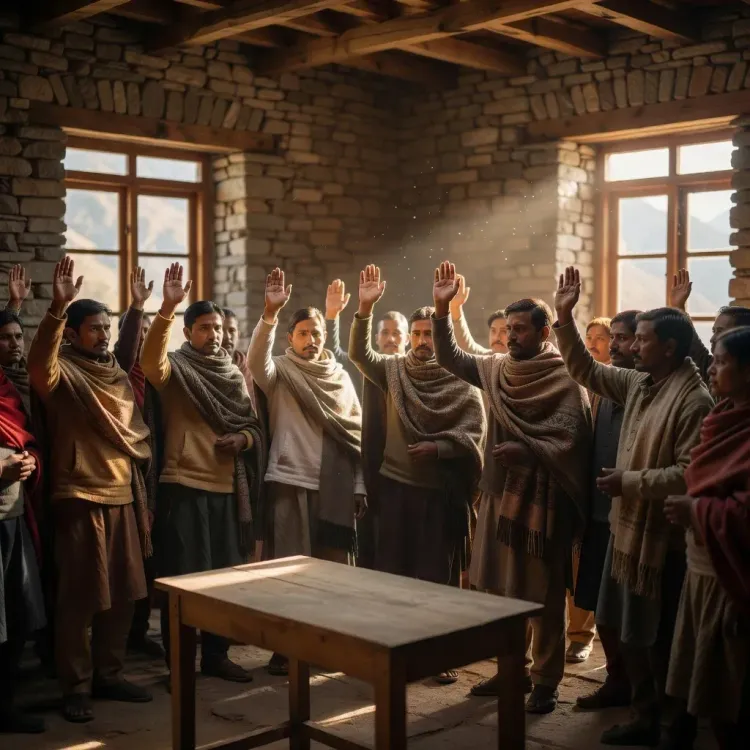
Chief Minister Sukhvinder Singh Sukhu's office announced that newly elected panchayat pradhans and up-pradhans in Himachal Pradesh have been administered the 'Chitta-Mukt Himachal' oath, enlisting grassroots leaders in the state's campaign to eradicate synthetic drug abuse.
Key Takeaways
CM Thakur Sukhvinder Singh Sukhu announced the 'Chitta-Mukt Himachal' oath drive on 15 June 2026 via the official Chief Minister's Office handle.
Newly elected panchayat pradhans and up-pradhans across Himachal Pradesh have been formally pledged to the anti-chitta campaign. 'Chitta' refers to heroin and synthetic drug mixtures that have severely impacted Himachal Pradesh's youth population.
The state campaign is aligned with the Nasha Mukt Bharat Abhiyan , the central government's drug-demand-reduction initiative launched in 2020 .
The approach mirrors anti-drug panchayat engagement models used in neighbouring Punjab and Haryana .
Follow-up district-level reviews and potential de-addiction centre funding in the next assembly session are key indicators to watch.
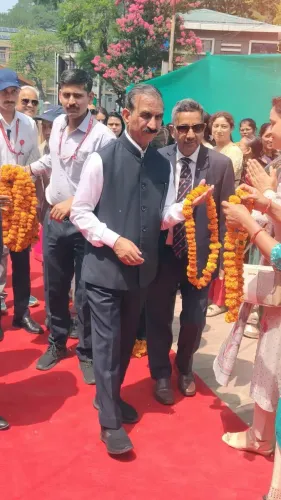
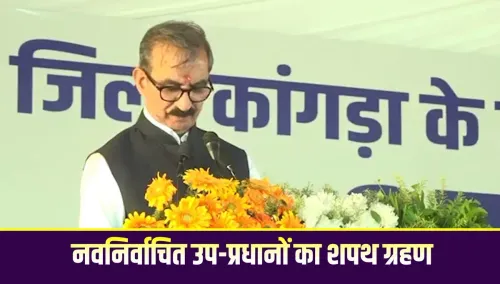
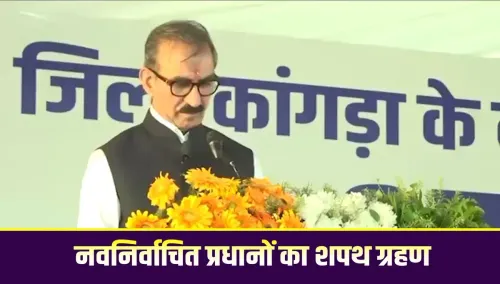
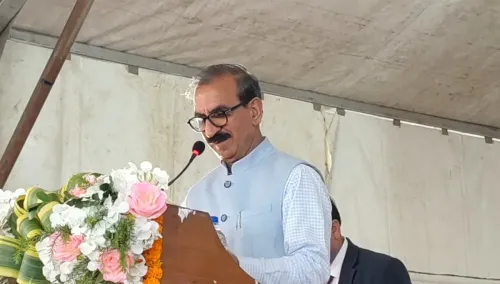
The Chief Minister's Office of Himachal Pradesh, on behalf of Chief Minister Thakur Sukhvinder Singh Sukhu, announced on Monday, 15 June 2026, that newly elected panchayat pradhans and up-pradhans across the state have been administered an oath under the 'Chitta-Mukt Himachal' (Chitta-Free Himachal) campaign, pledging to combat the menace of synthetic drug abuse in their communities.
Context
The post, shared by the official handle of the Chief Minister's Office, quoted CM Sukhu directly: 'नव-निर्वाचित प्रधानों एवं उप-प्रधानों को भी इस मुहिम से जोड़ते हुए उन्हें चिट्टा-मुक्त हिमाचल की शपथ दिलाई' ('Newly elected pradhans and up-pradhans have been connected to this campaign and administered the oath of a Chitta-Free Himachal'). The statement also affirmed: 'We are all collectively and firmly resolved to make Himachal Pradesh free of chitta.'
'Chitta' is a colloquial term in Himachal Pradesh and neighbouring hill states for heroin and synthetic drug mixtures that have fuelled a public-health crisis, particularly among youth in rural and semi-urban pockets. The move to enlist freshly elected local-body representatives signals an intent to embed anti-drug accountability at the grassroots tier of governance.
Policy Backdrop
The state campaign draws on the architecture of the Nasha Mukt Bharat Abhiyan, the central government initiative launched in 2020 by the Ministry of Social Justice and Empowerment to reduce drug demand through community awareness and local action. Himachal Pradesh has aligned its own outreach with this national framework, using government machinery to amplify messaging in districts where synthetic drug use has been a persistent concern.
Indian states have progressively enlisted newly elected panchayat representatives in social campaigns to extend the reach of anti-drug messaging beyond the formal state apparatus. Himachal Pradesh's approach mirrors similar drives undertaken in neighbouring Punjab and Haryana, which have also targeted synthetic and pharmaceutical drug abuse in hill and border districts over recent years.
Stakeholders and Impact
The direct beneficiaries of this initiative are the newly elected pradhans and up-pradhans — the elected heads and deputy heads of gram panchayats — who now carry a formal public pledge as part of their early tenure. This peer-accountability model is designed to make local leaders personally invested in drug-free outcomes within their jurisdictions.
Himachal Pradesh's youth are identified as the primary population at risk. By routing the campaign through panchayat leadership, the state government aims to ensure that awareness messaging reaches households and hamlets that district-level administration may not cover effectively on its own.
What's Next
The effectiveness of the oath drive will likely be assessed through district-level reviews measuring follow-through by pradhans in organising community awareness sessions. Observers will also watch for any budgetary provisions for new or expanded de-addiction centres in the upcoming state assembly session, which would signal whether the campaign moves from symbolic commitment to funded infrastructure. CM Sukhu's government has staked political credibility on visible progress against drug abuse, making this a metric that will be tracked through the remainder of its term.
Point of View
CM Sukhu is making drug eradication a test of grassroots governance rather than a top-down directive — a politically astute move that distributes accountability across thousands of local leaders. The timing, coinciding with fresh panchayat elections, ensures the oath carries the moral weight of a first public act in office. This mirrors a broader pattern across northern Indian states of using local-body mandates to compensate for thin state capacity in rural outreach. Whether the initiative translates into measurable outcomes will depend on whether symbolic commitment is backed by budgetary investment in de-addiction infrastructure in the sessions ahead.
NationPress
15 Sept 2026
Frequently Asked Questions
What is the Chitta-Mukt Himachal campaign?
'Chitta-Mukt Himachal' is a state government campaign in Himachal Pradesh aimed at eliminating chitta — a colloquial term for heroin and synthetic drug mixtures — through community awareness, local-body engagement, and pledges by elected representatives.
Who is CM Sukhvinder Singh Sukhu?
Thakur Sukhvinder Singh Sukhu is a Congress leader who has served as the Chief Minister of Himachal Pradesh since December 2022.
What is 'chitta' and why is it a problem in Himachal Pradesh?
'Chitta' refers to heroin and synthetic drug mixtures widely abused in Himachal Pradesh and neighbouring hill states. It has become a significant public-health concern, particularly among the youth in rural and semi-urban areas of the state.
What is the Nasha Mukt Bharat Abhiyan?
The Nasha Mukt Bharat Abhiyan is a central government campaign launched in 2020 by the Ministry of Social Justice and Empowerment to reduce drug demand in India through community awareness drives and local-body participation.
What role do panchayat pradhans play in the anti-drug campaign?
Newly elected panchayat pradhans and up-pradhans have been administered a formal oath committing them to the 'Chitta-Mukt Himachal' campaign, making them personally accountable for driving anti-drug awareness within their gram panchayat jurisdictions.