CM Sukhu Warns Drug Mafia: 174 Arrested, Rs 51 Cr Seized
Synopsis
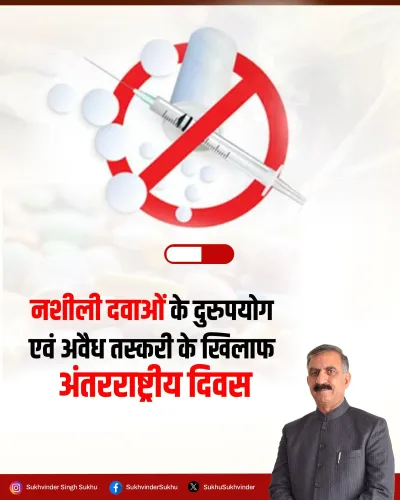
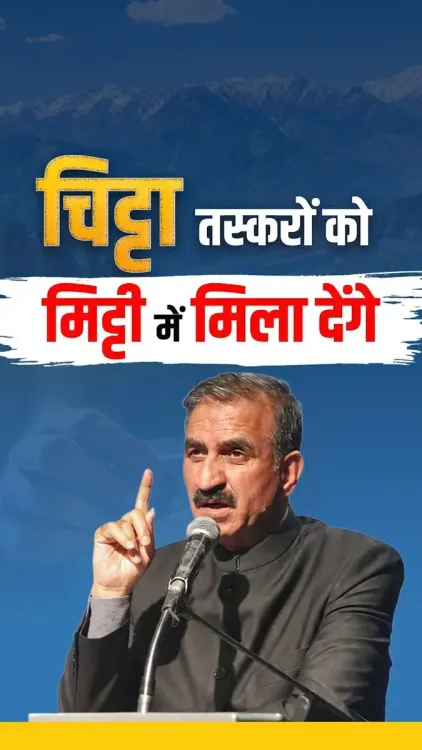
Himachal Pradesh CM Sukhvinder Singh Sukhu has issued a final warning to chitta drug traffickers, citing 174 arrests, demolition of 17 smugglers' properties, and seizure of Rs 51 crore in illegal assets, vowing the crackdown will not stop until the network is fully dismantled.
Key Takeaways
174 drug traffickers have been sent to jail under the ongoing Himachal Pradesh anti-narcotics drive.
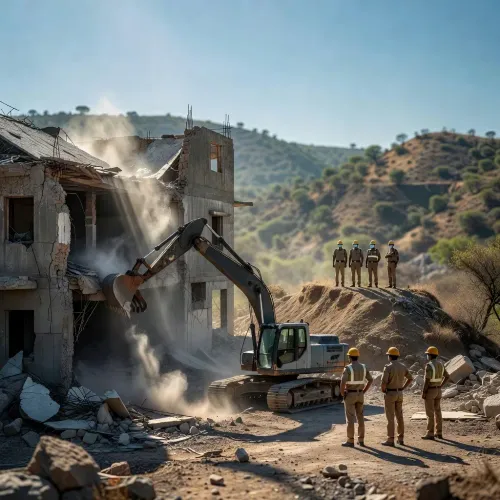
Properties of 17 smugglers have been demolished as part of enforcement action.
Rs 51 crore worth of illegal assets has been seized by state authorities.
66 more individuals have been identified and are under active investigation.
CM Sukhu described the statement as a 'final warning' to chitta mafias, vowing the campaign will not stop until the network is fully eliminated.
The crackdown draws on the NDPS Act, 1985 and mirrors anti-drug drives seen across northern Indian states.
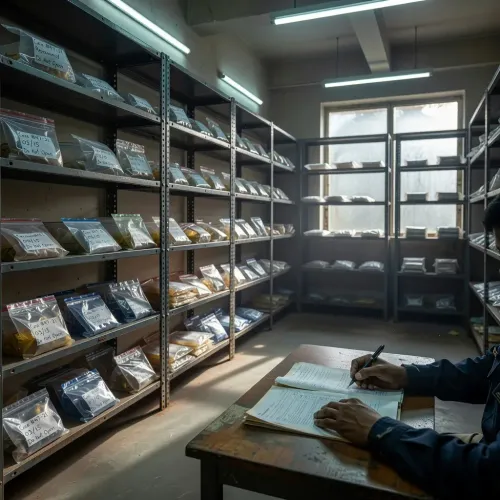
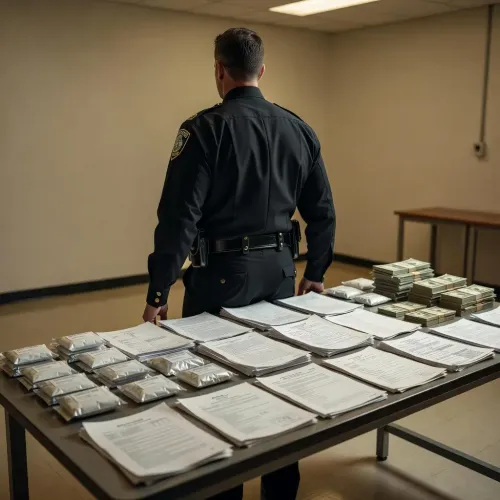
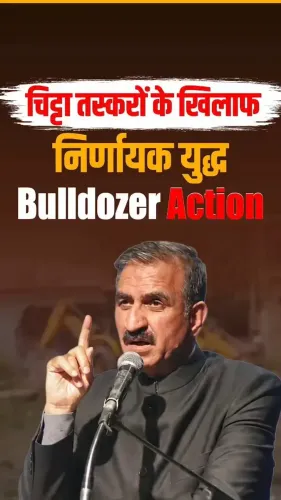
Himachal Pradesh Chief Minister Sukhvinder Singh Sukhu issued a stern public warning to drug traffickers on Monday, June 8, 2026, declaring that the state's crackdown on the 'chitta' narcotics network will continue until it is completely dismantled. The Chief Minister cited sweeping enforcement figures — 174 criminals jailed, properties of 17 smugglers razed, and Rs 51 crore in illegal assets seized — as evidence of a sustained offensive against the drug trade.
Context
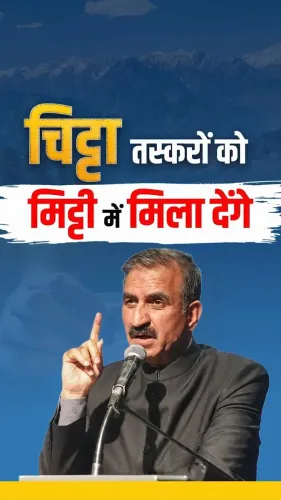
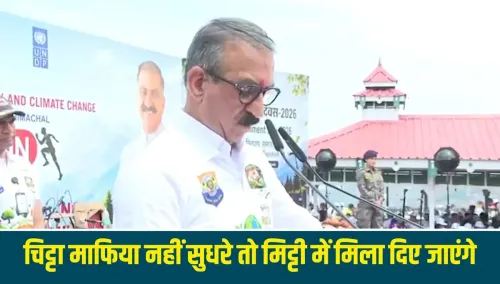
Posting in Hindi on June 8, CM Sukhu addressed traffickers in unambiguous terms: 'Chitta maafiyaon ke liye yeh antim chetavni hai ki sudhar jao, nahin to mitti mein mila diye jaoge' — 'This is the final warning to chitta mafias: reform yourselves, or you will be ground to dust.' He added that 66 more individuals have been identified and action against them is ongoing. 'Chitta' is a colloquial term for heroin or synthetic opiates that has become the street name for a drug widely associated with addiction crises in Himachal Pradesh and neighbouring Punjab.
The statement marks one of the sharpest public ultimatums issued by the Sukhu administration since it assumed office in December 2022. By framing the message as a 'final warning,' the Chief Minister is signalling an escalation rather than a routine update.
Policy Backdrop
Enforcement actions of this scale draw on the Narcotic Drugs and Psychotropic Substances (NDPS) Act, 1985, India's primary federal legislation governing drug offences, which grants authorities powers to attach and demolish properties linked to narcotics proceeds. The razing of properties belonging to 17 traffickers and the seizure of Rs 51 crore in illegal assets reflect this statutory framework in action.
Himachal Pradesh's geography — mountainous terrain, porous borders with Punjab, and a large tourist footprint — has historically made it a transit and consumption zone for synthetic drugs and opiates. The Sukhu government's current campaign mirrors intensified anti-narcotics drives seen across northern Indian states, which have combined state police operations with periodic coordination by central agencies such as the Narcotics Control Bureau (NCB).
Property demolition as a punitive and deterrent tool has gained traction across several state administrations as a visible signal of political will, though it also draws scrutiny from civil liberties advocates regarding due process.
Stakeholders and Impact
The primary targets of the crackdown are organised trafficking networks supplying chitta across Himachal Pradesh, with 174 accused already behind bars and 66 more under active investigation. State police form the operational backbone of these raids, while local youth — disproportionately affected by addiction — are the intended beneficiaries of reduced supply.
Families of those arrested, as well as residents in areas where properties have been demolished, represent a complex secondary stakeholder group. Community-level impact will depend on whether enforcement is paired with rehabilitation infrastructure, a dimension the Chief Minister's statement does not address directly.
What's Next
CM Sukhu's explicit reference to 66 identified individuals still under investigation signals that further arrests and asset actions are imminent. The administration may face pressure to present a comprehensive accounting of these figures during the upcoming state assembly monsoon session. Coordination with central agencies and neighbouring state governments — particularly Punjab — will be critical to disrupting cross-border supply chains rather than displacing them. The Chief Minister's public ultimatum raises the political stakes: any visible slowdown in enforcement will now be measured against the benchmarks he himself has set.
Point of View
He is staking personal credibility on outcomes that will now be tracked closely. This fits a broader pattern among northern Indian state governments of using visible, punitive anti-drug action as a governance legitimacy marker, particularly where youth addiction has become an electoral liability. The real test will be whether the campaign sustains institutional momentum beyond the current media cycle and addresses cross-border supply chains that no single state government can sever alone.
NationPress
24 Oct 2026
Frequently Asked Questions
What is chitta and why is it a problem in Himachal Pradesh?
'Chitta' is a street name for heroin or synthetic opiates that has fuelled a serious addiction crisis in Himachal Pradesh and neighbouring Punjab, exploiting the state's mountainous terrain and tourist economy as cover for trafficking networks.
How many drug traffickers have been arrested in Himachal Pradesh's crackdown?
According to CM Sukhu's statement on June 8, 2026, 174 criminals have been jailed, with 66 more individuals identified and under active investigation.
What legal powers allow Himachal Pradesh to demolish drug traffickers' properties?
The Narcotic Drugs and Psychotropic Substances (NDPS) Act, 1985 provides the primary legal framework for drug enforcement in India, including powers to attach and act against properties linked to narcotics proceeds.
How much illegal property has been seized in the Himachal Pradesh drug drive?
CM Sukhu stated that Rs 51 crore in illegal assets has been seized and properties of 17 smugglers have been razed to the ground.
Will the Himachal Pradesh anti-drug campaign continue?
CM Sukhu explicitly stated that the campaign 'will not stop until it is completely finished,' framing the June 8 statement as a final warning to traffickers still operating in the state.