India, Sri Lanka, Bangladesh, Maldives launch BOB-NOR fisheries research network
Synopsis
Four Bay of Bengal nations — India, Sri Lanka, Bangladesh, and the Maldives — have launched BOB-NOR, a regional network that will combine satellite data, climate science, and fisheries research to understand why fish populations are changing. It is a direct challenge to decades of catch-first fisheries management, and its findings could reshape policy for millions of coastal fishing families.
Key Takeaways
India , Sri Lanka , Bangladesh , and the Maldives launched the Bay of Bengal Network of Ocean Researchers for Fisheries (BOB-NOR) on 5 November 2026 in Kochi .
The network will integrate satellite data , sea surveys, climate studies, and fisheries data to track changes in fish populations.
It will study rising sea temperatures , monsoon shifts, salinity, ocean currents, and marine biodiversity impacts on fish stocks.
Union Fisheries Joint Secretary Surabhi Rai described the initiative as a potential global model for science-based fisheries management.
The network is coordinated by the Bay of Bengal Programme Inter-Governmental Organisation (BOBP-IGO) with support from GEO Blue Planet and the Trevor Platt Science Foundation .
Scientists from the US , Brazil , Chile , Portugal , the UK , and Greece also participated in the launch meeting.
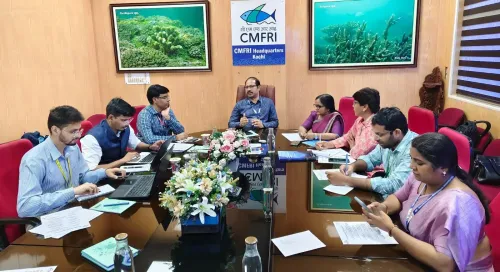
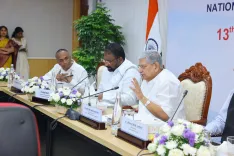
India, Sri Lanka, Bangladesh, and the Maldives have formally launched a joint regional research network to track how climate change and shifting ocean conditions are reshaping fish populations across the Bay of Bengal. The initiative, called the Bay of Bengal Network of Ocean Researchers for Fisheries (BOB-NOR), was unveiled on 5 November 2026 at the ICAR-Central Marine Fisheries Research Institute (CMFRI) in Kochi, on the sidelines of an international symposium on fisheries and remote sensing.
What BOB-NOR Will Do
The network is designed to bring together ocean scientists and fisheries experts from the four member countries to study why fish populations are changing and how those changes affect coastal fishing communities. It will integrate data from satellites, sea surveys, climate studies, and fisheries research to build a clearer picture of underwater transformations.
Specifically, BOB-NOR will examine the impact of rising sea temperatures, shifting monsoon patterns, salinity levels, ocean currents, and marine biodiversity on fish stocks. It will also monitor changes in fish movement, breeding cycles, growth rates, and population distribution across different zones of the Bay of Bengal.
A Shift in How Fisheries Are Managed
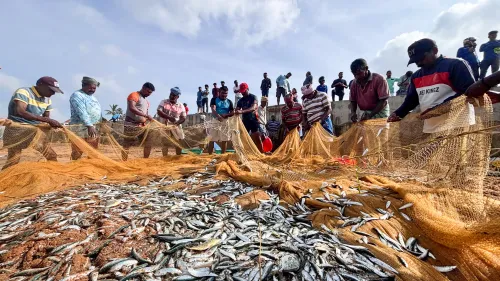
Until now, fisheries management across the region has largely relied on catch data — measuring how much fish is taken out of the sea rather than understanding the ocean conditions that determine how much fish exists in the first place. BOB-NOR aims to move upstream of that approach, studying ocean-level changes before they translate into stock depletion.
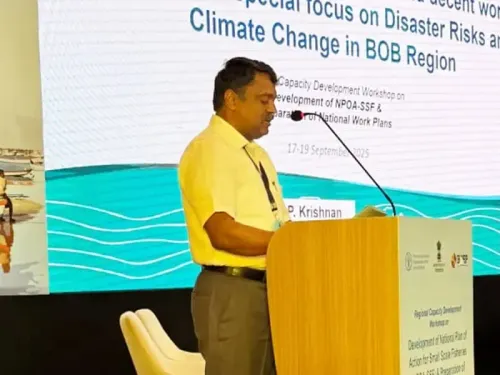
Union Fisheries Joint Secretary Surabhi Rai said the initiative could serve as a global model for science-based fisheries management. BOBP-IGO Director P. Krishnan said the network would help bridge a longstanding gap between ocean science and fisheries policy, bringing researchers and managers into closer alignment.
Call for Better Data and Advisories
Former ICAR Deputy Director General B. Meenakumari emphasised the importance of timely and reliable ocean data. She said regular advisories on sea conditions — including sea surface temperature — would enable fishermen to make better-informed decisions at sea, potentially improving both safety and livelihoods.
International Participation and Coordination
The launch meeting drew officials and experts from the four founding nations alongside ocean scientists and marine researchers from the United States, Brazil, Chile, Portugal, the United Kingdom, and Greece. The network is coordinated by the Bay of Bengal Programme Inter-Governmental Organisation (BOBP-IGO), with the Union Fisheries Department hosting the event and logistical support from GEO Blue Planet and the Trevor Platt Science Foundation.
As climate-driven disruptions to marine ecosystems intensify, BOB-NOR's ability to generate actionable, region-specific data will determine how effectively these four coastal nations can protect the livelihoods of millions of fishing families dependent on the Bay of Bengal.
Point of View
Overfishing, and inadequate data infrastructure. The move from catch-based to ecosystem-based management is overdue, but the network's real test will be whether it produces advisories that actually reach fishermen in time to change behaviour. Regional science cooperation between India, Sri Lanka, Bangladesh, and the Maldives is also geopolitically significant — shared data frameworks tend to outlast diplomatic weather. The involvement of researchers from six non-member countries signals that the Bay of Bengal is increasingly seen as a bellwether for tropical ocean disruption, not just a regional concern.
NationPress
5 Nov 2026
Frequently Asked Questions
What is the BOB-NOR network launched in Kochi?
BOB-NOR, or the Bay of Bengal Network of Ocean Researchers for Fisheries, is a joint regional initiative launched on 5 November 2026 by India, Sri Lanka, Bangladesh, and the Maldives. It aims to integrate climate data, satellite observations, and fisheries research to understand and address changes in fish populations across the Bay of Bengal.
Why was the BOB-NOR network launched?
The network was launched because rising sea temperatures, shifting monsoon patterns, and other climate-driven changes are altering fish populations in ways that traditional catch-based fisheries management cannot adequately track. BOB-NOR seeks to study ocean conditions before they affect fish stocks, enabling more proactive and science-based policy.
Who coordinated the BOB-NOR launch and who attended?
The network is coordinated by the Bay of Bengal Programme Inter-Governmental Organisation (BOBP-IGO). The launch meeting at CMFRI in Kochi was hosted by the Union Fisheries Department with support from GEO Blue Planet and the Trevor Platt Science Foundation. Marine researchers from the US, Brazil, Chile, Portugal, the UK, and Greece also attended.
How will BOB-NOR help fishing communities?
By generating regular advisories on sea surface temperature and other ocean conditions, the network aims to help fishermen make better decisions about where and when to fish. Former ICAR Deputy Director General B. Meenakumari specifically highlighted the need for timely, reliable data to support fishermen at sea.
What makes BOB-NOR different from existing fisheries management approaches?
Existing fisheries management in the region has largely depended on catch data — measuring how much fish is harvested rather than understanding the underlying ocean conditions. BOB-NOR takes a broader approach by linking ocean science, climate data, and fisheries research to study the causes of fish population changes, not just their effects.