India's small-scale fisheries action plan: Centre consults 30 mn-strong sector
Synopsis
India is building its first structured national action plan for small-scale fisheries through a ground-up community consultation process — unusual for a sector involving 30 million people that has historically been shaped top-down. With a draft due on World Fisheries Day and finalisation slated for 2027, the real test is whether fisher voices survive the drafting table.
Key Takeaways
The Union Department of Fisheries has launched nationwide consultations to draft the NPOA-SSF , covering an estimated 30 million people in India's fisheries sector.
BOBP-IGO is facilitating the exercise; more than 20 consultations are planned across both coasts and island territories.
Sessions have already been held at Kakdwip, West Bengal and Baleswar, Odisha ; state departments must submit feedback this month.
The draft plan is due on World Fisheries Day, 21 November 2026 , followed by public review before final notification in 2027 .
14 civil society and fisher organisations — including the National Fishworkers' Forum and South Indian Federation of Fishermen Societies — are participating.
The plan is aligned with the FAO Voluntary Guidelines and India's National Policy on Marine Fisheries, 2017 .
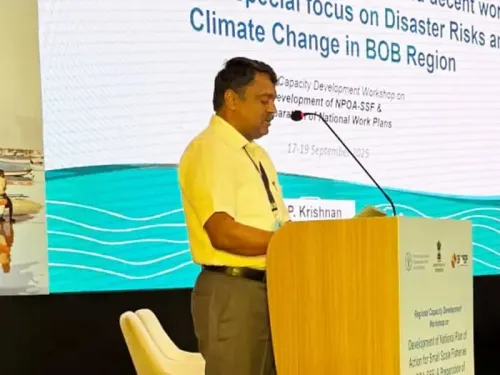
The Union Department of Fisheries has launched a nationwide consultation process with fishing communities to shape the National Plan of Action for Securing Sustainable Small-Scale Fisheries (NPOA-SSF), a landmark policy framework that will govern the livelihoods of an estimated 30 million people across India linked to fisheries and allied activities. The Bay of Bengal Programme Inter-Governmental Organisation (BOBP-IGO) is facilitating and coordinating the exercise, with a draft action plan scheduled for release on World Fisheries Day, 21 November 2026.
What the Consultation Process Covers
The Centre has directed coastal states and Union Territories to conduct community-led consultations and channel fisher feedback to the National Task Force drafting the plan. State and UT Fisheries Departments have been asked to appoint nodal officers and complete consultations this month before submitting findings.
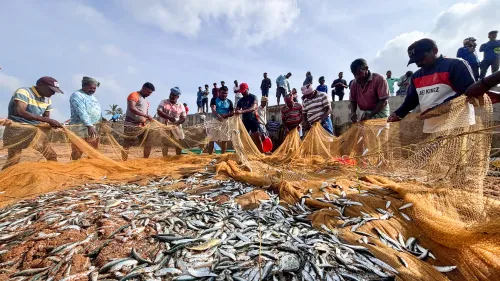
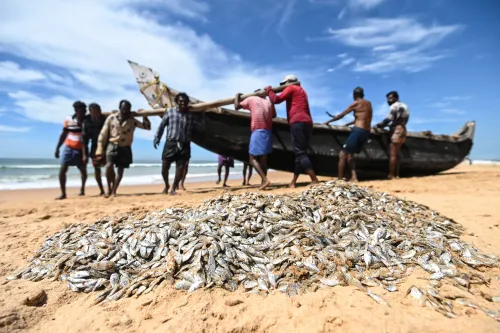
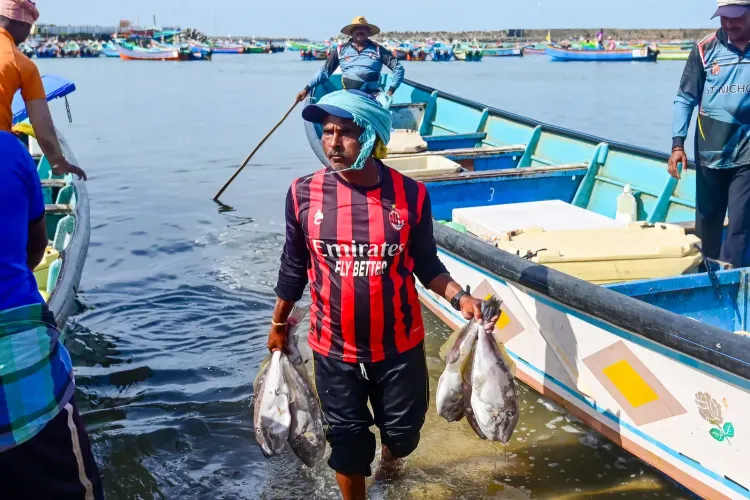
More than 20 consultations are planned across the eastern and western coasts and island territories. Sessions have already been held at Kakdwip in West Bengal and Baleswar in Odisha. All consultations will be conducted in local languages and will include fishers, crew and share workers, migrant fish workers, fish vendors, dry-fish processors, and youth. Separate sessions are planned for women and young participants to ensure their voices are distinctly recorded.
Key Issues on the Table
The consultations are designed to address a wide range of intersecting concerns: access to fisheries resources, sustainable resource management, livelihood security, decent work conditions, gender equality, climate change adaptation, and disaster risk reduction. This breadth signals the government's intent to move beyond production-only metrics and treat small-scale fisheries as a socio-economic and ecological system.
What the Government Said
Union Fisheries Secretary Dr Abhilaksh Likhi underscored the primacy of community input in the drafting process. 'These consultations are not a formality to be completed before the plan is drafted. They are where the plan is written,' he said. Joint Secretary Dr Surabhi Rai added that the framework must reflect the ground realities of fishing communities and that the process would help formally record the voices of fishers and fish workers for incorporation into national policy.
Who Is Driving Community Participation
Fourteen fisher community and civil society organisations have joined the consultation process, including the National Federation of Small-Scale Fish Workers, the National Fishworkers' Forum, and the South Indian Federation of Fishermen Societies. Their involvement is intended to ensure that organised community perspectives — rather than only state-level administrative views — inform the final document.
Timeline and Next Steps
The draft NPOA-SSF will be released on 21 November 2026 and opened for public review before finalisation and formal notification in 2027. The plan is being framed in alignment with the Food and Agriculture Organisation's (FAO) Voluntary Guidelines for Securing Sustainable Small-Scale Fisheries and India's own National Policy on Marine Fisheries, 2017. How faithfully community inputs are reflected in the draft will be closely watched by the civil society groups participating in the process.
Point of View
Covering 30 million people, has long been treated as a revenue and export story rather than a livelihood and climate-resilience story. The NPOA-SSF consultation model — if it genuinely incorporates fisher voices rather than bureaucratic summaries — could mark a structural shift. The real risk is the gap between consultation and drafting: civil society participation at the community level does not automatically translate into policy text. Fisheries Secretary Likhi's assertion that 'consultations are where the plan is written' sets a high benchmark that the final 2027 document will be judged against.
NationPress
8 Oct 2026
Frequently Asked Questions
What is the NPOA-SSF that India is drafting?
The National Plan of Action for Securing Sustainable Small-Scale Fisheries (NPOA-SSF) is a national policy framework being developed by the Union Department of Fisheries to protect the livelihoods of the approximately 30 million people in India linked to small-scale fishing and allied activities. It is aligned with FAO Voluntary Guidelines and India's National Policy on Marine Fisheries, 2017.
When will the NPOA-SSF draft be released?
The draft NPOA-SSF is scheduled for release on World Fisheries Day, 21 November 2026. It will then be opened for public review before being finalised and formally notified in 2027.
How are fishing communities being consulted?
The Centre has directed coastal state and UT Fisheries Departments to appoint nodal officers, hold community consultations in local languages this month, and submit feedback to the National Task Force. More than 20 consultations are planned; sessions have already taken place at Kakdwip in West Bengal and Baleswar in Odisha.
Which organisations are part of the consultation process?
Fourteen fisher community and civil society organisations are involved, including the National Federation of Small-Scale Fish Workers, the National Fishworkers' Forum, and the South Indian Federation of Fishermen Societies. BOBP-IGO is facilitating and coordinating the overall process.
What issues will the NPOA-SSF address?
The action plan will cover access to fisheries resources, sustainable management, livelihood security, decent work, gender equality, climate change adaptation, and disaster risk reduction. Consultations will specifically include women, youth, migrant fish workers, fish vendors, and dry-fish processors to capture the full breadth of the sector.