Climate change threatens India's small-scale fishers, new BOBP-IGO report warns
Synopsis
A new BOBP-IGO assessment has found that India's small-scale fishers are already losing fishing days and catches to climate change — with sardine declines, unpredictable monsoons, and stronger storms hitting the most vulnerable coastal communities hardest. A national action plan draft is due by 21 November and could shape policy for millions along India's coastline.
Key Takeaways
A BOBP-IGO diagnostic assessment released in Kochi on 2 September identifies climate change as a major threat to India's small-scale fishing communities.
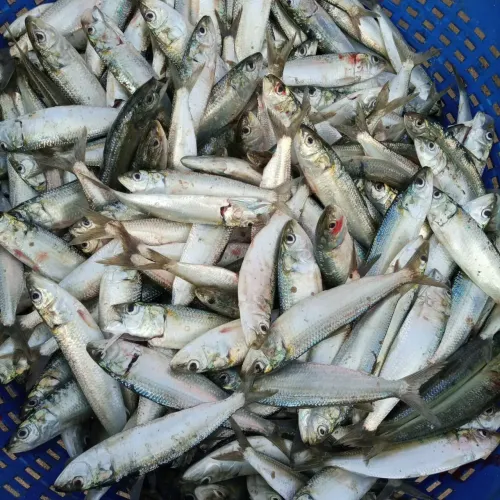
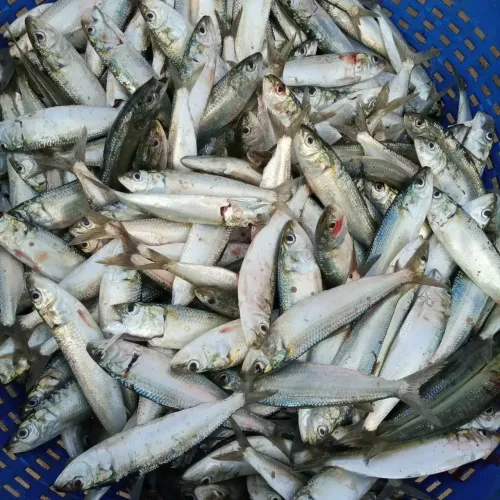
Fishers report rising temperatures, stronger storms, unpredictable monsoons, and declining catches of traditional species including sardines .
Rough seas and cyclones are reducing the number of days fishers can go to sea, directly impacting household income.
Vulnerability is unequal — communities with poor infrastructure and limited financial resources face the greatest risk.
The assessment calls for a nationwide audit of disaster-management infrastructure and better post-disaster compensation systems.
A draft National Plan of Action for Small-Scale Fisheries (NPOA-SSF) is expected by 21 November .
A new diagnostic assessment released in Kochi on 2 September has found that climate change poses a mounting threat to the livelihoods of India's small-scale fishing communities, with rising temperatures, erratic monsoons, stronger storms, and rougher seas cutting into both the number of days fishers can work and the volume of their catches. The report was prepared by the Bay of Bengal Programme Inter-Governmental Organisation (BOBP-IGO), with support from national experts and technical guidance from the Food and Agriculture Organisation (FAO).
What Fishers Are Experiencing on the Ground
According to the assessment, fishers across India's coastline are already reporting tangible shifts in weather and marine conditions. Temperatures have risen, seasonal patterns have shifted, and storms have grown more intense. Monsoon cycles, long the backbone of fishing calendars, have become increasingly unpredictable.
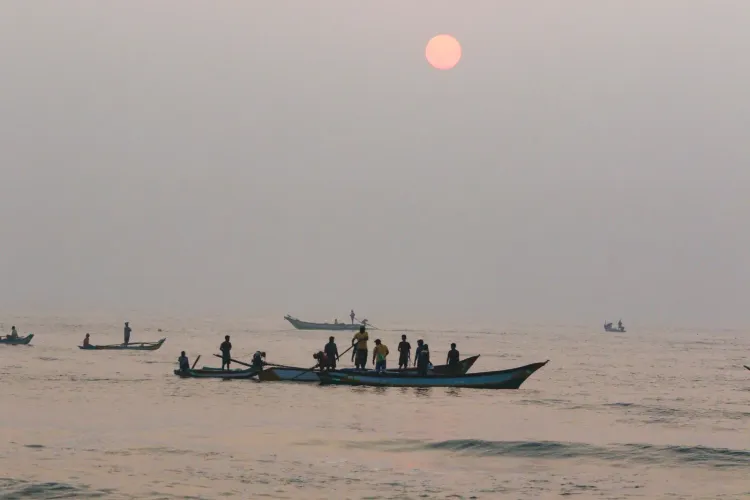
Changes in fish availability have compounded the pressure. Fishers have noted the disappearance or reduced presence of certain species and a notable decline in catches of traditional varieties, including sardines. Rough seas, cyclones, and storm surges are also keeping boats ashore for longer stretches — a direct blow to household income for communities where a few lost days at sea can mean financial distress.
Unequal Vulnerability Across Communities
The report cautions that not all fishing communities face equal exposure to these risks. The severity of impact depends on the type of fishing unit, proximity to infrastructure, access to financial resources, and the capacity of families to recover after a disaster. Coastal communities with limited assets and poor access to credit are disproportionately vulnerable, the assessment found.
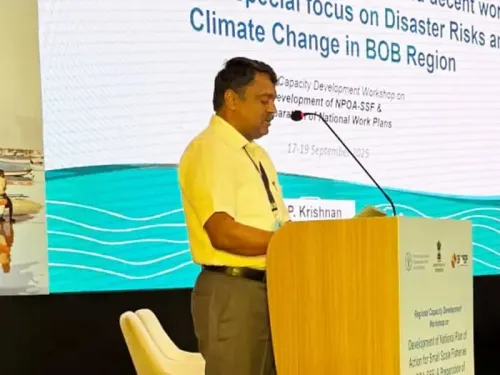
BOBP-IGO Director Dr P. Krishnan stated that climate risks must be addressed alongside the sector's existing structural challenges — not treated as a separate concern.
Long-Standing Sector Problems Come Into Focus
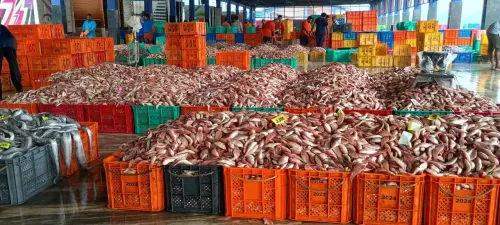
Beyond climate, the assessment flags several chronic issues in India's small-scale fisheries. These include poor market access, inadequate cold storage and processing facilities, and difficulties in securing fair prices for catches. Safety at sea remains a critical gap, with many small fishers lacking basic safety equipment and reliable weather information. Fishing harbours and landing centres are also reported to need significant infrastructure upgrades.
The report also draws attention to the role of women in fishing communities. While women are central to post-harvest activities and related work, their participation in decision-making and resource management remains limited — a structural inequity the assessment explicitly flags.
Recommendations and the Road Ahead
The assessment has proposed a nationwide audit of disaster-management infrastructure in coastal fishing areas, along with the identification of high-vulnerability zones and improved post-disaster compensation mechanisms. Other recommendations include building stronger and safer boats, enhancing weather forecasting systems, expanding skill development programmes, and creating alternative livelihood opportunities for fishing-dependent households.
These findings are expected to directly inform India's proposed National Plan of Action for Small-Scale Fisheries (NPOA-SSF), which is currently in preparation. A draft of the national plan is expected by 21 November. The plan will aim to address the economic, social, and climate-related challenges confronting India's small-scale fishing sector — one of the country's most vulnerable yet economically significant coastal communities.
Point of View
And the window to embed climate resilience into that framework is narrow. What the assessment makes clear, but what policy discussions often sidestep, is that climate risk in fisheries is also a social equity issue: the smallest operators with the least capital absorb the largest shocks. The exclusion of women from decision-making structures further concentrates vulnerability. A national plan that does not address these structural asymmetries — not just boat strength and weather forecasts — will be incomplete from the start.
NationPress
17 Oct 2026
Frequently Asked Questions
What does the BOBP-IGO climate assessment on Indian fisheries say?
The assessment, prepared by the Bay of Bengal Programme Inter-Governmental Organisation (BOBP-IGO) with FAO technical guidance, warns that climate change is a major and growing risk for India's small-scale fishing communities. It documents rising temperatures, erratic monsoons, stronger storms, and declining catches, and calls for urgent policy action including a nationwide audit of disaster-management infrastructure.
How is climate change affecting fish catches in India?
Fishers have reported changes in the presence and abundance of various species, with notable declines in catches of traditional varieties including sardines. Rough seas, cyclones, and storm surges are also reducing the number of days fishing boats can go to sea, directly cutting household incomes.
What is the National Plan of Action for Small-Scale Fisheries (NPOA-SSF)?
The NPOA-SSF is a proposed national policy framework aimed at addressing the economic, social, and climate-related challenges facing India's small-scale fishing sector. A draft of the plan is expected by 21 November, and the BOBP-IGO assessment is intended to inform its preparation.
Which fishing communities are most at risk from climate change?
According to the assessment, vulnerability is not uniform — communities with limited access to infrastructure, financial resources, and safety equipment face the greatest risk. The ability of families to recover after disasters is also a key factor in determining overall exposure.
What role do women play in India's fishing communities, and what does the report say about them?
Women are central to post-harvest activities and other related work in fishing communities. However, the assessment notes that their participation in decision-making and resource management remains limited, and calls for this structural gap to be addressed in the national action plan.