Pollution and freshwater demand threaten India's 23 million inland fishers
Synopsis
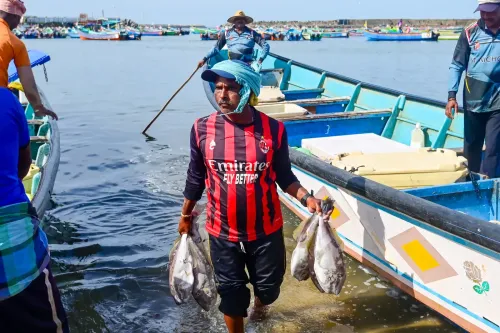
A joint BOBP-IGO and FAO report warns that pollution, habitat destruction, and freshwater competition are seriously threatening India's inland fisheries — a sector employing over 23 million people, nearly half of them women whose work goes largely unrecorded. The findings were unveiled at a national workshop in Bhopal to kickstart India's overdue National Plan of Action for sustainable inland small-scale fisheries.
Key Takeaways
A joint BOBP-IGO and FAO report warns that pollution, habitat damage, and freshwater competition threaten India's inland fisheries.
India's inland fisher population stands at 23.12 million ; women make up approximately 44 per cent — around 10.10 million people.
Women's roles in fish processing, marketing, and unpaid labour remain poorly documented, limiting their representation in policy.
Fragmented governance — across fisheries, irrigation, forest, revenue, and local bodies — hampers coordinated sector management.
The Union Department of Fisheries , BOBP-IGO , and the Madhya Pradesh government launched work on India's National Plan of Action for sustainable inland small-scale fisheries at the Bhopal workshop on 22 October 2026 .
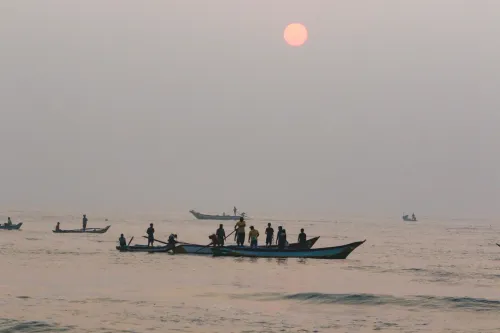
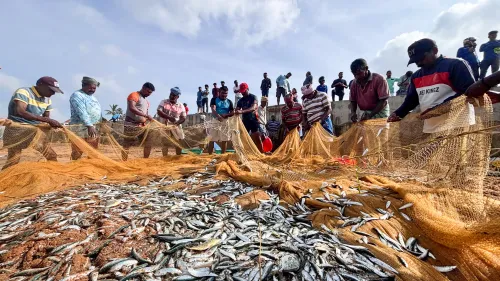
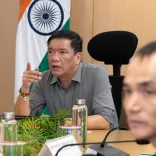
Pollution, destruction of aquatic habitats, and intensifying competition for freshwater are placing India's inland fisheries under severe strain, according to a joint report by the Bay of Bengal Programme Inter-Governmental Organisation (BOBP-IGO) and the UN Food and Agriculture Organisation (FAO). The findings were presented at a two-day workshop in Bhopal on 22 October 2026, marking the formal launch of India's National Plan of Action for sustainable inland small-scale fisheries.
Key Threats Identified
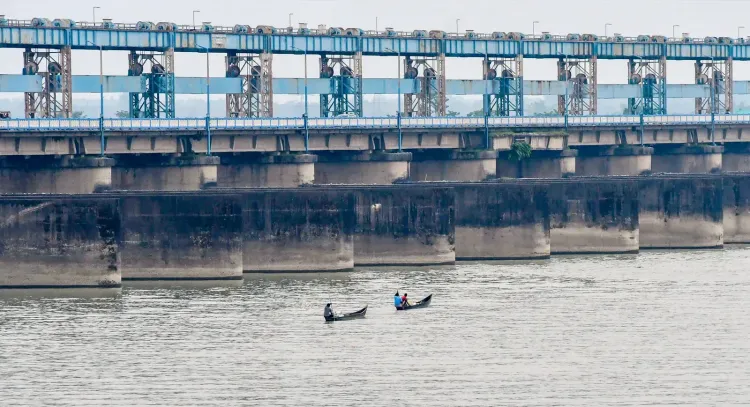
The report flags multiple, overlapping pressures on freshwater ecosystems. Disrupted river connectivity, erratic floods and droughts, and declining reservoir water levels are collectively reducing fish populations and undermining the stability of communities that depend on the sector. Competition for freshwater — particularly from irrigation and industrial use — compounds the problem by draining the very ecosystems that sustain inland fisheries.
The report explicitly calls for fisheries to be factored into broader water-resource planning, a step that has largely been absent from policy frameworks to date. It also points to unresolved issues around fishing access rights and leasing arrangements that leave small-scale fishers vulnerable.
Governance Gaps and Overlapping Jurisdictions
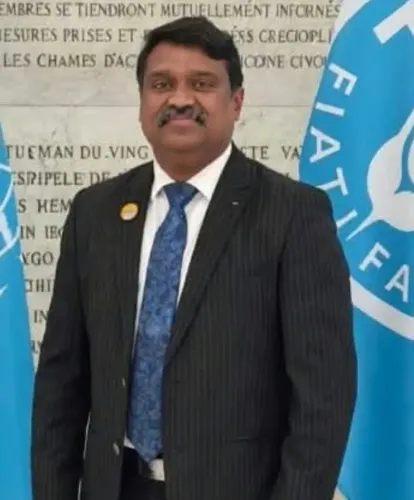
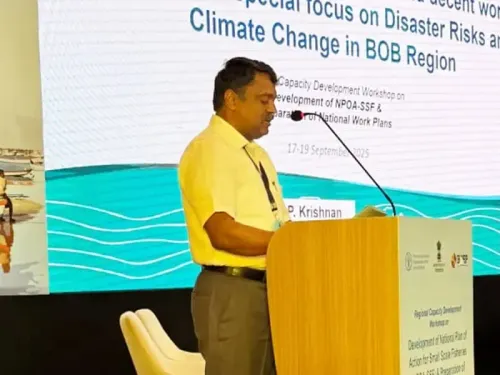
A recurring structural challenge identified in the report is the fragmented oversight of inland fisheries. Responsibilities are spread across fisheries, irrigation, forest, revenue, and local authorities, creating gaps in accountability and slowing coordinated action. BOBP-IGO Director Dr P. Krishnan noted that these concerns carry heightened urgency given the growing focus on climate resilience. 'These concerns assume greater significance amid growing attention to climate resilience and the need to manage freshwater resources sustainably,' he said.
Women Fishers Undercounted in Official Data
India's reported inland fisher population stands at 23.12 million, of whom women account for approximately 44 per cent — roughly 10.10 million people. Despite their significant share, women's contributions in fish processing, marketing, and unpaid family labour within the sector remain poorly documented. This gap limits their visibility in official statistics and, by extension, in development plans and welfare schemes designed for the community.
Dr Krishnan also noted that subsistence fishing and informal fish marketing are similarly underrepresented in existing data, further distorting the picture of the sector's true scale and needs.
The National Plan of Action: What It Seeks to Do
The Bhopal workshop, organised by the Union Department of Fisheries in collaboration with BOBP-IGO and hosted by the Madhya Pradesh government, brings together officials and sector stakeholders to set priorities for inland fisheries management. The National Plan of Action is designed to improve resource management, secure livelihoods for small-scale fishing communities, and align India's practices with FAO guidelines on sustainable small-scale fisheries.
The report underscores the need for granular, body-of-water-level data on fish catches and fisher demographics to enable more effective planning and support. How quickly that data infrastructure can be built will go a long way in determining whether the National Plan delivers for the millions who depend on India's rivers, lakes, and reservoirs.
Point of View
Industry, and hydropower. This report makes plain the cost of that hierarchy: over 23 million livelihoods under pressure, with women bearing a disproportionate burden that official statistics do not even fully capture. The governance fragmentation problem is not new, but naming it alongside a National Plan of Action raises the stakes for whether this workshop produces binding reform or remains another well-intentioned consultation. The real accountability test will come when the Plan is finalised — and whether it includes measurable targets for data collection on women fishers and small water bodies, which have been invisible in policy for decades.
NationPress
22 Oct 2026
Frequently Asked Questions
What are the main threats to India's inland fisheries identified in the report?
The report identifies pollution, aquatic habitat destruction, disrupted river connectivity, floods, droughts, falling reservoir levels, and growing competition for freshwater — particularly from irrigation — as the primary threats to India's inland fisheries and the communities that depend on them.
How many people depend on inland fisheries in India?
India's reported inland fisher population is 23.12 million, according to the BOBP-IGO and FAO report. Of these, approximately 10.10 million — around 44 per cent — are women, though their contributions are widely undercounted in official data.
What is India's National Plan of Action for inland fisheries?
It is an initiative to improve sustainable management of India's inland small-scale fisheries, align practices with FAO guidelines, and protect fisher livelihoods. Work on the Plan was formally launched at a two-day workshop in Bhopal on 22 October 2026, organised by the Union Department of Fisheries with BOBP-IGO, and hosted by the Madhya Pradesh government.
Why are women fishers underrepresented in India's official data?
Women's work in fish processing, marketing, and unpaid family activities within fishing households is poorly documented, which limits their visibility in official statistics and development plans. BOBP-IGO Director Dr P. Krishnan also noted that subsistence fishing and informal fish marketing are similarly underreported.
What governance challenges affect India's inland fisheries sector?
Overlapping responsibilities among fisheries, irrigation, forest, revenue, and local authorities create gaps in accountability and coordination. The report calls for fisheries to be integrated into wider water-resource planning to address these structural challenges.