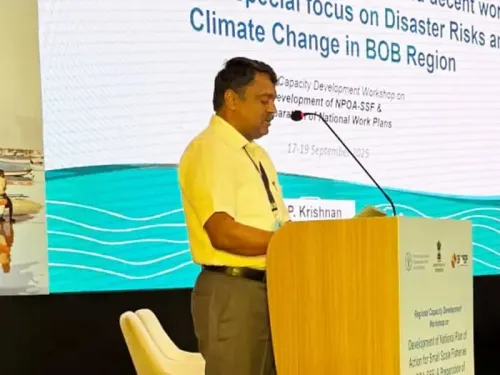
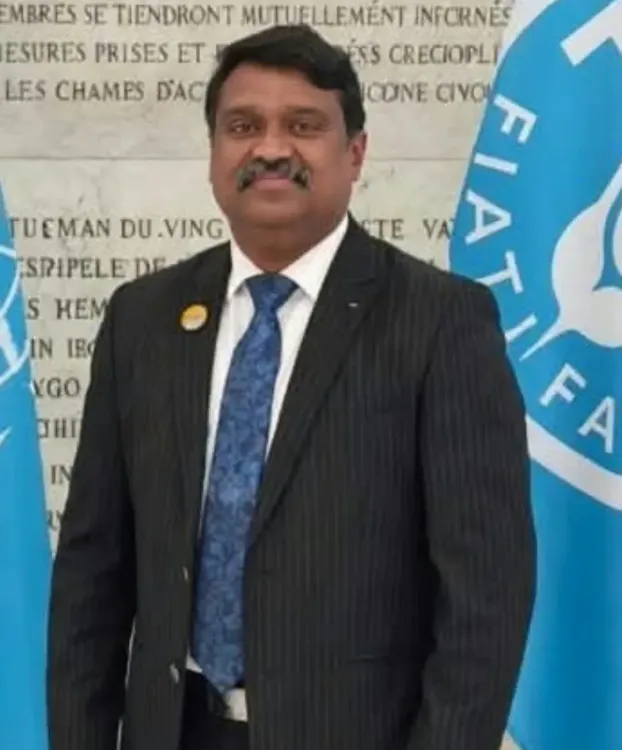
Indian scientist Dr P. Krishnan elected chair of UN FAO global fisheries network 2026-28
Synopsis
India's Dr P. Krishnan has taken the chair of a 50-plus-body global fisheries network at the UN FAO — just as India races to finalise its first national policy framework for small-scale fishers by December 2026. The timing is no coincidence: the chair gives India a direct hand in shaping international rules on ocean governance, climate adaptation, and the landmark High Seas Biodiversity Agreement.
Key Takeaways
Krishnan , Director of BOBP-IGO , was elected chair of the Regional Fishery Body Secretariats' Network (RSN) at the UN FAO for 2026–28 .
The RSN coordinates more than 50 regional fishery bodies on issues including small-scale fisheries, climate adaptation, and ocean governance.
India has completed key groundwork for its National Plan of Action for Small-Scale Fisheries (NPOA-SSF) ; draft plans are due for public consultation by December 2026 , with formal launches in 2027 .
Small-scale and traditional fishers make up the overwhelming majority of India's fishing workforce and are central to coastal food security and livelihoods.
As RSN chair, Krishnan will also work on implementation of the High Seas Biodiversity Agreement (BBNJ) and broader cooperation in ocean governance.
Indian fisheries scientist Dr P. Krishnan has been elected chair of the Regional Fishery Body Secretariats' Network (RSN) at the UN Food and Agriculture Organisation (FAO), securing India a leading role in international fisheries governance for the period 2026–28. The election took place on the sidelines of the 37th Session of the FAO Committee on Fisheries (COFI) in Rome.
Krishnan, who serves as Director of the Bay of Bengal Programme Inter-Governmental Organisation (BOBP-IGO), was chosen to lead the RSN — a network that brings together secretariats of more than 50 regional fishery bodies worldwide. The network functions as a critical coordination platform on global fisheries issues, spanning small-scale fisheries, climate change adaptation, and ocean governance.
India's Growing Role in Global Fisheries Governance
The election signals a significant elevation of India's standing in international fisheries policy. The RSN serves as a formal channel through which regional bodies engage with the FAO on pressing challenges, and Krishnan's chairmanship places an Indian voice at the centre of those deliberations for the next two years.
Speaking at the World Small-Scale Fisheries Summit 2026 at FAO headquarters in Rome, Krishnan highlighted the Bay of Bengal initiative as a potential model for other regions seeking to protect small-scale fishing communities. The summit brought together fisher organisations, government representatives, and researchers to contribute to the FAO's deliberations on small-scale fisheries and climate adaptation.
South Asia's National Plans for Small-Scale Fisheries
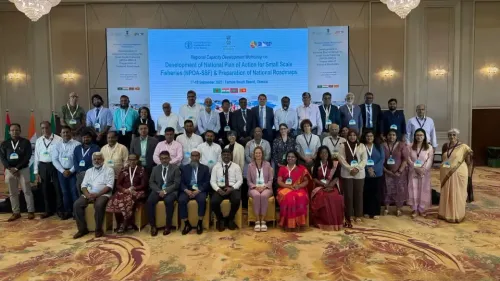
Krishnan's election comes as BOBP-IGO supports India and three other South Asian countries in preparing their National Plans of Action for Small-Scale Fisheries (NPOA-SSF) through a coordinated regional process backed by the FAO. India has already completed key groundwork, including a review of the legal framework governing fisheries and a sector profile of small-scale fishing operations.
Draft national plans are envisaged to be prepared and opened for public consultation by December 2026, with formal launches expected in 2027. The proposed national plan aims to provide a formal policy framework for a sector that remains largely informal and dispersed across the country's coastline.
Why Small-Scale Fisheries Matter for India
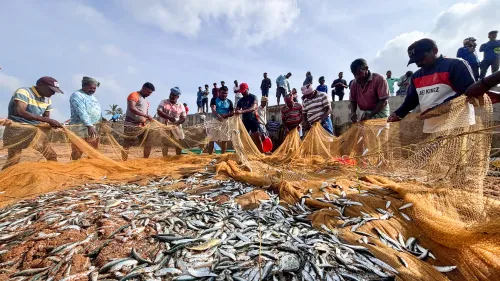
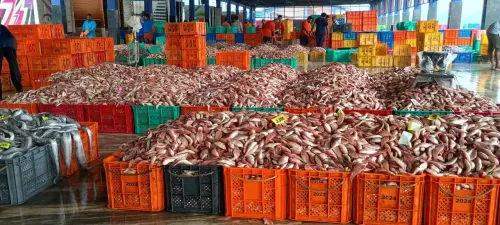
Small-scale and traditional fishers constitute the overwhelming majority of India's fishing workforce. They play a significant role in food security and coastal livelihoods — yet the sector has historically operated without a comprehensive national policy framework. The NPOA-SSF is expected to address critical issues including access rights, social protection, and climate resilience.
This is particularly timely: India's coastal communities face mounting pressure from climate variability, depleting fish stocks, and inadequate social safety nets — challenges that a structured national plan could begin to systematically address.
Krishnan's Agenda as RSN Chair
As RSN chair for 2026–28, Krishnan is expected to work with the FAO and regional fishery bodies on a broad agenda that includes small-scale fisheries policy, climate adaptation strategies, implementation of the High Seas Biodiversity Agreement (BBNJ), and strengthening cooperation in ocean governance. The BBNJ agreement, a landmark international treaty on marine biodiversity beyond national jurisdiction, is still in early stages of ratification and implementation — making coordinated regional engagement through bodies like the RSN especially consequential.
Point of View
But the real measure of its impact will be whether the country can simultaneously deliver a credible National Plan of Action for Small-Scale Fisheries by December 2026. Leading a 50-plus-body global network while the domestic sector remains largely informal and unprotected is a contradiction that Krishnan's tenure must confront head-on. The BBNJ agreement adds another layer of urgency: as high-seas governance rules take shape, India's voice in the RSN could help ensure that developing-nation fishing interests are not steamrolled by larger maritime powers. The opportunity is real — but so is the execution risk.
NationPress
24 Oct 2026
Frequently Asked Questions
Who is Dr P. Krishnan and what role has he been elected to?
Dr P. Krishnan is the Director of the Bay of Bengal Programme Inter-Governmental Organisation (BOBP-IGO) and has been elected chair of the Regional Fishery Body Secretariats' Network (RSN) at the UN FAO for 2026–28. The RSN coordinates the secretariats of more than 50 regional fishery bodies worldwide on issues including small-scale fisheries and ocean governance.
What is the Regional Fishery Body Secretariats' Network (RSN)?
The RSN is a global coordination platform under the UN FAO that brings together secretariats of more than 50 regional fishery bodies. It serves as a key channel for aligning international policy on small-scale fisheries, climate change adaptation, and ocean governance, including the implementation of the High Seas Biodiversity Agreement.
What is India's National Plan of Action for Small-Scale Fisheries?
India's NPOA-SSF is a forthcoming national policy framework being developed with support from BOBP-IGO and the FAO to formally govern the small-scale fishing sector. India has completed a legal framework review and sector profile; draft plans are expected to be open for public consultation by December 2026, with formal launches in 2027.
Why does the RSN chairmanship matter for India?
The chairmanship gives India a leading voice in international fisheries governance at a critical time, as global rules on ocean biodiversity and small-scale fisheries are being actively shaped. It positions India to advocate for the interests of its large coastal fishing workforce in forums where binding international agreements are negotiated.
What is the High Seas Biodiversity Agreement (BBNJ) and why is it relevant?
The BBNJ is a landmark international treaty on the conservation and sustainable use of marine biodiversity in areas beyond national jurisdiction. As RSN chair, Dr Krishnan will work with FAO and regional bodies on its implementation — a process that will affect fishing access, conservation obligations, and ocean governance rules globally.