White House Puts Farmers First in Rural America Push
Synopsis
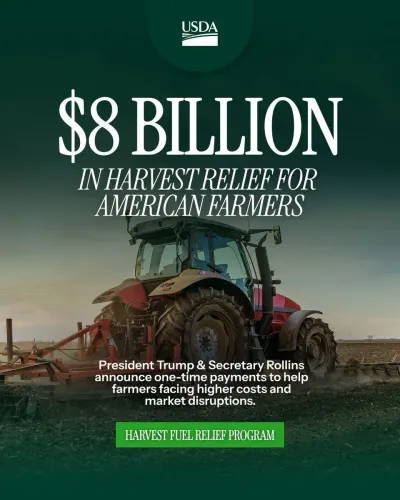
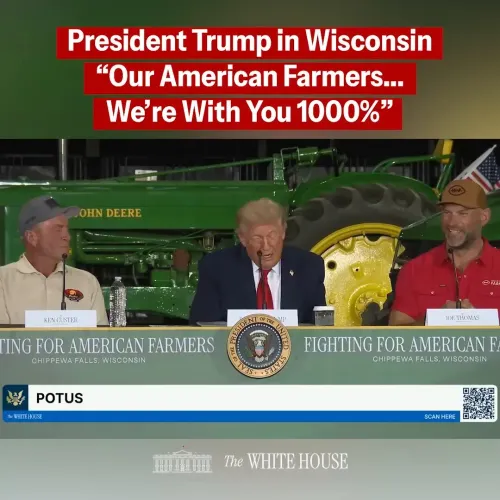
The White House posted a forceful message on October 22, 2026, declaring it is 'fighting for Rural America' and putting farmers and ranchers first — a signal with deep roots in the 2018 Farm Bill and stakes tied to the upcoming Farm Bill reauthorisation cycle.
Key Takeaways
The White House posted on October 22, 2026 pledging to put 'Farmers and Ranchers FIRST' in federal policy.
The message is directed at Rural America , one of the most politically and economically significant constituencies in the United States.
The policy lineage traces to the Agricultural Improvement Act of 2018 , signed during President Donald Trump 's first term, which funded major farmer support mechanisms.
The upcoming Farm Bill reauthorisation cycle is the next major legislative test for agricultural commitments.
Global commodity markets — including those affecting Indian imports of American pulses, soybeans, and cotton — can shift with changes in US farm policy.
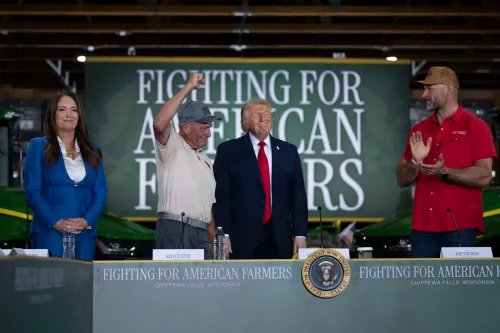
The White House threw its weight behind Rural America on Thursday, October 22, 2026, amplifying a direct message to the country's farmers and ranchers: the fight for their livelihoods is front and centre in the current administration's agenda.
A Signal to Farm Country
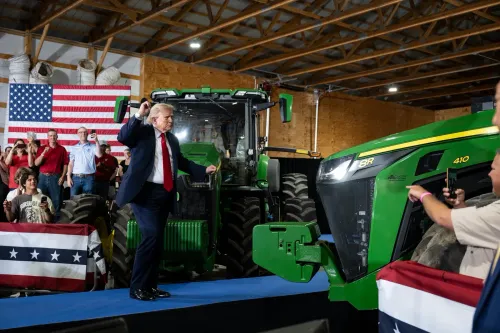
The post, carrying the declaration 'Fighting for Rural America. Putting our Farmers and Ranchers FIRST,' is a pointed signal to one of the most politically consequential constituencies in the United States. Agricultural states — spanning the Midwest grain belt, the Great Plains cattle country, and the dairy regions of the upper Midwest — have long been both economic engines and electoral anchors. When the White House speaks directly to that base, the stakes are rarely just symbolic.
Policy Roots: From the 2018 Farm Bill to Today
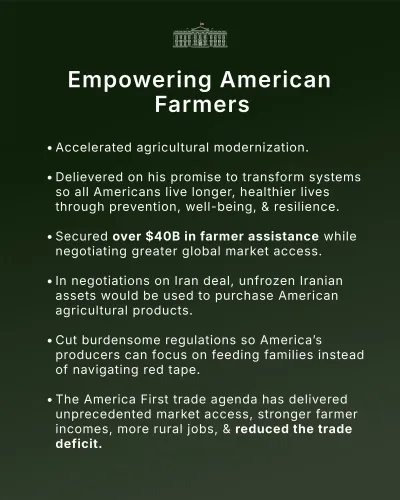
The current administration's agricultural posture draws from a lineage that includes the Agricultural Improvement Act of 2018, signed during President Donald Trump's first term, which authorised sweeping funding mechanisms for farmers and ranchers — covering everything from commodity price supports to rural development grants. That legislation set the template for a federal approach that blends direct financial aid with trade-facing protections. The question hanging over Washington's agriculture watchers now is what comes next: the next Farm Bill reauthorisation cycle is on the horizon, and any new trade agreements or tariff adjustments will reshape the competitive landscape for American producers facing pressure from global markets in grains, livestock, and dairy.
Why Rural Outreach Hits This Hard Right Now
U.S. administrations across party lines have periodically leaned into agricultural messaging — but the intensity and directness of this communication, routed through an official White House channel and directing audiences to a dedicated broadcast platform, suggests a concerted effort to own the rural narrative. Farmers and ranchers are not a monolith: they face divergent pressures from commodity price volatility, input cost inflation, climate variability, and competition from subsidised foreign producers. An administration that can credibly claim to address all of those fronts simultaneously holds a formidable coalition together.
For India, which maintains its own robust agricultural policy debates and trades extensively with the United States in commodities like pulses, soybeans, and cotton, shifts in American farm policy carry real downstream implications — from global commodity prices to bilateral trade dynamics.
The next Farm Bill debate will be the real test of whether this messaging translates into durable policy — and farm country will be watching every vote.
Point of View
This is as much a policy signal as a political one. For global commodity markets — and for trade partners like India — the direction of US agricultural policy at this juncture will ripple far beyond American borders. The real test is whether the rhetoric converts into concrete tariff, subsidy, and market-access decisions that actually move the needle for farmers squeezed between rising input costs and volatile global prices.
NationPress
22 Oct 2026
Frequently Asked Questions
What is the White House's message to US farmers in October 2026?
The White House declared it is 'fighting for Rural America' and putting 'Farmers and Ranchers FIRST,' signalling continued federal prioritisation of agricultural interests in policy and trade decisions.
What is the US Farm Bill and when is it up for renewal?
The Farm Bill is a sweeping piece of US legislation that authorises federal support for farmers, ranchers, and rural development. The next reauthorisation cycle is a key watch point for agricultural policy in 2026 and beyond.
How does US farm policy affect India?
India imports significant volumes of American agricultural commodities including pulses, soybeans, and cotton. Shifts in US subsidies, tariffs, or trade agreements can directly influence global commodity prices and India's import costs.
What did the Agricultural Improvement Act of 2018 do for US farmers?
The Agricultural Improvement Act of 2018 , signed during Trump's first term, authorised major funding for commodity price supports, crop insurance, rural development grants, and conservation programmes for American farmers and ranchers.
Why does the US government frequently highlight support for rural America?
Rural and agricultural states are both economic cornerstones and critical electoral constituencies. Federal messaging on farm support is tied to trade negotiations, commodity price stability, and broader efforts to address challenges facing American producers in global markets.