CM Bhajan Lal Sharma quotes Modi, targets Congress on Naxal links
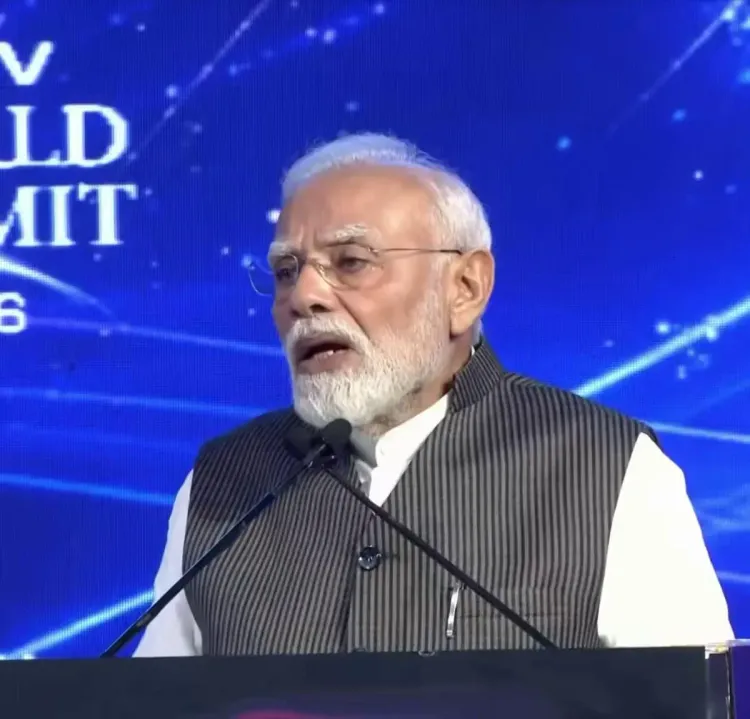
Synopsis
Rajasthan CM Bhajan Lal Sharma amplified PM Modi's remarks on X, accusing Congress of being ideologically seized by 'intellectual Naxalites' — extending a decade-long BJP narrative linking the opposition to Left Wing Extremism.
Key Takeaways
CM Bhajan Lal Sharma posted on October 22, 2026 , quoting PM Modi's attack on Congress over alleged Naxalite ideological influence.
PM Modi's quoted words accuse 'intellectual Naxalites' of stripping Congress of independent thought and steering it toward national ruin.
The 'dimagi Naxali' ('intellectual Naxalite') framing has been a recurring BJP rhetorical device since at least 2014 .
The BJP's Home Ministry strategy against Left Wing Extremism has combined security operations, development spending, and surrender policies over the past decade.
Active Naxal violence has retreated geographically, but the BJP's political messaging has pivoted to 'urban Naxalism' as a new front in the debate.
No Congress rebuttal had been issued at the time of the post's publication.
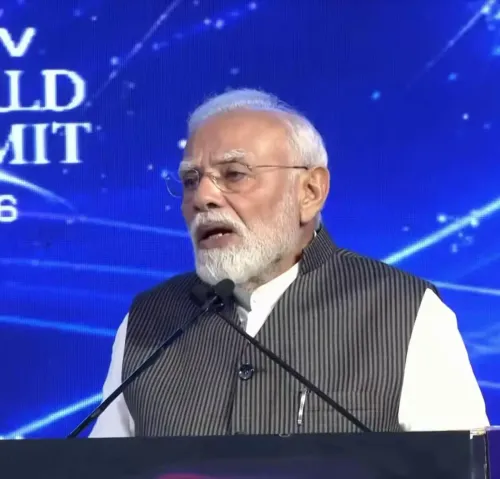
A sharp political broadside landed on Thursday, October 22, 2026, when Rajasthan Chief Minister Bhajan Lal Sharma took to X to amplify remarks attributed to Prime Minister Narendra Modi — accusing the Indian National Congress of being ideologically captured by what he called 'intellectual Naxalites' bent on the country's destruction.
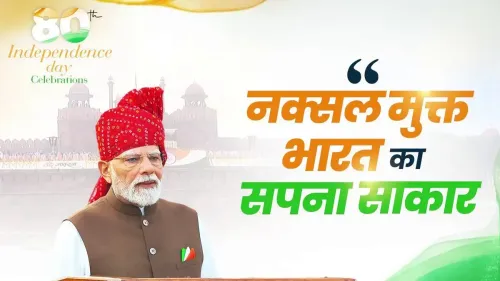
The post, shared in Hindi, quotes PM Modi directly: 'दिमागी नक्सलियों ने कांग्रेस के दिमाग पर ऐसा कब्जा कर लिया है कि कांग्रेस ने खुद की सोचने की क्षमता ही खो दी है' — ('Intellectual Naxalites have so completely occupied Congress's mind that Congress has lost its very ability to think'). The statement goes further, charging that those who 'wrought destruction in the forests' have now 'infiltrated Congress and are bent on the nation's ruin.'
The 'intellectual Naxalite' charge and its political lineage
The phrase 'intellectual Naxalite' — or dimagi Naxali — is not new to BJP rhetoric. Since at least 2014, successive BJP governments and senior party leaders have drawn a deliberate line connecting armed Left Wing Extremism (LWE) — rooted in the 1967 Naxalbari uprising in West Bengal — to a perceived urban-intellectual ecosystem that they argue provides ideological cover for insurgency. The charge has appeared in election campaigns, parliamentary speeches, and security-policy debates across a decade.
By quoting the Prime Minister directly and attributing the remarks reverentially — 'आदरणीय प्रधानमंत्री श्री @narendramodi जी' ('Respected Prime Minister Shri Narendra Modi ji') — CM Sharma amplifies the message beyond its original audience and frames it as an authoritative security-and-ideology argument, not merely a campaign jab.
Naxalism's declining footprint — and the BJP's sustained offensive
The context matters. The Union Home Ministry has, over the past decade-plus, pursued a multi-pronged strategy against LWE: coordinated security operations, targeted development spending in affected districts, and surrender-and-rehabilitation policies. The geographic footprint of active Naxal violence has narrowed considerably from its peak in the mid-2000s, when over a dozen states reported significant incidents.
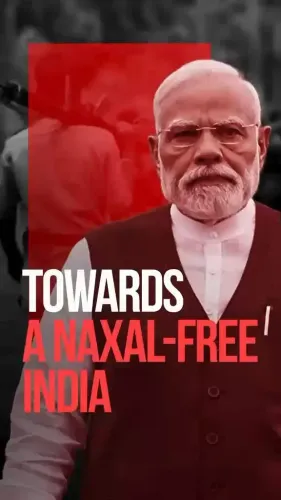
Yet even as the armed movement recedes in the forests of Chhattisgarh, Jharkhand, and Telangana, the BJP's political messaging has increasingly focused on what it terms 'urban Naxalism' — the allegation that sympathisers embedded in academia, civil society, and opposition politics sustain the movement's ideological oxygen. Linking that narrative directly to the Congress — India's principal opposition party — sharpens the electoral stakes of the debate.
Congress yet to respond — but the counter-punch is predictable
As of the post's publication, no formal Congress rebuttal had emerged. The opposition has historically rejected the 'intellectual Naxalite' label as a tool to silence dissent, criminalise legitimate criticism of government policy, and tar civil society voices with an extremist brush. That argument is certain to resurface.
What makes this moment worth watching is the format: a sitting Chief Minister quoting the Prime Minister in a video-backed social post, keeping a security-and-ideology message alive in the public conversation well outside election season. The BJP's information architecture — PM frames it, state CMs amplify it — is running on schedule.
Point of View
State chief ministers amplify it to regional audiences, and a security-tinged charge against Congress is kept alive in the non-electoral cycle. By invoking the Naxalite movement — which still carries visceral resonance in LWE-affected heartland states — the party ties a domestic security narrative directly to opposition legitimacy. For Congress, the recurring 'intellectual Naxalite' label is as much a strategic liability as a rhetorical one, because any denial risks being read as a defence of extremism. The exchange reveals how internal-security discourse has become a permanent feature of Indian party competition, not merely an emergency-period talking point.
NationPress
23 Oct 2026
Frequently Asked Questions
What did CM Bhajan Lal Sharma post about Congress and Naxalites?
He quoted PM Narendra Modi saying that 'intellectual Naxalites' have captured Congress's thinking, and that those who once caused destruction in forests have now entered Congress to destroy the nation.
What is an 'intellectual Naxalite' or dimagi Naxali?
The term, used by BJP leaders, refers to alleged urban sympathisers — in academia, civil society, or politics — who are accused of providing ideological support to the Naxalite armed insurgency without directly participating in violence.
What is the history of the Naxalite movement in India?
The Naxalite movement began with the 1967 Naxalbari uprising in West Bengal and evolved into a Left Wing Extremist insurgency active mainly in central and eastern Indian forest regions, including Chhattisgarh, Jharkhand, and Telangana.
How has the BJP government tackled Left Wing Extremism?
Since 2014 , the Union Home Ministry has pursued a multi-pronged strategy combining security operations, development programmes in LWE-affected districts, and surrender-and-rehabilitation policies, significantly shrinking the movement's geographic footprint.
Has Congress responded to the 'intellectual Naxalite' charge?
No formal response was available at the time of publication. Historically, Congress has rejected the label as an attempt to silence dissent and criminalise legitimate criticism of government policies.