CM Sawant Hails Modi Govt's Youth Empowerment Push
Synopsis
Goa Chief Minister Pramod Sawant on June 13, 2026, credited PM Modi's flagship schemes — Skill India, Startup India and Digital India — for empowering India's youth and steering the Amrit Peedhi generation toward the Viksit Bharat 2047 vision.
Key Takeaways
Goa CM Pramod Sawant posted on June 13, 2026 attributing India's youth rise to deliberate central government policy under PM Narendra Modi .
Skill India Mission (launched July 2015 ) and Startup India (announced January 2016 ) are among the flagship schemes Sawant highlighted.
Digital India , inaugurated in July 2015 , expanded broadband and e-governance as part of the same human-capital push.
Sawant linked individual achievements — universities built, startups launched, skills acquired, jobs created — to the Viksit Bharat 2047 national vision.
The post invokes the concept of Amrit Peedhi , the generation that will witness India's centenary of independence in 2047 .
Progress on these schemes is tracked annually through the Economic Survey and parliamentary standing committee reviews.
Goa Chief Minister Pramod Sawant on Saturday, June 13, 2026, credited sustained central government investments in education, skilling, entrepreneurship and sports for what he described as the deliberate rise of a confident, capable young India under Prime Minister Narendra Modi.
Context
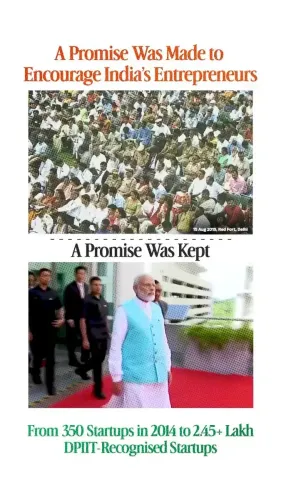
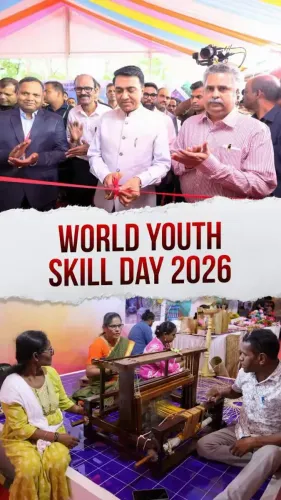
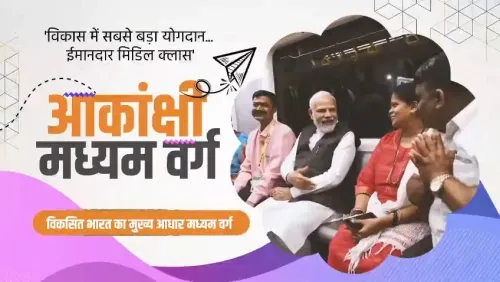
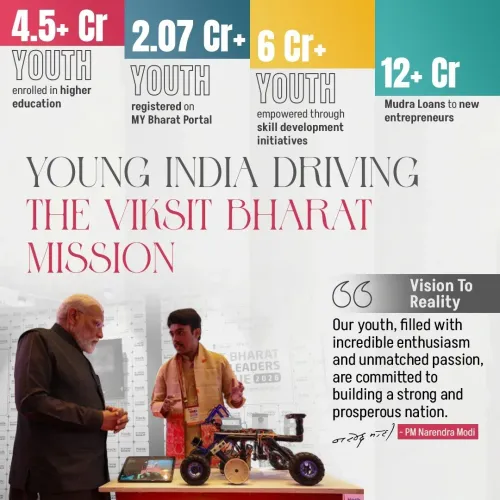
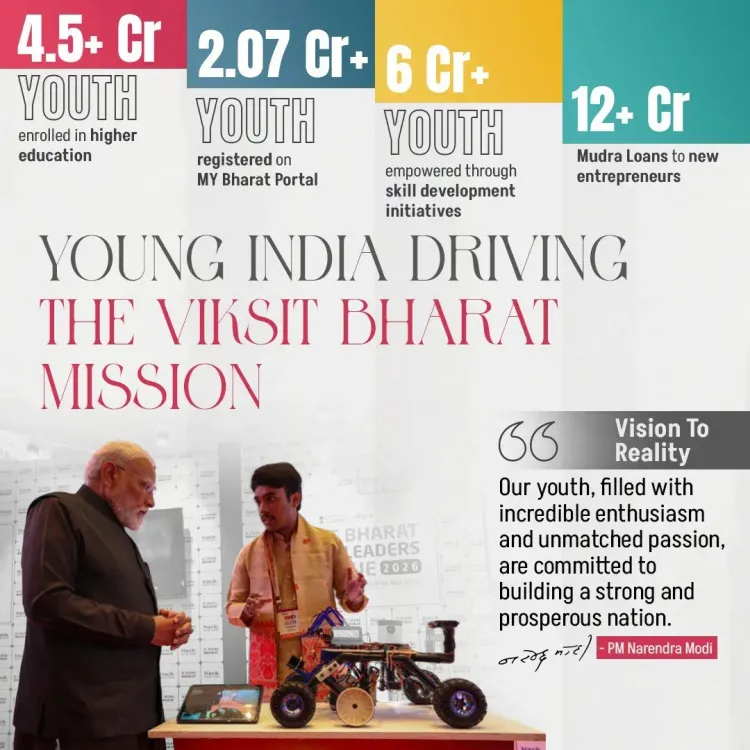
Sawant's post frames youth advancement not as organic momentum but as a policy outcome, stating: 'The rise of Young India is not accidental, it is the result of sustained investments in education, skilling, entrepreneurship, employment, innovation and sports at an unprecedented scale.' The remarks came alongside four images and were tagged with the hashtag #12YearsOfYuvaShakti, situating them within a broader campaign marking a milestone in youth-focused governance.
The Goa Chief Minister attributed the transformation directly to Prime Minister Modi's leadership, pointing to world-class universities, Startup India, Skill India, Digital India and sports infrastructure as the primary vehicles of youth empowerment.
Policy Backdrop
Skill India Mission, launched in July 2015, was designed to provide large-scale vocational training through the National Skill Development Corporation, targeting millions of youth with industry-relevant competencies. Startup India, announced in January 2016, built an ecosystem for new ventures through tax benefits, simplified compliance and improved access to funding.
Digital India, inaugurated in July 2015, expanded broadband connectivity, e-governance platforms and digital literacy across the country. Together, these three flagship programmes have operated as interlocking pillars of a human-capital strategy that successive Union budgets have reinforced since 2014. The overarching framework is the Viksit Bharat 2047 vision — the central government's formally articulated goal of transforming India into a developed economy by the centenary of independence.
Stakeholders and Impact
The primary beneficiaries of the programmes Sawant cited are India's large youth cohort — university students, aspiring entrepreneurs, first-generation job-seekers and athletes seeking institutional support. India's demographic dividend, with a median age well below that of most major economies, has made youth-focused policy a consistent priority across successive budgets and economic surveys.
Sawant invoked the concept of Amrit Peedhi — the generation of Indians who will witness the centenary of independence in 2047 — to anchor individual milestones (a university built, a startup launched, a skill acquired, a job created) within a long-term national narrative. 'Every university built, every startup launched, every skill acquired and every job created adds to the larger story of India's Amrit Peedhi stepping forward with confidence, innovation and ambition,' he wrote.
What's Next
Performance benchmarks for Skill India, Startup India and Digital India are typically reviewed in the annual Economic Survey and in parliamentary standing committee reports, with the next cycle expected to assess progress against Viksit Bharat 2047 targets. As state governments align their own budgets with central scheme frameworks, Goa's own education and skilling allocations will be watched for how they translate the national vision into state-level delivery. Sawant's public endorsement signals continued political momentum behind the youth-empowerment agenda heading into the second half of the decade.
Point of View
He reinforces the BJP's electoral positioning on the demographic dividend — a theme that has grown more prominent as India's youth unemployment discourse intensifies. The invocation of Viksit Bharat 2047 also signals that the long-term development vision is being actively embedded in sub-national political communication, not just Union government messaging. Whether state delivery on Skill India and Startup India matches the rhetorical ambition will be the real test of this alignment.
NationPress
13 Sept 2026
Frequently Asked Questions
What is Viksit Bharat 2047?
Viksit Bharat 2047 is the Indian central government's official vision to transform India into a fully developed economy by 2047, the centenary of the country's independence.
What is Skill India Mission?
Skill India Mission, launched in July 2015, is a central government programme that provides vocational and industry-relevant training to millions of Indian youth through the National Skill Development Corporation.
What is Startup India?
Startup India, announced in January 2016, is a government initiative that supports new ventures through tax benefits, simplified regulatory compliance and improved access to funding and mentorship.
What did Goa CM Pramod Sawant say about India's youth?
On June 13, 2026, Sawant stated that the rise of Young India is not accidental but the result of sustained investments in education, skilling, entrepreneurship, employment, innovation and sports under PM Modi's leadership.
What is Amrit Peedhi?
Amrit Peedhi refers to the generation of Indians who will be alive during India's centenary of independence in 2047 and who are expected to lead the country's transformation into a developed nation.