CM Sawant Takes Sarkar Tumchya Daari to Navelim
Synopsis
Goa Chief Minister Pramod Sawant visited Navelim on November 11, 2026 for a Sarkar Tumchya Daari session, directing engineers and officials to prioritise development works and fast-track residence and income certificates for local residents and panchayat members.
Key Takeaways
Goa CM Pramod Sawant conducted a Sarkar Tumchya Daari outreach session in Navelim, South Goa on November 11, 2026 .
Navelim MLA Ulhas Tuenkar and state field officials accompanied the Chief Minister during the citizen interaction.
Sawant directed engineers and functionaries to prioritise major development works and expedite residence and income certificates .
Concerns raised by Panchas and Sarpanchas were taken up directly, with instructions for timely action issued on the spot.
Sarkar Tumchya Daari has been a core CM-level outreach mechanism in Goa since Sawant assumed office in 2019 .
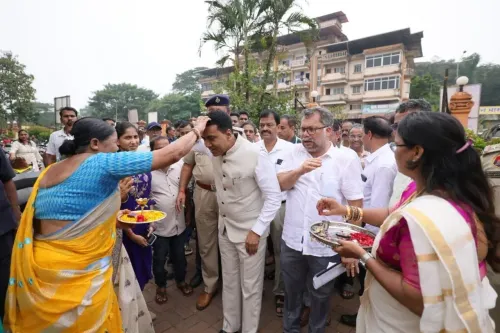
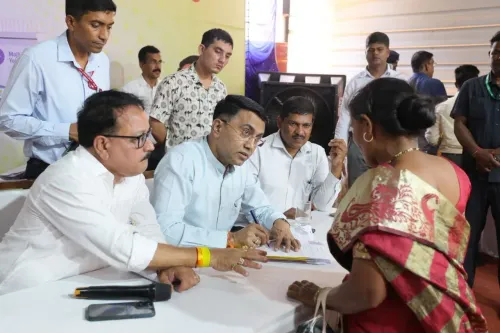
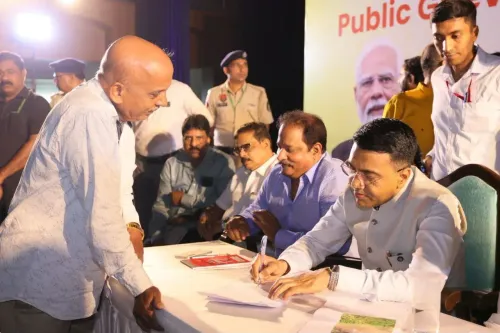
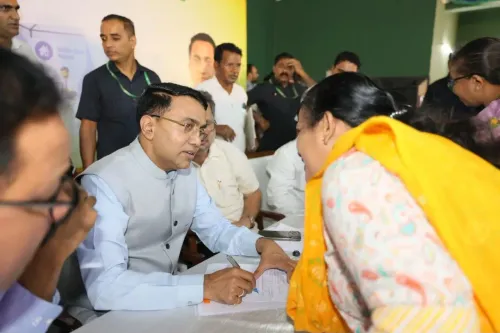
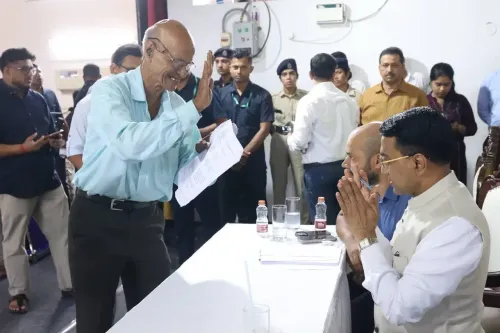
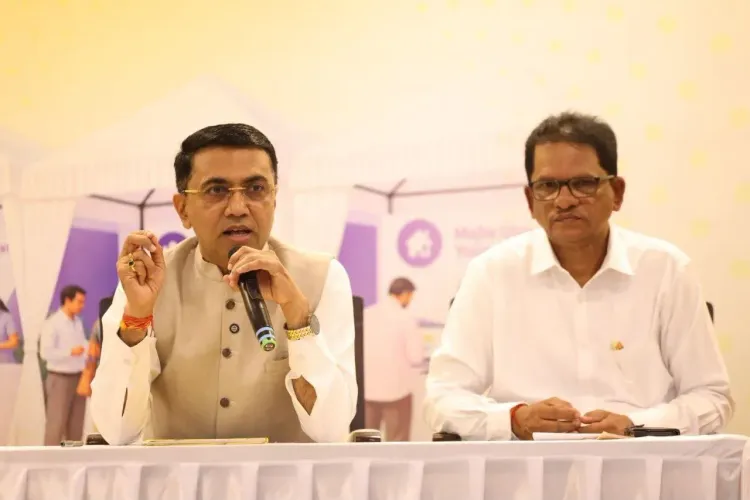
Governance walked into Navelim's neighbourhoods on Wednesday, November 11, 2026, as Goa Chief Minister Pramod Sawant held a direct citizen interaction under the state's doorstep outreach programme Sarkar Tumchya Daari — fielding grievances in person alongside Navelim MLA Ulhas Tuenkar and a battery of field officials.
What Navelim residents brought to the table
The session saw citizens raise a familiar mix of village-level concerns: pending residence and income certificates, unresolved panchayat issues flagged by Panchas and Sarpanchas, and stalled local development works. CM Sawant heard them out — and then moved from listening to directing, instructing field functionaries and engineers on the spot to prioritise major infrastructure work and fast-track certificate processing without delay.
Sarkar Tumchya Daari — governance by foot, not file
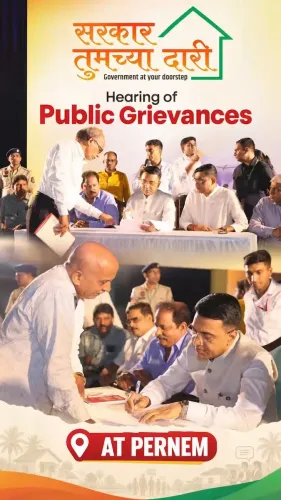
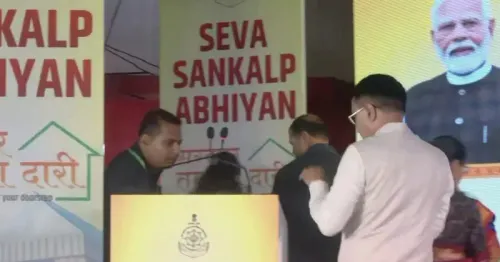
Sarkar Tumchya Daari ('government at your doorstep') is Goa's structured mechanism for bringing CM-level administrative accountability directly to panchayat communities. Running since Sawant took office in 2019, the programme is designed to cut through the bureaucratic distance that typically separates a villager's complaint from a decision-maker's ear. Rather than waiting for grievances to climb the hierarchy, officials — and sometimes the chief minister himself — travel to the constituency.
The Navelim stop fits a pattern seen across BJP-governed states: chief ministers using localised, high-visibility outreach sessions to signal administrative responsiveness, particularly around bread-and-butter issues like documentation and rural infrastructure. The presence of the sitting MLA alongside senior officials adds a layer of local political accountability to what might otherwise be a purely bureaucratic exercise.
Engineers on notice, panchayat leaders heard
The clearest signal from the November 11 session came in Sawant's public directions to engineers — not a memo sent later, but an instruction delivered in front of the very citizens who raised the concern. That theatrics of accountability, deliberate or not, is precisely the point of doorstep governance: the official is seen being told, as much as the citizen is heard speaking. Whether certificate timelines and development works in Navelim actually accelerate will be the real measure of the day's value.
For now, South Goa's panchayat belt has had its moment at the front of the queue — and the CM has his next constituency on the calendar.
Point of View
The BJP frames governance as accessible and unmediated, particularly in panchayat belts where documentation delays are acutely felt. The Navelim visit, with an MLA in tow and engineers publicly directed, reinforces local accountability chains ahead of whatever the electoral calendar brings to Goa. The programme's real test, however, lies not in the optics of the session but in whether certificate processing and infrastructure delivery in Navelim measurably improve in the weeks that follow — a gap between promise and performance that doorstep outreach alone cannot close.
NationPress
11 Nov 2026
Frequently Asked Questions
What is Sarkar Tumchya Daari in Goa?
Sarkar Tumchya Daari is a Goa government programme meaning 'government at your doorstep,' under which the Chief Minister and senior officials travel directly to constituencies to hear citizen grievances, issue on-the-spot directions, and expedite administrative services like certificates and development works.
Why did CM Pramod Sawant visit Navelim on November 11, 2026?
CM Pramod Sawant visited Navelim to hold a Sarkar Tumchya Daari grievance redressal session, interacting with residents alongside MLA Ulhas Tuenkar and directing officials to prioritise development work and fast-track residence and income certificates.
Who is Ulhas Tuenkar?
Ulhas Tuenkar is the MLA associated with the Navelim constituency in Goa, who participated in the November 11 Sarkar Tumchya Daari session alongside Chief Minister Pramod Sawant.
What issues were raised at the Navelim Sarkar Tumchya Daari session?
Citizens and panchayat members including Panchas and Sarpanchas raised concerns about pending residence and income certificates, stalled development works, and local governance issues, all of which CM Sawant directed field functionaries and engineers to address promptly.
How long has Sarkar Tumchya Daari been running in Goa?
The programme has been a part of Goa's citizen-centric governance approach since Chief Minister Pramod Sawant took office in 2019, with regular constituency-level rollouts across the state.