CM Conrad Sangma flags off Wangala Golden Jubilee with ₹6.26 Cr grant
Synopsis
Meghalaya CM Conrad Sangma celebrated the Golden Jubilee of Wangala A'dam at Garo Heritage Village, Chibragre with a 1,000-Drums spectacle and announced a ₹6.26 crore state grant to fund celebrations and long-term preservation of A'chik language, oral traditions and cultural infrastructure.
Key Takeaways
Meghalaya CM Conrad Sangma attended the Golden Jubilee of Wangala A'dam at Garo Heritage Village, Chibragre on 11 November 2026 .
The state government has sanctioned ₹6.26 crore towards this year's Wangala celebrations.
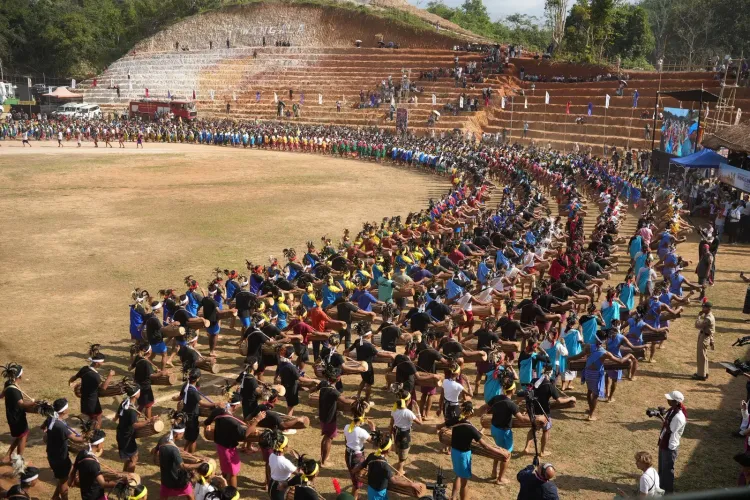
The 1,000-Drums edition of the Wangala Dance was performed as a special tribute to the Golden Jubilee milestone.
The government committed to preserving A'chik history, language, oral traditions, music, dance and indigenous knowledge through research, documentation and cultural infrastructure.
Union Minister Jyotiraditya Scindia and central tourism handles were tagged, signalling a push for national-level visibility and possible central support.
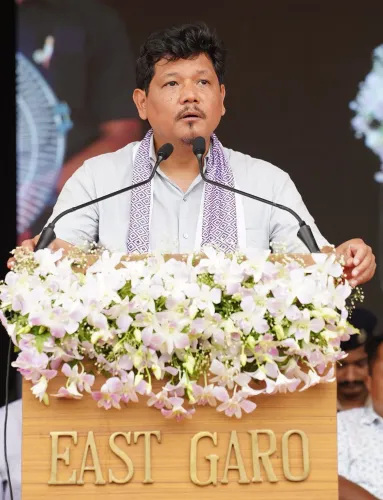
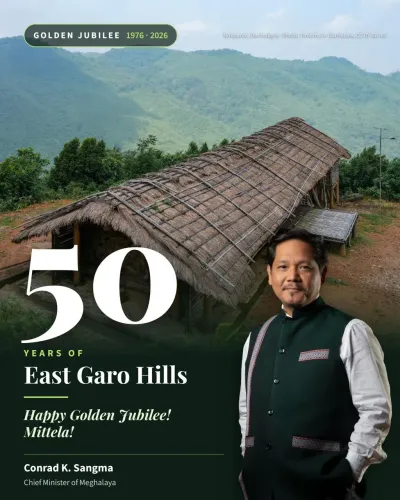
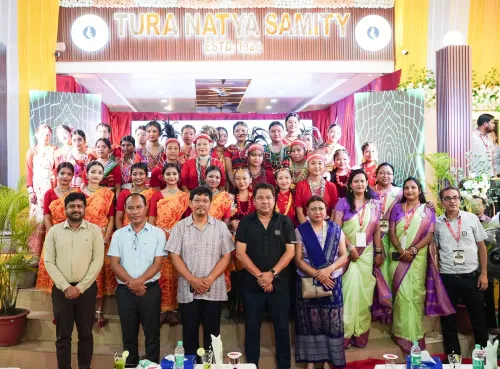
A thousand drums did not just beat — they roared. Meghalaya Chief Minister Conrad Sangma marked the Golden Jubilee of Wangala A'dam at Garo Heritage Village, Chibragre, as the iconic Wangala Dance thundered to life on Wednesday, 11 November 2026, with the state government backing the celebrations with a sanction of ₹6.26 crore.
Wangala — the annual harvest festival of the Garo, or A'chik, community — marks the close of the agricultural season with traditional dance, ritual, and the resonant beat of the drum. 'The beating of the drums is the heartbeat of A'chik culture,' Sangma wrote on X, 'reflecting the rich traditions, identity and spirit of our people.' The Golden Jubilee edition raised the stakes: the 1,000-Drums spectacle at Wangala A'dam was a deliberate statement of scale and pride.
₹6.26 crore and a mandate to preserve A'chik heritage
The funding goes beyond the festival stage. Sangma announced the state's commitment to preserving A'chik history, language, oral traditions, music, dance and indigenous knowledge through research, documentation and dedicated cultural infrastructure. That four-part pledge — research, documentation, infrastructure, knowledge systems — signals a longer institutional agenda, not a one-year grant.
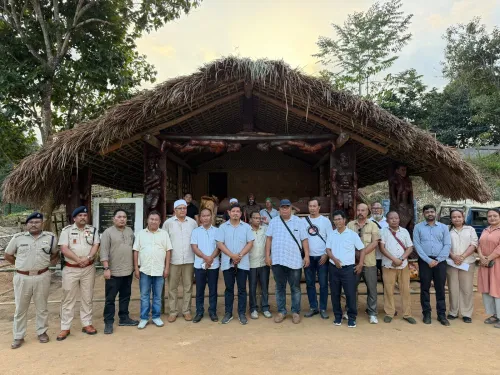
The Meghalaya government has periodically channelled support toward tribal festivals and cultural sites across the Garo Hills region, weaving together two goals: strengthening indigenous identity and building a tourism economy that runs on living culture rather than monuments. Garo Heritage Village, Chibragre was conceived precisely as that kind of anchor — a space where performing arts, oral traditions and community memory can be showcased and safeguarded simultaneously.
Centre in the frame: Scindia and national tourism linkage
Sangma tagged Union Minister Jyotiraditya Scindia alongside the central and state tourism handles, a deliberate signal that the state is seeking national visibility — and potentially central co-funding — for the Wangala ecosystem. Northeast India's cultural festivals have increasingly figured in India's inbound tourism pitch, and a Golden Jubilee edition carrying this kind of investment could attract that larger policy conversation.
The watch point now is delivery: whether the sanctioned ₹6.26 crore translates into the documentation centres, digital archives and performance spaces the pledge envisions — or remains a headline number. For the A'chik community, the drums have already spoken. The government's answer will come in brick, byte and budget line.
Point of View
Sangma is signalling that Wangala should graduate from a regional festival to a nationally promoted heritage event — a template other Northeastern states have used to draw both footfall and central funds. The four-part preservation pledge mirrors the language of recent national cultural mission frameworks, suggesting alignment with Union priorities. How quickly the sanctioned funds translate into tangible documentation infrastructure will reveal whether this is a durable policy commitment or a Golden Jubilee flourish.
NationPress
11 Nov 2026
Frequently Asked Questions
What is the Wangala festival and why is it important?
Wangala is the annual harvest festival of the Garo, or A'chik, community of Meghalaya. It marks the end of the agricultural season and is celebrated with traditional dances, rituals and the iconic beat of ceremonial drums, making it a central expression of Garo cultural identity.
How much money has the Meghalaya government sanctioned for Wangala 2026?
The Meghalaya government has sanctioned ₹6.26 crore towards the Wangala celebrations in 2026, as announced by Chief Minister Conrad Sangma.
What is Wangala A'dam and where is Garo Heritage Village?
Wangala A'dam is a large-format celebration of the Wangala festival, with the Golden Jubilee edition held at Garo Heritage Village, Chibragre — a cultural site in Meghalaya dedicated to showcasing and preserving Garo traditions, performing arts and history.
What is Conrad Sangma's plan for preserving Garo culture?
CM Conrad Sangma announced the state's commitment to preserving A'chik history, language, oral traditions, music, dance and indigenous knowledge through research, documentation and dedicated cultural infrastructure.
Why was Union Minister Jyotiraditya Scindia tagged in Conrad Sangma's Wangala post?
Scindia was tagged alongside central and state tourism handles, signalling that Meghalaya is seeking national visibility and potential central government support for Wangala as a heritage tourism event.