CM Conrad Sangma invites all to Wangala Festival's Golden Jubilee
Synopsis
Meghalaya CM Conrad Sangma announces the Wangala Festival's Golden Jubilee, scaling its signature drumming from 100 to 1,000 drums at Chibragre, West Garo Hills from November 11-14, 2026, with backing from central tourism and Northeast development ministries.
Key Takeaways
The Wangala Festival is marking its 50th edition (Golden Jubilee) in 2026.
The iconic drumming lineup grows from 100 Drums to a record 1,000 Drums this year.
The event runs from 11 to 14 November 2026 at Wangala A•dam, Chibragre, West Garo Hills, Meghalaya .
CM Conrad Sangma has personally invited the public and tagged central ministries including MDoNER and Ministry of Tourism for national support.
Wangala is the harvest festival of the Garo people , celebrated in honour of the sun god Saljong, and is central to Garo cultural identity across Meghalaya, Assam, and Tripura.
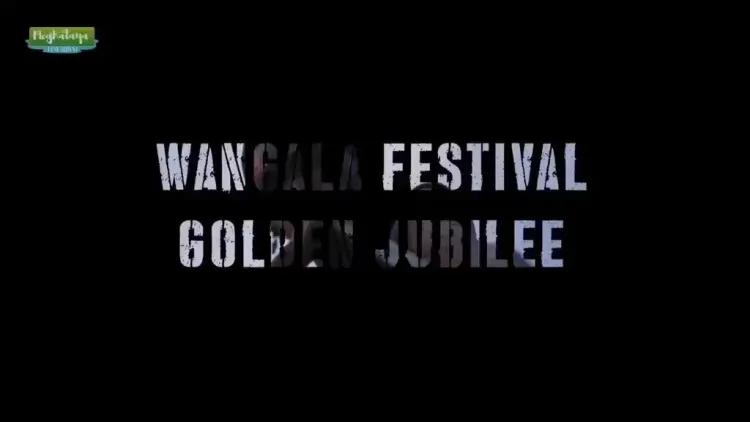
Ten times the drums, ten times the thunder — Meghalaya Chief Minister Conrad Sangma has announced that the iconic Wangala Festival is marking its Golden Jubilee this year, scaling from the traditional 100 Drums to a landmark 1,000 Drums celebration, inviting the country to witness the living heartbeat of Garo culture.
From 100 to 1,000: What the Golden Jubilee means for Wangala
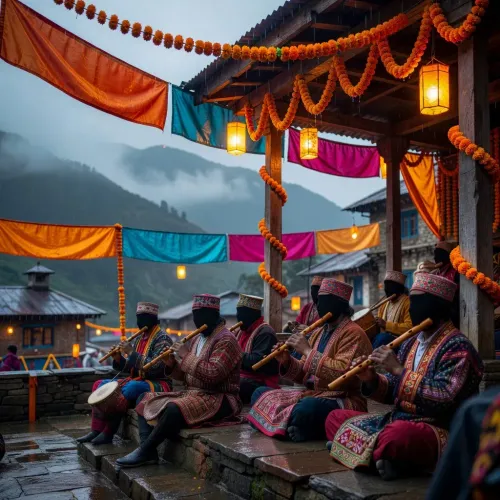
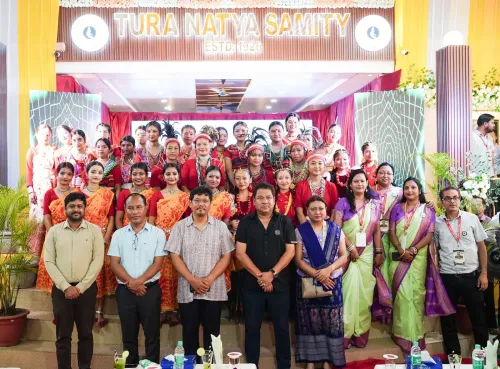
The Wangala Festival — known as the 'Harvest Festival of the Garo people' — is one of Northeast India's most visually and acoustically spectacular cultural events. Celebrated in honour of Saljong, the sun god of fertility in Garo belief, it traditionally features massed drumming, traditional dance, and vibrant costumes. The centrepiece has long been the '100 Drums' format, where rows of Garo drummers perform in unison — a sight and sound that has drawn visitors from across the country for decades.
This year's 50th edition — the Golden Jubilee — elevates that spectacle tenfold. 1,000 drums performing together at Wangala A•dam, Chibragre in West Garo Hills will mark a historic first for the festival, turning an already extraordinary cultural moment into something truly monumental.
Dates, venue, and who Conrad Sangma is calling in
The celebration is scheduled from 11 to 14 November 2026 at Chibragre, West Garo Hills, Meghalaya. CM Sangma's post tags the Ministry of Development of North Eastern Region (MDoNER), the Ministry of Tourism, Government of India, and Meghalaya Tourism — signalling that this is being positioned as a nationally supported cultural tourism event, not merely a local celebration.
The tagging of Jyotiraditya Scindia's handle (@JM_Scindia) — who currently holds the Civil Aviation portfolio — alongside tourism and Northeast development ministries suggests the state is actively pushing for stronger central visibility and tourist connectivity for the event.
Wangala's place in India's Northeast cultural calendar
The Wangala Festival sits at the heart of Garo identity across West Garo Hills, East Garo Hills, and South Garo Hills districts of Meghalaya, as well as among Garo communities in Assam and Tripura. For decades, it has functioned as both a religious observance and a powerful affirmation of Garo tribal heritage — one that the state government has worked to project onto a national and international stage through cultural tourism. A Golden Jubilee at this scale is a statement: the Garo people's tradition is not fading; it is amplifying.
If 1,000 drums land in unison at Chibragre this November, the hills of West Garo Hills won't just echo — they'll announce.
Point of View
Not just a state-level celebration. For the NPP and Meghalaya's government, amplifying Garo cultural identity on a pan-India stage serves a dual purpose: deepening political goodwill in tribal constituencies while positioning the Northeast as a must-visit destination under India's broader tourism push. The tenfold scale-up of the drums is also a powerful piece of soft diplomacy — signalling to Delhi and the country that Meghalaya's indigenous culture is vibrant, growing, and deserving of sustained federal investment.
NationPress
9 Oct 2026
Frequently Asked Questions
What is the Wangala Festival?
The Wangala Festival is the harvest festival of the Garo people of Meghalaya, celebrated in honour of Saljong, the Garo sun god of fertility. It is known for its mass drumming, traditional dance, and colourful costumes, and is one of the most prominent tribal cultural events in Northeast India.
When and where is the Wangala Festival 2026?
The Wangala Festival 2026 Golden Jubilee will be held from 11 to 14 November 2026 at Wangala A•dam, Chibragre, West Garo Hills, Meghalaya.
Why is the Wangala Festival 2026 special?
2026 marks the 50th edition — the Golden Jubilee — of the Wangala Festival. The celebration will feature 1,000 drums performing together, up from the traditional 100 Drums format, making it the largest drumming performance in the festival's history.
Who is organising the Wangala Festival 2026?
Meghalaya Chief Minister Conrad Sangma is championing the event, with support tagged from the Ministry of Tourism (Government of India), the Ministry of Development of North Eastern Region (MDoNER), and Meghalaya Tourism.
How can I attend the Wangala Festival in West Garo Hills?
The festival is open to the public at Wangala A•dam, Chibragre, West Garo Hills, Meghalaya from November 11-14, 2026. Visitors can check with Meghalaya Tourism for travel and accommodation details.