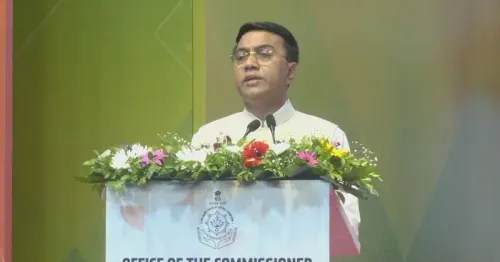
CM Sawant hails Salaulim Dam overflow, water security for South Goa
Synopsis
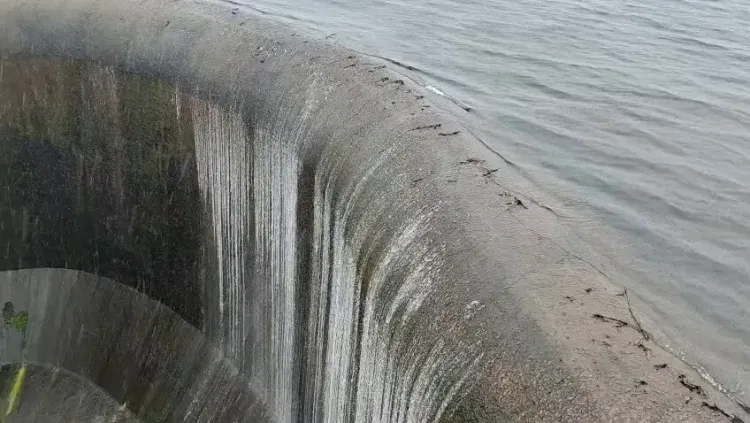
Goa Chief Minister Pramod Sawant celebrated Salaulim Dam overflowing on 30 July 2026, calling it a sign of water security for South Goa and the Kushawati region. The state's largest reservoir is the primary source of drinking water and irrigation for the area.
Key Takeaways
Salaulim Dam , Goa's largest reservoir, overflowed as of 30 July 2026 , according to CM Pramod Sawant's post on X.
The dam is the primary drinking water and irrigation source for South Goa district and the Kushawati river basin.
CM Sawant described the overflow as 'a sight that brings confidence and cheer,' framing it as a water-security milestone.
Goa's water supply is heavily dependent on seasonal monsoon inflows stored in its reservoir network.
State water department reports on reservoir drawdown and supply distribution will be the key indicators to watch in coming months.
Goa's largest reservoir is full to the brim — and Chief Minister Pramod Sawant wants the state to know it. On Thursday, 30 July 2026, the CM took to X to celebrate Salaulim Dam overflowing, calling it 'a sight that brings confidence and cheer' and signalling a season of water security for South Goa and the Kushawati region.
Goa's water lifeline running over
Salaulim Dam, situated in South Goa district, is the state's single largest reservoir and the backbone of drinking water and irrigation supply across the region. When it overflows, it is not merely a monsoon milestone — it is a direct assurance to farmers in the Kushawati river basin and to urban and rural households across South Goa that taps will run and fields will drink through the dry months ahead.
CM Sawant's post captured that relief plainly: 'Every drop today strengthens tomorrow.' The line is brief, but the stakes it gestures at are real — Goa's water network is almost entirely dependent on seasonal monsoon inflows stored in its reservoir system, making a full Salaulim a critical buffer against summer scarcity.
What overflow means for South Goa and Kushawati farmers
For residents and cultivators in South Goa, a brimming Salaulim reservoir translates into extended supply security well beyond the monsoon. The dam feeds both drinking-water pipelines and irrigation channels that serve the Kushawati basin — a region whose agricultural calendar hinges on assured water availability. State water department officials will now track distribution schedules and reservoir drawdown rates in the months ahead to optimise that stored bounty.
Goa's state administrations have long used reservoir-level updates as public indicators of water security during strong rainfall years. Sawant's post follows that pattern — a routine but genuinely consequential infrastructure signal, not a new scheme or policy announcement.
A full Salaulim is the kind of good news that rarely makes front pages but quietly shapes daily life for hundreds of thousands. The real test begins when the monsoon retreats.
Point of View
Own the security narrative. For a BJP administration in Goa heading into future electoral cycles, visible water security in South Goa, a district with significant rural and agrarian constituencies, is a useful political asset. The Kushawati framing is deliberate: it broadens the announcement beyond urban consumers to farmers, a group that responds strongly to water-access signals. The post carries no new policy — but in infrastructure communication, a full dam is its own announcement.
NationPress
31 Jul 2026
Frequently Asked Questions
Why is Salaulim Dam important for Goa?
Salaulim Dam is Goa's largest reservoir and the primary source of drinking water and irrigation for South Goa district and the Kushawati river basin, making its water levels critical to the state's year-round water security.
What did CM Pramod Sawant say about Salaulim Dam overflowing?
CM Pramod Sawant posted on X on 30 July 2026 that Salaulim Dam is overflowing, calling it 'a sight that brings confidence and cheer' and saying it ushers in water security for South Goa and the Kushawati region.
Where is Salaulim Dam located?
Salaulim Dam is located in South Goa district, Goa, India.
How does Salaulim Dam overflow benefit Kushawati region farmers?
When Salaulim Dam overflows, it ensures extended water availability through irrigation channels that serve the Kushawati river basin, helping farmers secure water for their crops beyond the monsoon season.
Is Salaulim Dam overflowing in 2026?
According to a post by Goa Chief Minister Pramod Sawant on 30 July 2026, Salaulim Dam is overflowing, which he described as a sign of water security for South Goa and the Kushawati region.