CM Sawant marks 150 years of Vande Mataram in Panaji
Synopsis
Goa Chief Minister Pramod Sawant attended Har Ghar Tiranga 2026 celebrations at Institute Menezes Braganza, Panaji, marking 150 years of Vande Mataram. He paid tributes to freedom fighters and urged younger generations to carry forward values of patriotism and national service toward the Viksit Bharat 2047 vision.
Key Takeaways
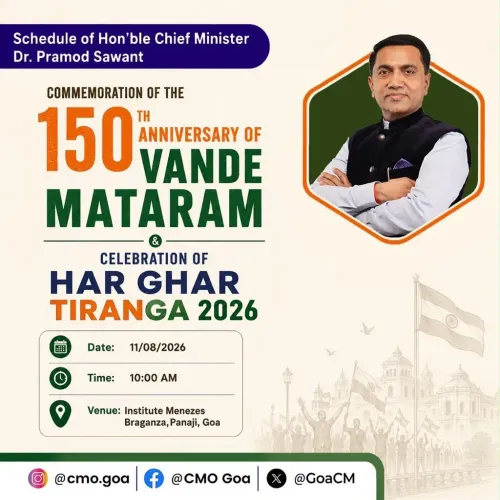
Goa CM Pramod Sawant attended the Har Ghar Tiranga 2026 event at Institute Menezes Braganza, Panaji on 11 August 2026 .
Vande Mataram , composed in 1876 by Bankim Chandra Chattopadhyay, completes 150 years this year.
The event brought together citizens and students to honour the national song and the freedom movement.
Har Ghar Tiranga was first launched in 2022 as part of Azadi Ka Amrit Mahotsav marking 75 years of independence.
Sawant linked the commemoration to the Viksit Bharat 2047 vision, calling on youth to embrace patriotism and national service.
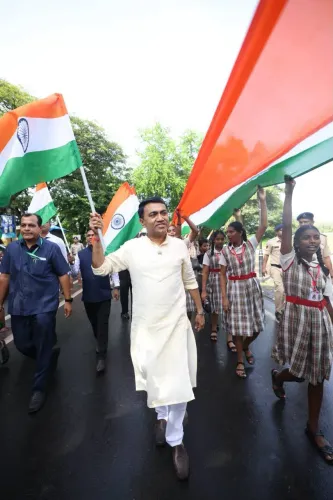
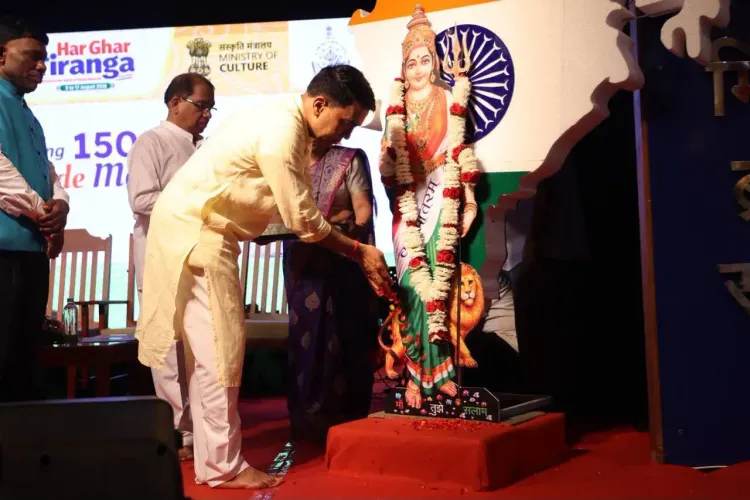
One hundred and fifty years after Bankim Chandra Chattopadhyay first gave India its national song, Goa Chief Minister Pramod Sawant stood at the historic Institute Menezes Braganza in Panaji on Tuesday, 11 August 2026, alongside citizens and students, to honour the enduring call of Vande Mataram.
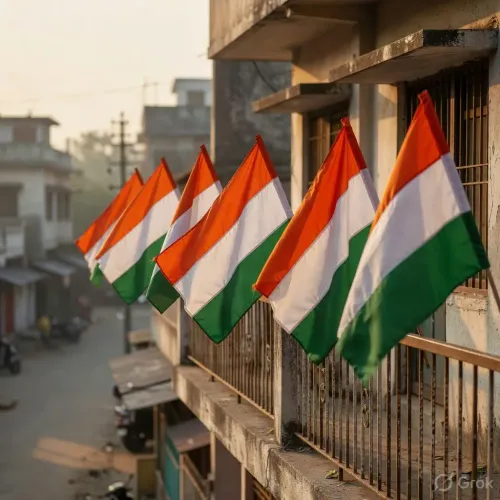
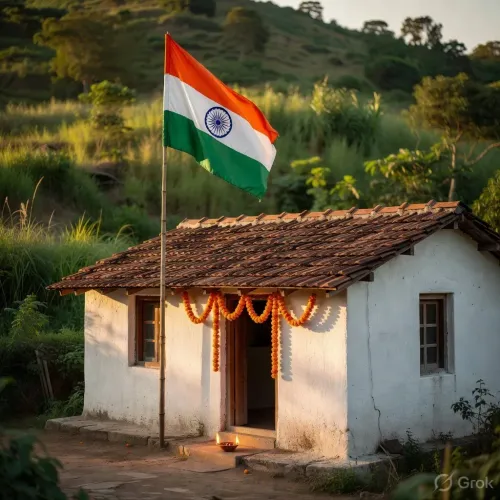
The event was part of the #HarGharTiranga 2026 celebrations, the national campaign that urges every Indian household to fly the tricolour. Sawant offered tributes to Bharat Mata and invoked the memory of freedom fighters whose sacrifices, he said, 'shaped an independent India.'
A 150-year-old song still at the centre of national life
Vande Mataram was composed in 1876 and became an anthem of the independence movement long before the nation itself was born. Its sesquicentennial falls in a year when India is midway through the decade leading to 2047 — the centenary of independence and the target year for the Viksit Bharat vision articulated by the central government as its long-term development roadmap.
That convergence is not accidental. State governments across India have increasingly used anniversaries of 19th-century nationalist symbols to stitch together the freedom movement's memory and contemporary nation-building goals. Goa's event at Institute Menezes Braganza — a cultural landmark in Panaji with its own history of hosting literary and patriotic gatherings — fits squarely in that pattern.
Har Ghar Tiranga's evolving reach in Goa
Har Ghar Tiranga was launched nationally in 2022 under the Azadi Ka Amrit Mahotsav umbrella to mark 75 years of independence. Four years on, the campaign has become an annual fixture, with state administrations expanding its footprint into schools, local bodies, and community programmes.
Sawant called on younger generations to 'embrace the values of patriotism, unity, discipline and national service, carrying forward the legacy of our freedom movement with pride and responsibility.' The address at a student-heavy gathering signals the state's intent to anchor the campaign in educational settings as much as in public squares.
As August 2026 unfolds, the question for Goa is whether Har Ghar Tiranga activities expand further into school curricula and panchayat-level programmes — turning a symbolic moment into a sustained civic habit ahead of 2047.
Point of View
Giving cultural patriotism a policy anchor. By choosing Institute Menezes Braganza — a venue with its own colonial-era heritage — and centering students, Sawant signals that Goa's commemorations are aimed at generational continuity, not just annual ritual. The Har Ghar Tiranga campaign's evolution from a one-off 75th-anniversary drive into a recurring civic fixture illustrates how symbolic campaigns get institutionalised over successive years. The 150th anniversary of Vande Mataram gives that arc a fresh milestone, reinforcing the BJP's broader cultural-patriotism messaging ahead of the 2047 centenary.
NationPress
11 Aug 2026
Frequently Asked Questions
What is the significance of Vande Mataram's 150th anniversary in 2026?
Vande Mataram was composed by Bankim Chandra Chattopadhyay in 1876, making 2026 its 150th anniversary. The song became a rallying anthem of India's independence movement and remains the national song of India.
What is the Har Ghar Tiranga campaign?
Har Ghar Tiranga is a national campaign launched in 2022 under Azadi Ka Amrit Mahotsav, encouraging every Indian household to hoist the tricolour. It has since become an annual August tradition promoted by both central and state governments.
Where is Institute Menezes Braganza in Panaji?
Institute Menezes Braganza is a historic cultural institution in Panaji, Goa, known for hosting literary, patriotic, and civic events. It is one of the prominent heritage venues in the state capital.
What is Viksit Bharat 2047?
Viksit Bharat 2047 is the central government's long-term vision to make India a fully developed nation by 2047, the centenary of independence. It was articulated from 2023 onwards as an overarching development roadmap.
What did Goa CM Pramod Sawant say at the Vande Mataram event?
CM Sawant called on younger generations to embrace patriotism, unity, discipline, and national service, and urged every home to hoist the tricolour, describing Vande Mataram as 'the soul of India's freedom movement and a timeless call for national unity.'