CM Bhajan Lal Empowers Collectors, Opens Fodder Depots in Barmer-Jaisalmer
Synopsis
Rajasthan CM Bhajan Lal Sharma has authorised district collectors in affected areas to sanction relief works up to ₹1 crore, announced fodder depots in Barmer-Jaisalmer, and guaranteed tanker-based drinking water supply through 31 December 2026 to address acute scarcity in the state's western districts.
Key Takeaways
District collectors in affected Rajasthan districts can now sanction works worth up to ₹1 crore independently to accelerate emergency relief.
Fodder depots will be opened specifically in Barmer and Jaisalmer districts to support livestock-dependent communities.
Tanker-based drinking water supply is guaranteed for areas in need through 31 December 2026 .
The measures target drought-affected farmers and livestock owners in Rajasthan's chronically arid western belt.
Delegating financial sanction powers to collectors is designed to cut bureaucratic lag during scarcity emergencies.
In the parched western reaches of Rajasthan, where livestock outnumber water sources and summers can turn lethal, Rajasthan Chief Minister Bhajan Lal Sharma on Wednesday, 30 September 2026 announced a package of emergency relief measures targeting the state's most drought-vulnerable districts — pushing decision-making power closer to the ground and guaranteeing water supply through 31 December 2026.
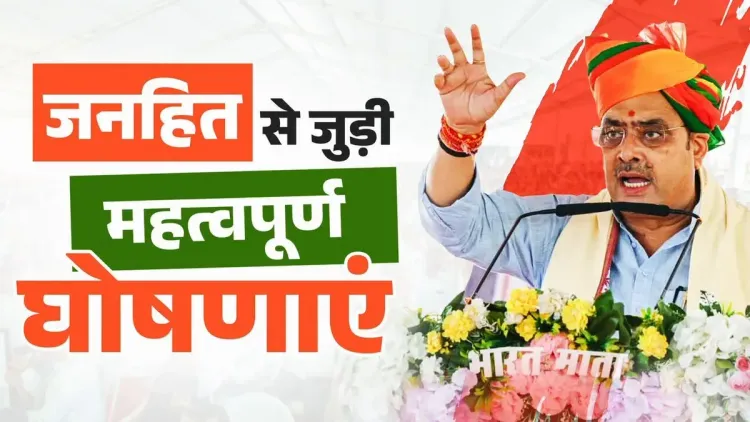
Posting on X, CM Sharma stated: 'District Collectors of affected districts have been given the authority to sanction works worth up to ₹1 crore to accelerate public-interest projects and ensure swift relief in emergency situations. Fodder depots will be opened in Barmer-Jaisalmer, and drinking water supply through tankers will be ensured in areas of need until 31 December 2026. Keeping the needs of the common people in mind, our government is taking necessary steps with sensitivity and urgency.' (मूल हिंदी में: 'आमजन की आवश्यकताओं को ध्यान में रखते हुए हमारी सरकार संवेदनशीलता और तत्परता के साथ आवश्यक कदम उठा रही है।')
Why Barmer and Jaisalmer Are Always the First Names Called
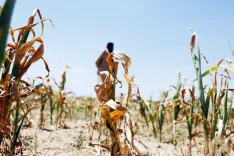
Barmer and Jaisalmer sit deep in the Thar Desert — two of Rajasthan's most arid districts, where rainfall is chronically low and livestock-dependent livelihoods hang on the availability of fodder and drinking water. When scarcity strikes, the consequences ripple fast: cattle die, farmers lose their primary asset, and villages dependent on tankers can go days without potable water.
State governments across administrations have repeatedly turned to emergency fodder depots and tanker networks as the first line of defence in these districts. What the Sharma government is adding this time is a structural acceleration: by empowering district collectors to clear works up to ₹1 crore without routing approvals through higher bureaucratic tiers, the state is cutting the lag between a crisis appearing and relief reaching the field.
The ₹1 Crore Collector Sanction — What It Changes on the Ground
In normal administrative practice, district-level officials must escalate financial approvals beyond a set threshold to state-level departments — a process that can take days or weeks during a crisis. Granting collectors direct sanction authority up to ₹1 crore in affected districts compresses that timeline dramatically, allowing local administrators to commission water infrastructure repairs, temporary supply arrangements, or community relief works on the spot.
This kind of delegated authority has precedent in Rajasthan's drought-response playbook, but its formal restatement signals that the government is treating current conditions in the affected districts as acute enough to warrant fast-track powers. The measure directly benefits drought-affected farmers and livestock owners who cannot afford to wait for bureaucratic cycles to complete.
Tanker Supply Guaranteed Until December 2026 — The Stakes of That Deadline
Committing tanker-based drinking water supply through 31 December 2026 is a forward-looking guarantee that covers the remainder of the year, including the post-monsoon dry period when groundwater tables in western Rajasthan typically remain depleted. The deadline gives affected communities a clear assurance horizon while placing the government on record for delivery.
The fodder depot network in Barmer-Jaisalmer addresses the livestock side of the equation — ensuring that even if pasture land remains bare, cattle owners have an accessible, state-subsidised supply point to fall back on. For communities where a single animal can represent years of savings, that depot can be the difference between recovery and ruin.
The real test, as always in western Rajasthan, will be implementation speed — whether depots open before fodder stocks run critically low, and whether tanker routes reach the last mile. The government has now set those expectations in public.
Point of View
The Sharma government is making a calculated bet that decentralised decision-making outperforms state-level bottlenecks in crisis response — a governance philosophy that has gained traction across Indian states in disaster management contexts. The Barmer-Jaisalmer focus is politically as well as administratively logical: these are constituencies where rural distress translates quickly into electoral sentiment, and a visible, time-bound relief commitment before year-end keeps the BJP's rural support base in the Thar region intact. The December 2026 tanker deadline also sets a measurable accountability marker that opposition parties and civil society can track. Whether the package represents a genuine administrative upgrade or a repackaging of existing drought-response tools will depend entirely on how fast depots open and how reliably tankers run.
NationPress
30 Sept 2026
Frequently Asked Questions
What powers have been given to district collectors in Rajasthan for drought relief?
District collectors in affected Rajasthan districts have been authorised to sanction public-interest and emergency relief works worth up to ₹1 crore without requiring higher-level approval, allowing faster ground-level response.
Where will fodder depots be opened in Rajasthan?
Fodder depots will be opened in Barmer and Jaisalmer districts in western Rajasthan to support livestock owners facing scarcity of animal feed.
How long will tanker water supply continue in Rajasthan's affected areas?
The Rajasthan government has committed to ensuring tanker-based drinking water supply in areas of need through 31 December 2026.
Why are Barmer and Jaisalmer frequently affected by drought in Rajasthan?
Barmer and Jaisalmer lie in the Thar Desert and experience chronically low rainfall, making them among Rajasthan's most arid districts with recurrent shortages of water and fodder for livestock.
Who announced the drought relief measures for western Rajasthan in 2026?
Rajasthan Chief Minister Bhajan Lal Sharma announced the measures on 30 September 2026, posting details of the relief package on X.