CM Bhajan Lal Sharma extends Chhath Puja Usha Arghya wishes
Synopsis
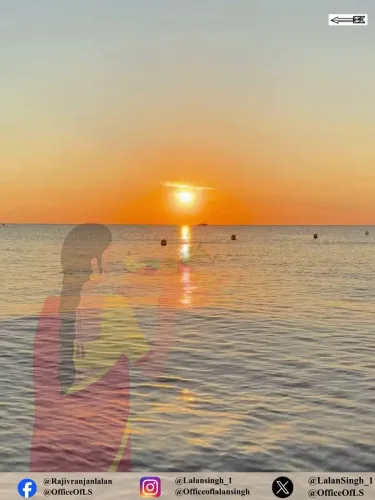
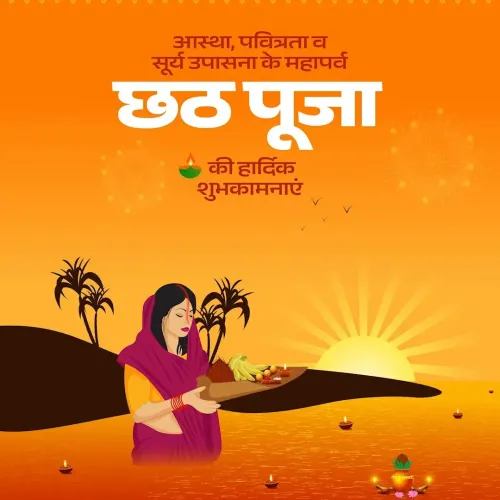
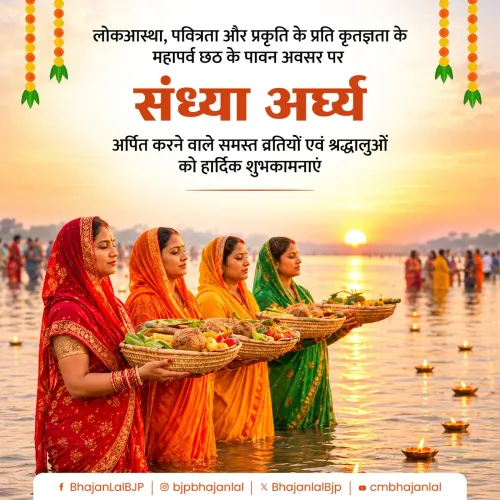
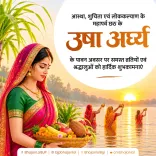
Rajasthan Chief Minister Bhajan Lal Sharma greeted Chhath Puja devotees on the auspicious Usha Arghya on 16 November 2026, praying to Chhathi Maiya and Suryadev for the happiness, health, and prosperity of all.
Key Takeaways
Rajasthan CM Bhajan Lal Sharma posted Chhath Puja greetings on 16 November 2026 marking the Usha Arghya , the festival's dawn offering.
Chhath Puja is a four-day Hindu festival honouring the Sun God and Chhathi Maiya, culminating in the pre-sunrise Usha Arghya ritual.
The CM prayed for the happiness, prosperity, good health, and auspicious life of all devotees.
Chhath has a growing following in Rajasthan among migrant communities from Bihar and eastern Uttar Pradesh.
The message reflects a broader pattern of Indian chief ministers acknowledging culturally diverse festivals to reach migrant and diaspora communities.
As the first light of dawn breaks over Rajasthan's ghats and makeshift river banks, Chhath devotees across the state have been standing in cold water since before sunrise — and Rajasthan Chief Minister Bhajan Lal Sharma marked the sacred Usha Arghya moment on Monday, 16 November 2026 with a warm message to every fasting devotee.
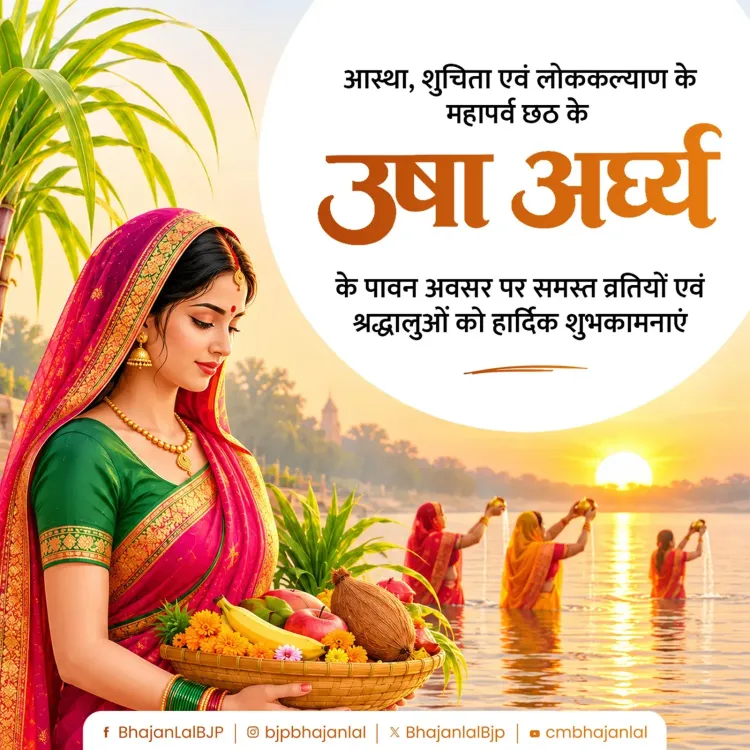
Posting in Hindi on X, CM Sharma wrote: 'आस्था, शुचिता एवं लोककल्याण के महापर्व छठ के पावन उषा अर्घ्य के अवसर पर समस्त व्रतियों एवं श्रद्धालुओं को हार्दिक शुभकामनाएं!' — 'Heartfelt greetings to all fasting devotees and worshippers on the sacred occasion of the Usha Arghya of Chhath, the great festival of faith, purity, and public welfare!' He added that he prays to Chhathi Maiya and Bhagwan Suryadev for the happiness, prosperity, good health, and an auspicious life of all.
What Usha Arghya means — and why it matters
Chhath Puja is a four-day festival dedicated to the Sun God and Chhathi Maiya, observed with particular fervour in Bihar and eastern Uttar Pradesh. Its defining ritual involves standing in a water body — often for hours — to offer arghya (water offering) to the setting sun on the third evening (Sandhya Arghya) and to the rising sun on the fourth morning (Usha Arghya). The Usha Arghya, offered at the break of dawn, marks the festival's culmination and is considered its most spiritually potent moment.
Chhath's quiet but growing presence in Rajasthan
Though Chhath is rooted in the Gangetic plains, decades of migration have carried it into every corner of India. In Rajasthan, communities from Bihar and eastern UP who have settled in cities like Jaipur, Kota, and Jodhpur observe the festival with the same rigour as back home — turning local lakes and reservoirs into vibrant temporary ghats. For a chief minister whose constituency is a culturally diverse state, acknowledging Chhath is an act of inclusion as much as piety.
Indian chief ministers routinely extend festival greetings across social media, but the specificity of the Usha Arghya reference — the exact ritual moment — signals an awareness of the festival's texture, not just its name.
Point of View
Acknowledging Chhath is a low-cost, high-signal gesture of cultural inclusion that reinforces the party's pan-Hindu outreach strategy. CM Sharma's specific reference to the Usha Arghya — rather than a generic 'Happy Chhath' — suggests messaging crafted to resonate with devotees who know the festival's ritual calendar intimately. It is a small but telling marker of how regional festivals increasingly shape national political communication.
NationPress
16 Nov 2026
Frequently Asked Questions
What is Usha Arghya in Chhath Puja?
Usha Arghya is the final and most sacred ritual of Chhath Puja, in which devotees stand in water before sunrise and offer prayers to the rising sun. It marks the culmination of the four-day festival.
Why did Rajasthan CM Bhajan Lal Sharma post Chhath Puja wishes?
CM Bhajan Lal Sharma extended greetings to mark the Usha Arghya on 16 November 2026, acknowledging the large number of Chhath devotees in Rajasthan, including migrant communities from Bihar and eastern Uttar Pradesh.
Is Chhath Puja celebrated in Rajasthan?
Yes. While Chhath Puja originated in Bihar and eastern Uttar Pradesh, migrant communities in Rajasthan's major cities observe the festival at local water bodies, with numbers growing each year.
Who is Chhathi Maiya?
Chhathi Maiya is the folk goddess worshipped during Chhath Puja, believed to be a form of the Sun God's sister. Devotees pray to her and to Suryadev (the Sun God) for health, prosperity, and the well-being of their families.
When did Bhajan Lal Sharma become Rajasthan Chief Minister?
Bhajan Lal Sharma assumed office as Chief Minister of Rajasthan in December 2023, following the BJP's victory in the state assembly elections.