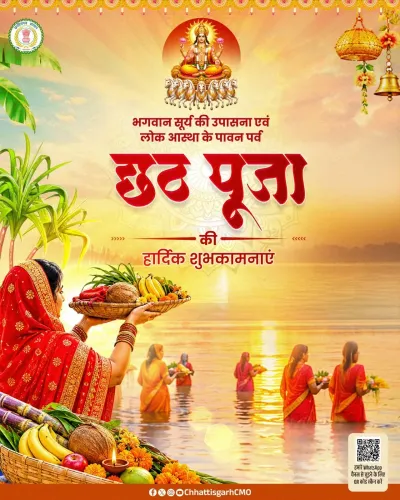
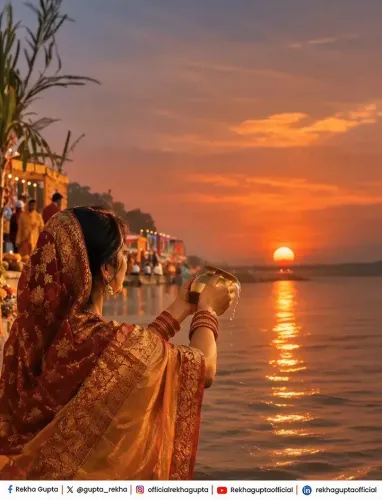
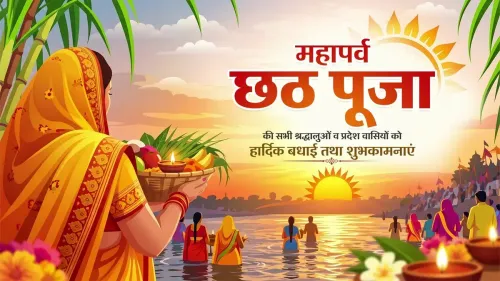
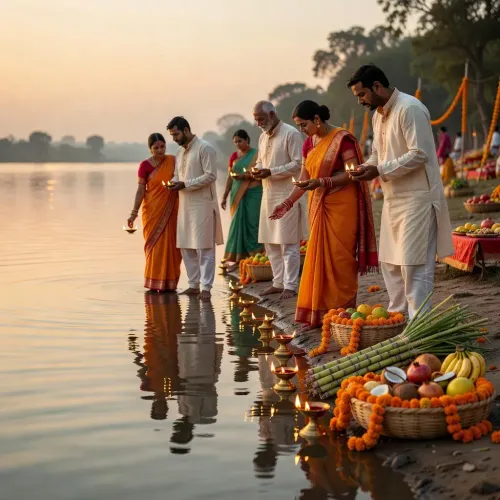
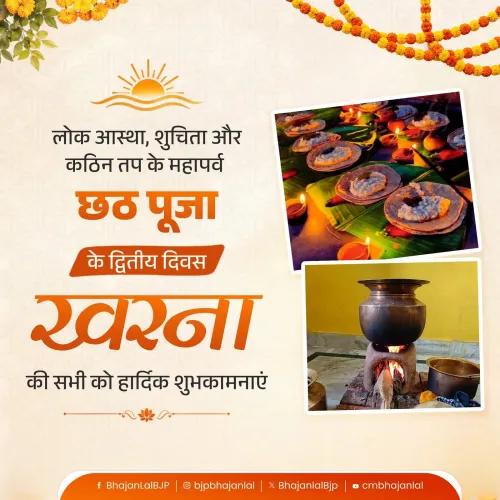
CM Bhajan Lal Sharma greets devotees on Chhath Puja Sandhya Arghya
Synopsis
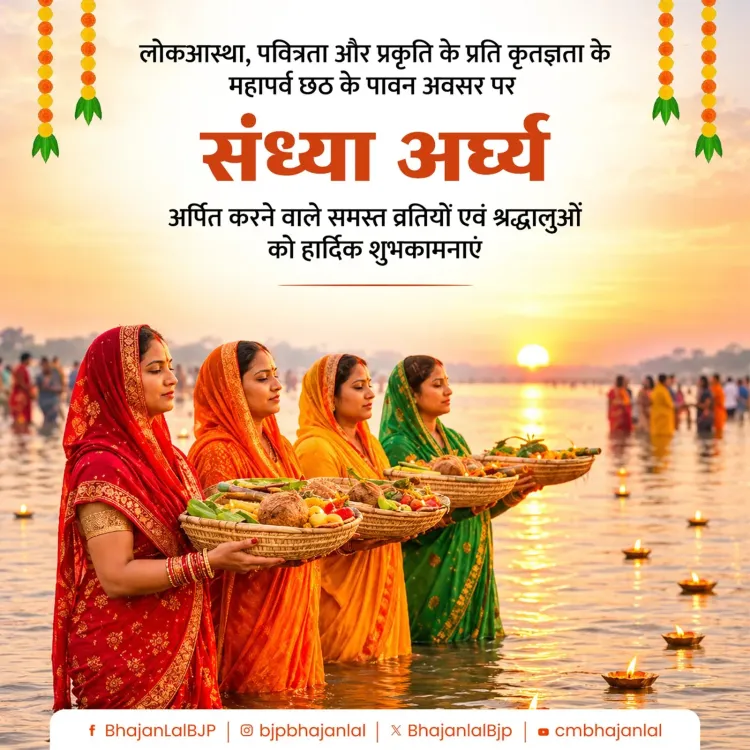
Rajasthan Chief Minister Bhajan Lal Sharma on 15 November 2026 greeted all Chhath Puja devotees on the occasion of Sandhya Arghya, praying to Chhathi Maiya and Surya Dev for happiness, peace, health and prosperity for all.
Key Takeaways
Rajasthan CM Bhajan Lal Sharma extended greetings on the occasion of Chhath Puja Sandhya Arghya on 15 November 2026 .
He prayed to Chhathi Maiya and Surya Dev for happiness, peace, good health and prosperity for all devotees.
Chhath Puja is a four-day festival rooted in Bihar and eastern UP traditions, now observed widely across India including in Rajasthan .
The Sandhya Arghya — the evening offering to the setting sun — is the most prominent ritual of the festival.
CM Sharma has been in office since December 2023 and regularly marks major religious observances on social media.
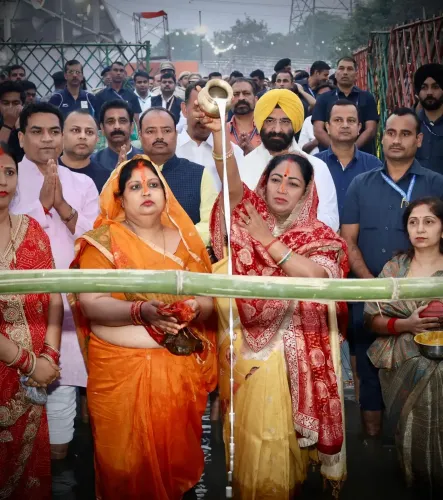
As millions of devotees across India stood at riverbanks and water bodies to offer the evening arghya (ritual salutation) to the setting sun, Rajasthan Chief Minister Bhajan Lal Sharma extended warm wishes to all vratiyaan (fasting devotees) and believers observing the grand festival of Chhath Puja on Sunday, 15 November 2026.
In his post on X, CM Sharma wrote: 'Prakriti, samarasata aur atoot shraddha ke pratik mahapaarv Chhath ke sandhya arghya ki samast vratiyon evam shraddhaaluon ko haardik shubhkaamnaayein!' — offering heartfelt greetings for the evening arghya of Chhath, the great festival symbolising nature, harmony and unshakeable devotion. He prayed to Chhathi Maiya and Surya Dev (the Sun God) that happiness, peace, good health and prosperity endure in everyone's lives.
What Chhath Puja means and why it resonates beyond Bihar
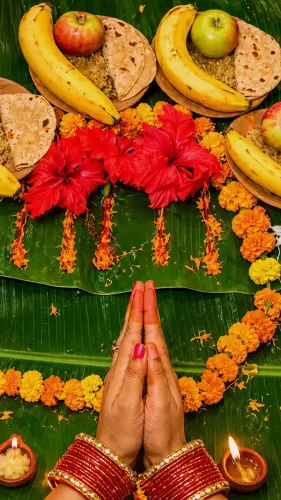
Chhath Puja is a four-day Hindu festival dedicated to Surya Dev and Chhathi Maiya, observed with rigorous fasting, ritual bathing and offerings made at riverbanks or any open water body at both sunset and sunrise. Rooted in the traditions of Bihar and eastern Uttar Pradesh, the festival has travelled with migrant communities across India, including significant populations in Rajasthan. The Sandhya Arghya — the evening offering to the setting sun — is among the most visually striking and emotionally charged moments of the entire observance.
The festival's central themes of reverence for nature, communal harmony and disciplined devotion make it one of the few major Indian festivals celebrated entirely outdoors, without idol worship, at the edge of flowing water. That simplicity carries enormous cultural weight.
BJP leaders and the politics of festival outreach
For BJP leaders, acknowledging Chhath Puja carries both cultural and political resonance. The festival commands deep loyalty among communities with roots in Bihar and eastern UP — a demographic present in urban centres across Rajasthan, particularly in Jaipur, Jodhpur and industrial belts. CM Sharma, who assumed office in December 2023, has consistently used social media to mark major religious observances, reinforcing the party's positioning as a custodian of Hindu cultural traditions. Such outreach is routine practice but carries real visibility among communities that celebrate the festival far from their ancestral home states.
The Chhath greeting arrives during a busy calendar of autumn festivals, and the Rajasthan government's acknowledgement signals institutional recognition of the festival's growing footprint in the state.
For the lakhs of devotees who stood barefoot in cold water as the sun dipped below the horizon, the blessings of Chhathi Maiya were the only thing that mattered — and a Chief Minister's voice, however briefly, joined theirs.
Point of View
The large Bihar- and UP-origin diaspora settled across Rajasthan's cities and industrial corridors. The messaging — centred on nature, harmony and devotion — deliberately mirrors the festival's own apolitical, inclusive character, making it harder to read as partisan. Over the longer arc, such consistent cultural outreach by state BJP governments reinforces the party's claim to be a pan-Hindu umbrella, a positioning that has electoral consequences in states with diverse migrant communities.
NationPress
15 Nov 2026
Frequently Asked Questions
What is Chhath Puja Sandhya Arghya?
Sandhya Arghya is the evening ritual of Chhath Puja in which devotees stand in water and offer prayers to the setting sun, considered one of the most sacred moments of the four-day festival.
What did Rajasthan CM Bhajan Lal Sharma say on Chhath Puja 2026?
CM Bhajan Lal Sharma extended heartfelt greetings to all Chhath devotees on the occasion of Sandhya Arghya and prayed to Chhathi Maiya and Surya Dev for happiness, peace, health and prosperity for everyone.
Is Chhath Puja celebrated in Rajasthan?
Yes, Chhath Puja is observed in Rajasthan by communities with roots in Bihar and eastern Uttar Pradesh, particularly in urban centres such as Jaipur and Jodhpur.
Who is Bhajan Lal Sharma?
Bhajan Lal Sharma is the Chief Minister of Rajasthan and a BJP leader who assumed office in December 2023.
What are the main themes of Chhath Puja?
Chhath Puja is centred on reverence for nature, communal harmony and disciplined devotion, with rituals performed outdoors at riverbanks or water bodies without idol worship.