CM Dhami Honours Birsa Munda on Janjatiya Gaurav Divas
Synopsis
On Janjatiya Gaurav Divas, Uttarakhand CM Pushkar Singh Dhami paid tribute to Bhagwan Birsa Munda and pledged continued government action on tribal education, health, employment, and cultural preservation.
Key Takeaways
15 November is observed as Janjatiya Gaurav Divas nationally, instituted in 2021 to honour tribal freedom fighters including Bhagwan Birsa Munda .
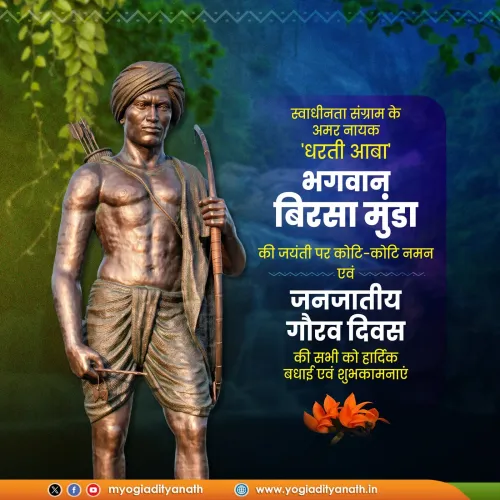
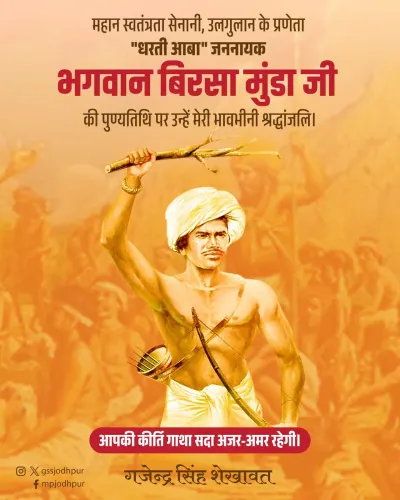
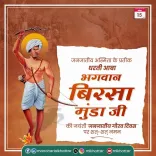
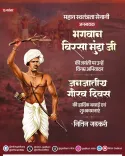
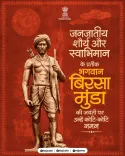
CM Pushkar Singh Dhami offered tribute to Birsa Munda, calling him Dharti Aaba and a symbol of tribal pride.
Dhami reaffirmed his government's resolve to work for tribal upliftment in education, health, employment, and self-employment.
The post emphasises protecting tribal rights, culture, and traditions alongside economic inclusion.
Birsa Munda led the Ulgulan rebellion against British rule in the Chota Nagpur region in the late 19th century.
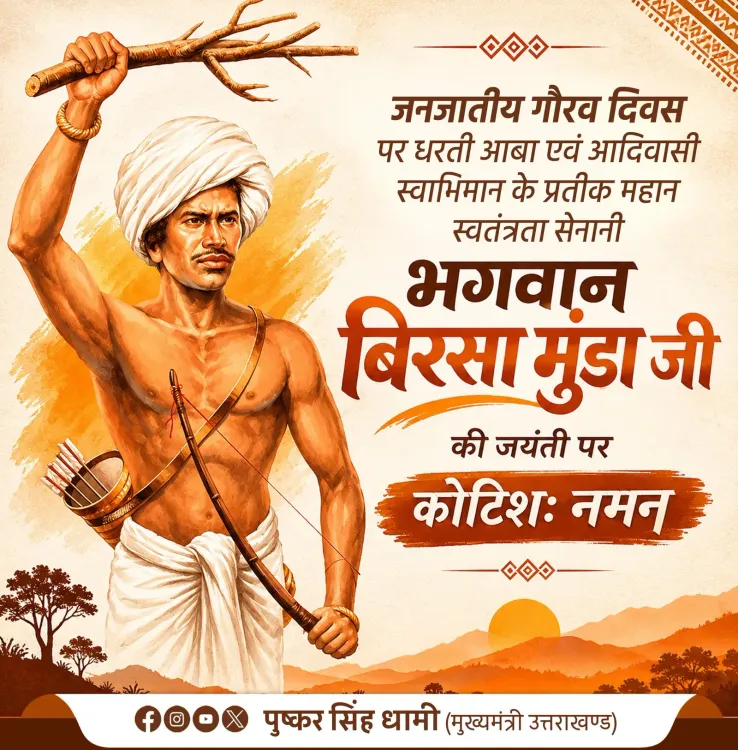
On Janjatiya Gaurav Divas, 15 November, Uttarakhand Chief Minister Pushkar Singh Dhami paid tribute to Bhagwan Birsa Munda — the tribal freedom fighter revered as Dharti Aaba (Father of the Earth) — and reaffirmed his government's commitment to the upliftment of tribal communities across the state.
Dhami wrote: 'Mahan swatantrata senani evam janjatiya gaurav ke pratik Dharti Aaba Bhagwan Birsa Munda ji ki jayanti par kotishaha naman' — offering crores of salutations on the birth anniversary of the great freedom fighter and symbol of tribal pride. He added that his government, drawing inspiration from Birsa Munda's ideals, is 'resolutely working for tribal upliftment,' with continuous efforts to provide new opportunities in education, health, employment, and self-employment alongside protecting the rights, culture, and traditions of tribal society — so that tribal communities can become self-reliant and empowered by joining the mainstream of development.
Who Was Dharti Aaba — and Why 15 November Matters
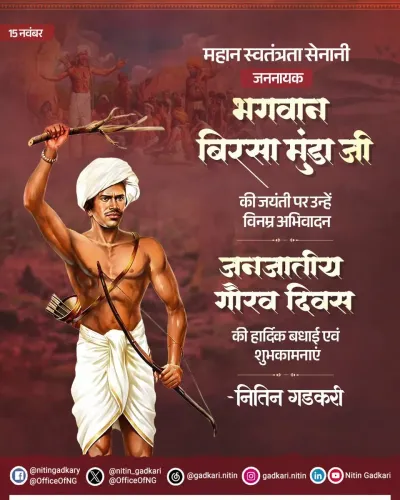
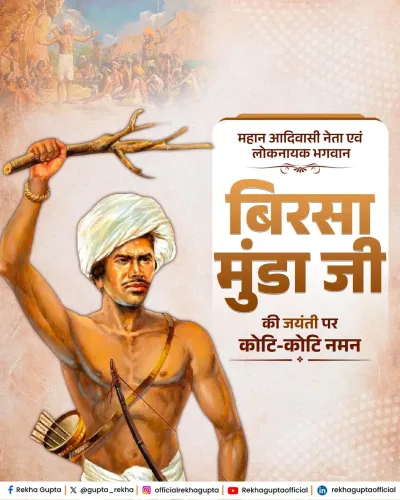
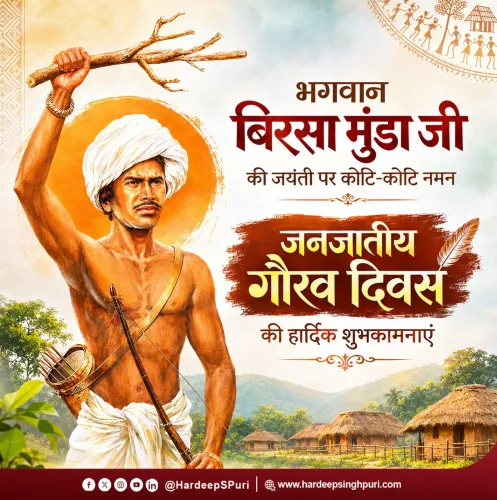
Bhagwan Birsa Munda, born on 15 November 1875 in the Chota Nagpur region of present-day Jharkhand, led a fierce rebellion against British colonial rule and the exploitation of tribal lands in the late nineteenth century. His movement — the Ulgulan, or 'Great Tumult' — galvanised the Munda community and left a permanent imprint on India's freedom struggle. He died in British custody in 1900, aged just 25, but his legacy endured.
In 2021, the Government of India formally declared 15 November as Janjatiya Gaurav Divas to honour Birsa Munda and other tribal icons, institutionalising the day as a national observance recognising tribal contributions to India's history and identity.
Uttarakhand's Tribal Welfare Commitment
Uttarakhand is home to Scheduled Tribe communities whose development indicators have historically lagged behind state averages. The state implements central government tribal welfare schemes alongside its own initiatives, targeting gaps in education, healthcare, and livelihood generation. Dhami's post signals that the government views Janjatiya Gaurav Divas not merely as a ceremonial occasion but as a policy reaffirmation — connecting the moral authority of Birsa Munda's legacy to the practical work of closing those gaps.
The broader national pattern mirrors this approach: successive governments have emphasised tribal cultural preservation and economic inclusion as twin pillars, recognising that development without identity risks alienating the very communities it aims to serve.
As observances mark Birsa Munda's 151st birth anniversary this year, the real measure of that commitment will be in the schemes announced, the budgets allocated, and the ground-level reach of programmes in Uttarakhand's tribal belts — numbers that will be watched closely in the weeks ahead.
Point of View
Allowing leaders to simultaneously invoke a revered tribal icon and signal welfare commitments to Scheduled Tribe constituencies. Dhami's post follows a well-established template: moral framing through Birsa Munda's legacy, paired with a broad pledge on education, health, and livelihoods. The real test of such reaffirmations lies in specific scheme announcements and budget allocations — details conspicuously absent here. As tribal development gaps persist in Uttarakhand, the gap between ceremonial tribute and measurable policy delivery will remain the sharpest line of scrutiny.
NationPress
15 Nov 2026
Frequently Asked Questions
What is Janjatiya Gaurav Divas and why is it celebrated on 15 November?
Janjatiya Gaurav Divas is a national observance on 15 November , declared by the Government of India in 2021 , to honour tribal freedom fighters — particularly Bhagwan Birsa Munda , who was born on that date in 1875 .
Who was Bhagwan Birsa Munda?
Bhagwan Birsa Munda , known as Dharti Aaba (Father of the Earth), was a tribal freedom fighter from the Chota Nagpur region who led the Ulgulan rebellion against British colonial rule and land exploitation in the late 19th century. He died in British custody in 1900 at age 25 .
What did CM Dhami say about tribal welfare on Janjatiya Gaurav Divas 2026?
CM Pushkar Singh Dhami said his government is resolutely working for tribal upliftment, with continuous efforts to provide opportunities in education, health, employment, and self-employment while protecting tribal rights, culture, and traditions.
Which tribal communities live in Uttarakhand?
Uttarakhand has Scheduled Tribe communities whose development indicators have historically lagged state averages. The state implements both central and state-level tribal welfare schemes targeting these communities.
When was Janjatiya Gaurav Divas officially declared?
The Government of India officially declared 15 November as Janjatiya Gaurav Divas in 2021 to recognise the contributions of tribal communities and leaders to India's history and freedom struggle.