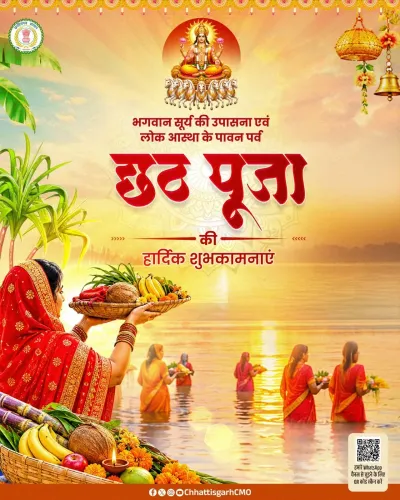
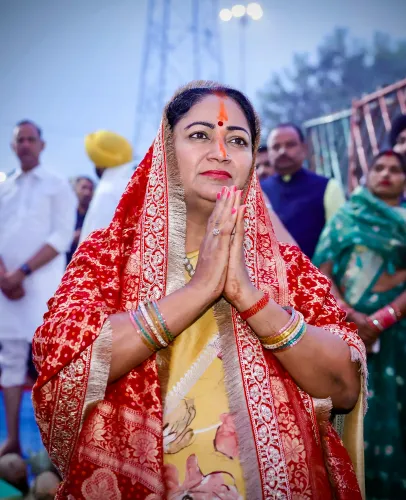
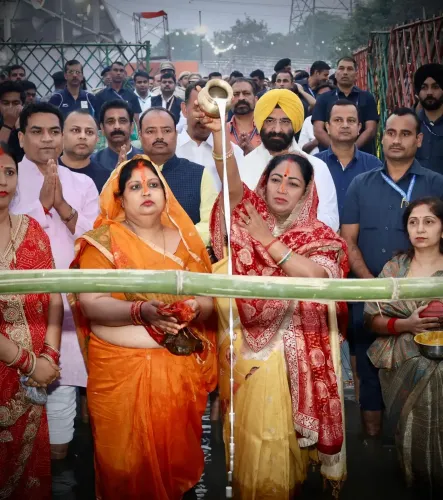
CM Rekha Gupta extends Chhath Puja Sandhya Arghya greetings
Synopsis
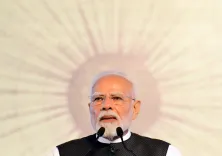
Delhi Chief Minister Rekha Gupta on 15 November 2026 extended greetings for Chhath Puja's Sandhya Arghya, calling the tradition of honouring the setting sun a symbol of gratitude towards nature and Sanatan culture, and praying for well-being of all fasting devotees.
Key Takeaways
Delhi CM Rekha Gupta extended greetings for Chhath Puja's Sandhya Arghya on 15 November 2026 .
The message invoked Chhathi Maiya and Bhagwan Bhaskar (the Sun God), praying for success of devotees' penance.
CM Gupta framed the sunset arghya ritual as a symbol of gratitude towards nature and Sanatan culture .
Chhath Puja is a four-day festival rooted in Bihar and eastern UP, with a large following among Delhi's migrant communities.
The Sandhya Arghya is the emotional centrepiece of Chhath, involving offerings to the sun at the moment of sunset.
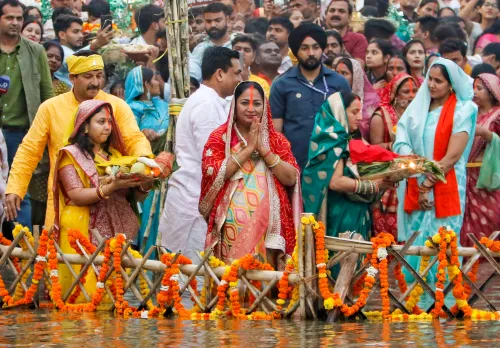
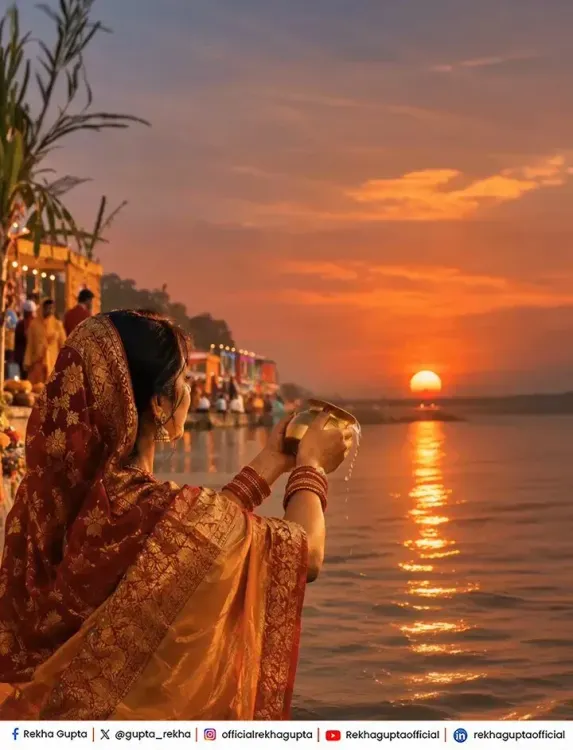
As the setting sun touches the horizon on Chhath Puja's Sandhya Arghya evening, Delhi Chief Minister Rekha Gupta extended warm wishes to devotees observing one of India's most demanding folk festivals — a celebration that turns every riverbank and water body in the capital into a congregation of faith.
In her message posted on 15 November 2026, CM Gupta conveyed: 'Heartfelt greetings to all devotees on the occasion of Sandhya Arghya during the great festival of popular faith, Chhath Puja. Our tradition of offering arghya even to the setting sun is a remarkable symbol of gratitude towards nature and the great values of Sanatan culture.' She further prayed that Chhathi Maiya and Bhagwan Bhaskar — the Sun God — bless all fasting devotees with success in their penance and bring happiness, prosperity and good health to every family.
What Sandhya Arghya marks in the Chhath cycle
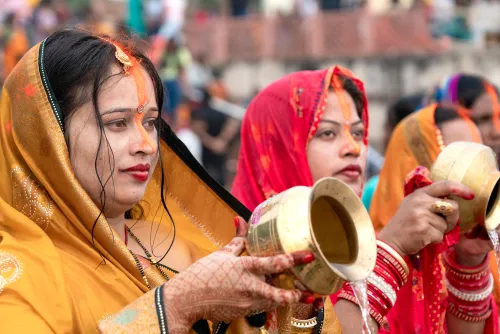
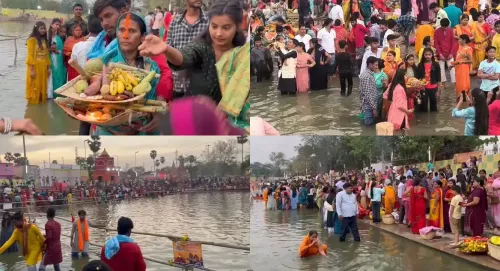
Chhath Puja is a four-day festival dedicated to the Sun God and Chhathi Maiya — the folk deity revered as the Sun God's sister and guardian of family well-being. The festival is defined by extraordinary rigour: devotees undertake prolonged fasting, standing waist-deep in water, and offering arghya (ritual oblation) at both sunset and the following sunrise. The Sandhya Arghya — the evening offering to the departing sun — is the emotional centrepiece of the entire observance, embodying the rare cultural act of honouring a celestial body even as it fades from view.
Chhath's growing footprint in Delhi
Though rooted in Bihar and eastern Uttar Pradesh, Chhath has become a defining festival on Delhi's calendar, carried westward by generations of migrants who have made the capital their home. Every year, the Yamuna ghats and neighbourhood water bodies fill with devotees in matching sarees and dhotis, transforming public spaces into open-air temples. For Delhi's political class, the festival represents both a cultural reality and a civic responsibility — ensuring clean, safe, accessible ghats for hundreds of thousands of worshippers.
CM Gupta's greeting reflects the standard but sincere outreach that leaders across parties extend toward communities whose festivals have travelled far beyond their geographic origins. The language of her message — invoking prakriti ke prati kritagyata (gratitude towards nature) alongside Sanatan sanskriti — frames Chhath not merely as a regional custom but as an expression of a broader civilisational ethic. When faith turns even a farewell into an act of reverence, the festival speaks for itself.
Point of View
Gupta's message does double duty — it reaches devotees on a cultural wavelength while reinforcing the BJP's broader civilisational-pride messaging. As Chhath becomes more visible in urban India, political leaders who acknowledge it warmly are signalling recognition of communities whose identity has long been marginalised in metropolitan public life.
NationPress
15 Nov 2026
Frequently Asked Questions
What is Sandhya Arghya in Chhath Puja?
Sandhya Arghya is the ritual offering made to the setting sun on the third day of Chhath Puja. Devotees stand in water at riverbanks or water bodies and offer prayers as the sun sets, making it the emotional and spiritual centrepiece of the four-day festival.
Who is Chhathi Maiya?
Chhathi Maiya is the folk deity at the heart of Chhath Puja, believed to be the sister of the Sun God. She is revered as a protector of family well-being and the goddess for whose blessings devotees undertake rigorous fasting and rituals.
Why is Chhath Puja celebrated in Delhi?
Chhath Puja has become a major festival in Delhi due to large-scale migration from Bihar and eastern Uttar Pradesh, where the festival originates. Migrant communities have brought the tradition with them, making Delhi's Yamuna ghats among the busiest Chhath venues in the country.
What did Delhi CM Rekha Gupta say on Chhath Puja 2026?
On 15 November 2026, Delhi Chief Minister Rekha Gupta extended Sandhya Arghya greetings to all Chhath devotees, calling the tradition of offering arghya to the setting sun a symbol of gratitude towards nature and Sanatan culture, and prayed for health and prosperity for all families.
What are the four days of Chhath Puja?
Chhath Puja spans four days: Nahay Khay (ritual bath and simple meal), Kharna (day-long fast ending with an evening meal), Sandhya Arghya (evening offerings to the setting sun), and Usha Arghya (sunrise offerings the following morning), after which devotees break their fast.