PM Modi inaugurates ₹3,000 crore tribal projects on Janjatiya Gaurav Diwas 2026
Synopsis
On Birsa Munda's 151st birth anniversary, PM Modi used Janjatiya Gaurav Diwas to roll out ₹3,000 crore worth of tribal development projects — 246 in all — spanning schools, marketing centres, heritage museums and welfare hubs. The scale signals a sustained political focus on tribal constituencies ahead of key state elections.
Key Takeaways
PM Modi addressed the Janjatiya Gaurav Diwas event in Gadchiroli, Maharashtra via video conferencing on 15 November 2026 .
He inaugurated and laid the foundation stone of 246 projects worth approximately ₹3,000 crore for tribal development.
173 projects were inaugurated, including 38 Eklavya Model Residential Schools and 100 PM-JANMAN Multi-Purpose Centres .
Foundation stones were laid for 19 new EMRS schools and 12 Tribal Multi-purpose Marketing Centres (TMMCs) .
The Ropuiliani Tribal Freedom Fighter Museum in Aizawl, Mizoram and the Tribal Research Institute in Itanagar, Arunachal Pradesh were among the key inaugurations.
The event marked the culmination of Janjatiya Gaurav Pakhwada , observed nationwide from 1 to 15 November .
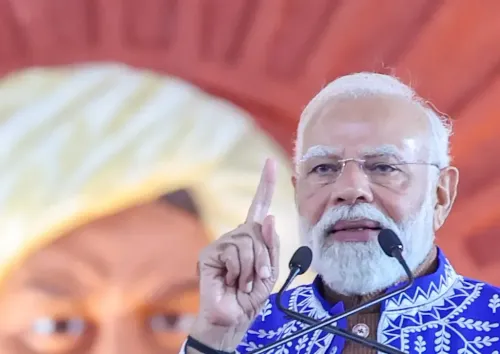
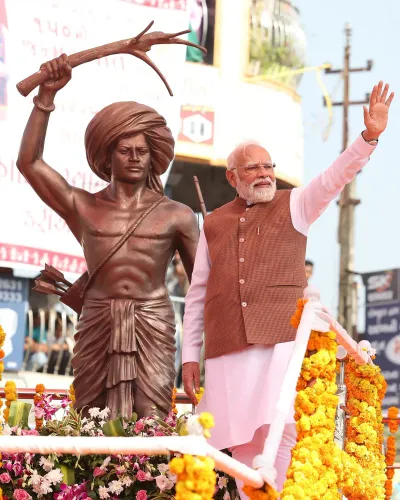
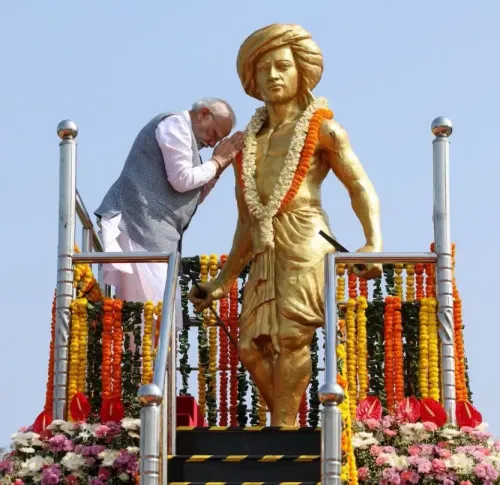
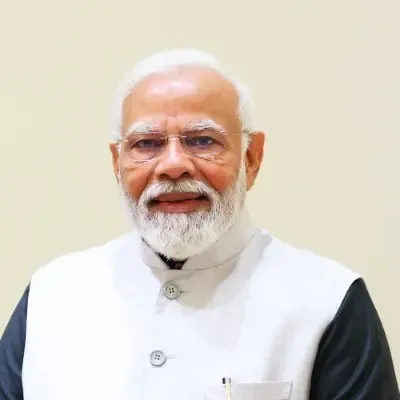
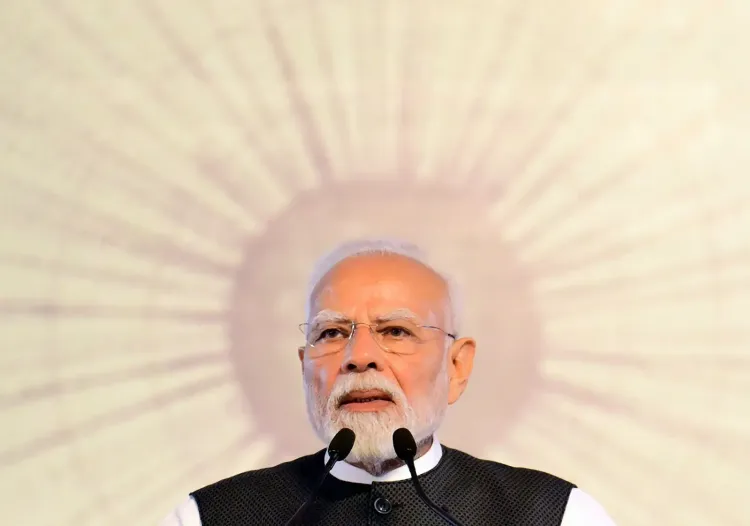
Prime Minister Narendra Modi on 15 November 2026 participated in the Janjatiya Gaurav Diwas programme in Gadchiroli, Maharashtra, via video conferencing at 11 am, addressing the gathering on the occasion of the 151st birth anniversary of tribal freedom fighter Birsa Munda. The event marked the culmination of Janjatiya Gaurav Pakhwada, a fortnight of national and grassroots-level tribal outreach observed from 1 to 15 November.
Key Developments: 246 Projects Worth ₹3,000 Crore
During the programme, the Prime Minister inaugurated and laid the foundation stone of 246 development projects worth approximately ₹3,000 crore, targeting education, healthcare, livelihood and community infrastructure for tribal communities across India. Of these, Modi inaugurated 173 initiatives, which included 38 Eklavya Model Residential Schools (EMRS) for tribal students and 100 Multi-Purpose Centres under the Pradhan Mantri Janjati Adivasi Nyaya Maha Abhiyan (PM-JANMAN). These centres are designed to serve as delivery hubs for essential services and community-level activities.
What Was Inaugurated: Schools, Museums and Research Institutes
Among the notable projects inaugurated were the Tribal Research Institute (TRI) building at Itanagar, Arunachal Pradesh, and the Ropuiliani Tribal Freedom Fighter Museum at Aizawl, Mizoram — both aimed at preserving tribal culture and heritage. The Mizoram museum is named after Ropuiliani, a nineteenth-century Mizo chieftainess who resisted British colonial rule and is remembered as a symbol of tribal resistance. The museum showcases the courage, historical legacy and cultural traditions of the Mizo people. Additional projects were inaugurated under PM-JANMAN and the Dharti Aaba Janjatiya Gram Utkarsh Abhiyan (DAJGUA).
Foundation Stones Laid: New Schools and Market Centres
Modi also laid the foundation stone of 19 new Eklavya Model Residential Schools to expand quality education access for tribal children, and 12 Tribal Multi-purpose Marketing Centres (TMMCs) aimed at strengthening market access for tribal producers. An additional 42 projects under PM-JANMAN and DAJGUA were also flagged off at the foundation stage, signalling a broad pipeline of tribal welfare infrastructure in the works.
What Janjatiya Gaurav Pakhwada Covered
The 15-day Pakhwada preceding the event featured a range of programmes including the President's interaction with EMRS students, the National Tribal Literary Festival, training for tribal healers, health and nutrition camps for Particularly Vulnerable Tribal Groups (PVTGs), and community service drives under the Dharti Aaba Janbhagidari Abhiyan. The scale of the Pakhwada reflects the Centre's sustained outreach strategy toward tribal constituencies, particularly ahead of assembly election cycles in several tribal-dominant states.
Why This Matters for Tribal Communities
India's tribal population — estimated at over 10 crore people — has historically lagged on education and healthcare outcomes. The EMRS network, now being expanded with 19 new schools, is one of the government's flagship vehicles for bridging that gap. Critics, however, have pointed out that the pace of EMRS completion has not always matched announcement timelines in past years, making execution the central question for these fresh additions. The forward-looking test will be whether the ₹3,000 crore pipeline translates into functional infrastructure within committed deadlines.
Point of View
000 crore outlay is a significant optic on a symbolically loaded day, but past Janjatiya Gaurav Diwas cycles have also seen large project announcements whose completion timelines slipped. The expansion of EMRS — a credible programme with measurable enrolment outcomes — deserves scrutiny on delivery pace, not just announcement scale. More tellingly, the inclusion of heritage museums and cultural sites alongside schools and healthcare centres reveals a dual strategy: material welfare combined with identity politics, both calculated to consolidate tribal voter loyalty ahead of assembly elections in several states with sizeable Adivasi populations.
NationPress
15 Nov 2026
Frequently Asked Questions
What is Janjatiya Gaurav Diwas and why is it observed on 15 November?
Janjatiya Gaurav Diwas is a national day observed on 15 November to honour the contributions of tribal communities and freedom fighters. The date marks the birth anniversary of Birsa Munda, a revered tribal freedom fighter, and the government has designated it to celebrate tribal culture, heritage and sacrifice.
What projects did PM Modi inaugurate on Janjatiya Gaurav Diwas 2026?
PM Modi inaugurated 173 projects, including 38 Eklavya Model Residential Schools and 100 PM-JANMAN Multi-Purpose Centres, along with the Tribal Research Institute in Itanagar and the Ropuiliani Museum in Aizawl. He also laid foundation stones for 19 new EMRS schools, 12 Tribal Multi-purpose Marketing Centres, and 42 other projects under PM-JANMAN and DAJGUA.
What is the PM-JANMAN scheme?
The Pradhan Mantri Janjati Adivasi Nyaya Maha Abhiyan (PM-JANMAN) is a central government scheme aimed at delivering essential services and welfare to tribal communities, particularly Particularly Vulnerable Tribal Groups (PVTGs). The 100 Multi-Purpose Centres inaugurated on 15 November are designed as local hubs for service delivery and community activities.
Who was Ropuiliani, after whom the Mizoram museum is named?
Ropuiliani was a nineteenth-century Mizo chieftainess who resisted British colonial rule and is remembered as a symbol of tribal resistance and sacrifice. The museum named after her in Aizawl, Mizoram, showcases the cultural traditions, historical legacy and heritage of the Mizo people.
What is the Janjatiya Gaurav Pakhwada?
Janjatiya Gaurav Pakhwada is a 15-day national observance held from 1 to 15 November, culminating on Janjatiya Gaurav Diwas. It features programmes such as the National Tribal Literary Festival, health and nutrition camps for PVTGs, tribal healer training, and community service drives under the Dharti Aaba Janbhagidari Abhiyan.