CM Bhajan Lal Sharma Marks World Lion Day, Urges Conservation
Synopsis
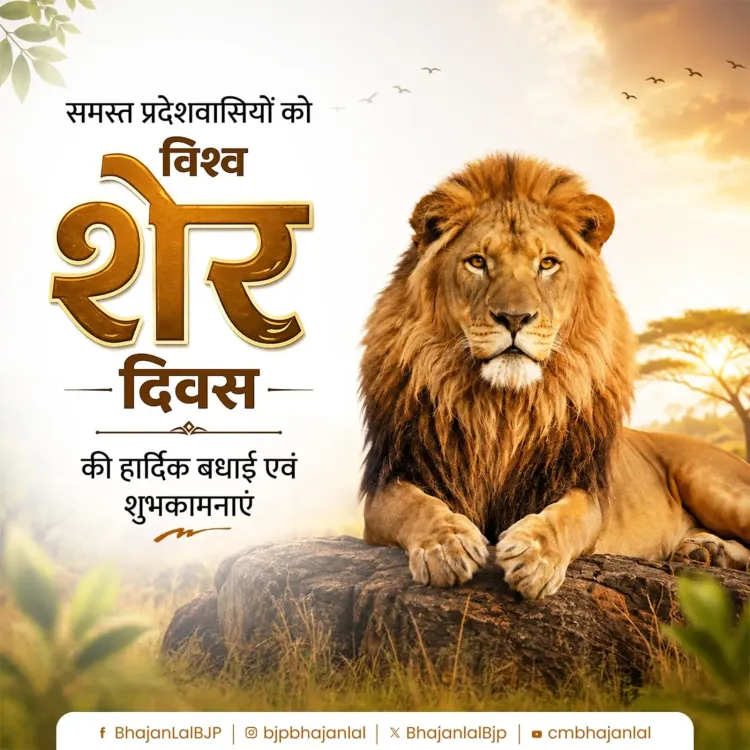
On World Lion Day, 10 August, Rajasthan Chief Minister Bhajan Lal Sharma urged citizens to commit to lion conservation, calling lions the foundation of India's biodiversity and natural heritage for future generations.
Key Takeaways
Rajasthan CM Bhajan Lal Sharma posted a World Lion Day message on 10 August 2026 , greeting all state residents.
He called lions a vital pillar of India's rich biodiversity, natural balance, and wildlife heritage.
Sharma urged citizens to pledge awareness-building for lion conservation and safeguarding natural heritage for future generations.
India's Wildlife (Protection) Act, 1972 and Project Lion (2020) form the national policy backbone for big cat conservation.
India's Asiatic lion population is centred in Gujarat's Gir forest — one of the world's most closely monitored apex predator habitats.
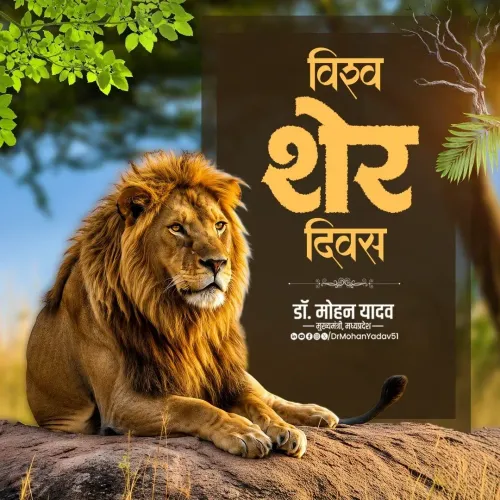
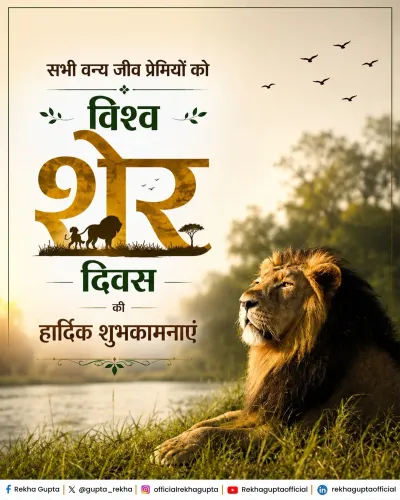
On World Lion Day, 10 August, Rajasthan Chief Minister Bhajan Lal Sharma called on citizens across the state to deepen their commitment to lion conservation — framing the big cat not merely as a wildlife symbol but as the cornerstone of India's biodiversity and natural balance.
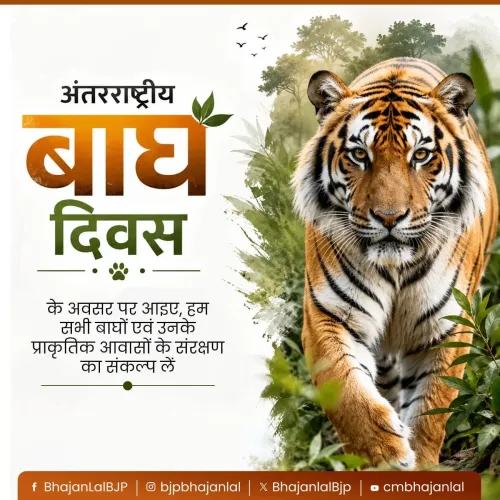
Posting in Hindi, Sharma extended greetings to all residents of Rajasthan and urged collective resolve: 'Aiye, inke sanrakshan evam samvardhan ke prati jan-jagrukta badhaane aur bhaavi peedhiyon ke liye surakshit prakritik dharohar ke nirman ka sankalp len' — ('Let us pledge to raise public awareness about their conservation and build a safe natural heritage for future generations.')
Lions, Biodiversity, and India's Conservation Framework
The lion holds a singular place in India's wildlife story. India's Wildlife (Protection) Act, 1972 laid the legal bedrock for protecting big cats and their habitats. Decades later, the Government of India launched Project Lion in 2020 — a dedicated programme to conserve the Asiatic lion and strengthen its ecosystem, mirroring the model of the celebrated Project Tiger.
India's Asiatic lion population is concentrated in Gujarat's Gir forest, making it one of the world's most geographically confined apex predator populations — and one of conservation's most-watched success stories. Sharma's message, while rooted in Rajasthan's administrative context, echoes a national imperative that transcends state lines.
Why State Leaders Speak Up on Global Wildlife Days
Messages like Sharma's are part of a deliberate pattern among Indian state leaders — using international observance days to amplify national biodiversity goals and keep conservation in public discourse. World Lion Day, observed every 10 August, was established to spotlight the threats lions face globally: habitat loss, human-wildlife conflict, and population fragmentation. In India's context, it doubles as a moment to reinforce species-specific commitments under both domestic law and international frameworks.
The kicker: lions don't need ceremony — they need sustained political will. Whether Sharma's words translate into state-level awareness campaigns or conservation initiatives in the months ahead is the question wildlife advocates will be watching.
Point of View
It keeps the ruling party visible on conservation issues that resonate with urban and educated voter segments. The real test will be whether Rajasthan follows up with concrete state-level wildlife or awareness initiatives.
NationPress
24 Sept 2026
Frequently Asked Questions
What is World Lion Day and when is it observed?
World Lion Day is an international observance held every year on 10 August to raise awareness about lion conservation, habitat protection, and the threats lions face globally.
What did Rajasthan CM Bhajan Lal Sharma say on World Lion Day 2026?
Bhajan Lal Sharma greeted all Rajasthan residents and urged them to pledge support for lion conservation, raise public awareness, and build a safe natural heritage for future generations.
What is Project Lion in India?
Project Lion was launched by the Government of India in 2020 to conserve the Asiatic lion and strengthen its habitat, modelled on the success of Project Tiger.
Where do Asiatic lions live in India?
India's Asiatic lion population is found primarily in the Gir forest of Gujarat , making it one of the most geographically restricted apex predator populations in the world.
What law protects lions in India?
The Wildlife (Protection) Act, 1972 provides the primary legal framework for protecting wild animals including lions and other big cats across India.