CM Bhajan Lal Sharma Greets Rajasthan on Biodiversity Day
Synopsis
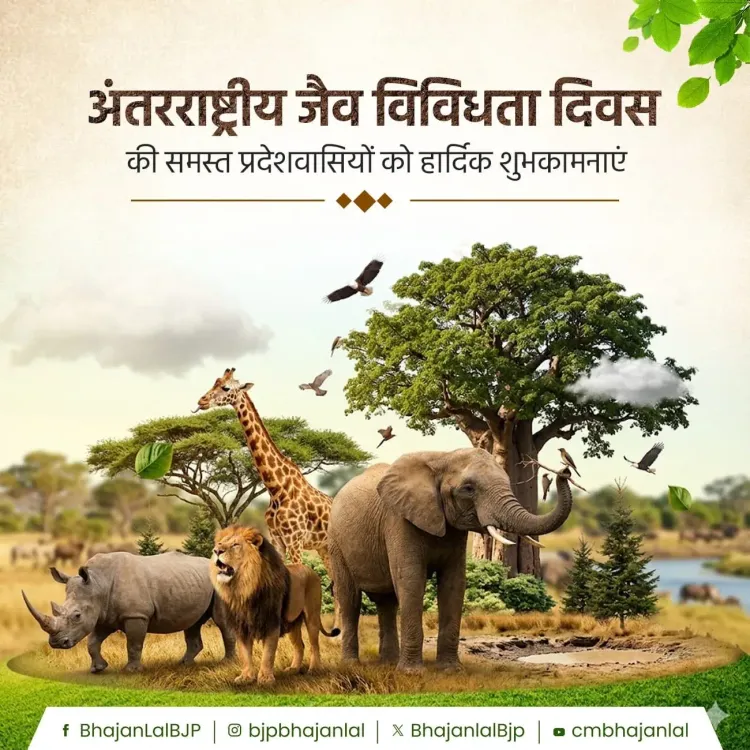
Rajasthan Chief Minister Bhajan Lal Sharma marked International Day for Biological Diversity on 22 May 2026 by calling biodiversity an invaluable natural heritage and urging all residents to pledge conservation for a green and prosperous Rajasthan.
Key Takeaways
Bhajan Lal Sharma extended greetings to Rajasthan residents on International Day for Biological Diversity, 22 May 2026 .
He described biodiversity as the foundation of environmental balance, sustainable development, and a secure future for coming generations.
Rajasthan is India's largest state, home to diverse ecosystems including the Thar Desert , Aravalli range , tigers, and migratory birds.
India ratified the Convention on Biological Diversity in 1994 and enacted the Biological Diversity Act, 2002 to implement it domestically.
The Kunming-Montreal Global Biodiversity Framework (COP15, 2022) sets a global target of protecting 30 per cent of land and ocean by 2030 .
Analysts will watch for updates to the Rajasthan State Biodiversity Action Plan and the State Biodiversity Board budget for 2026-27 .
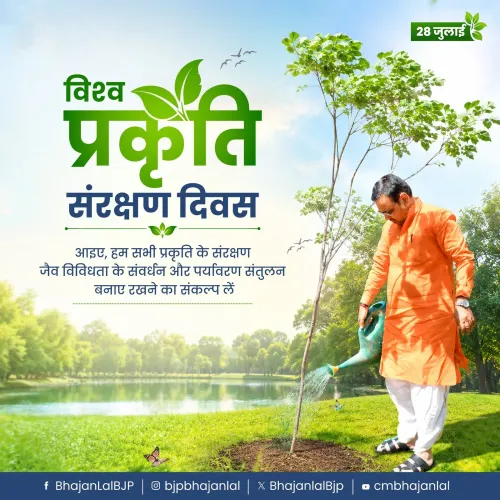
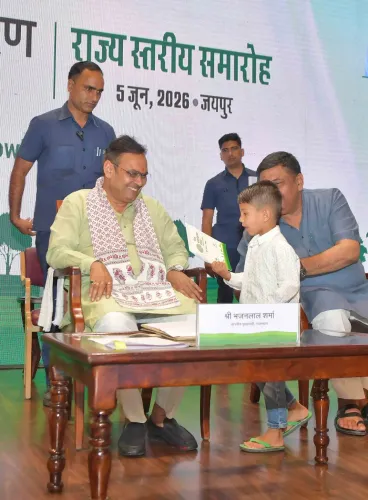
Rajasthan Chief Minister Bhajan Lal Sharma on Friday, 22 May 2026 extended greetings to all residents of the state on International Day for Biological Diversity, calling biodiversity an invaluable natural heritage and urging collective commitment to its conservation for the benefit of future generations.
In his post on X, the Chief Minister wrote: 'जैव विविधता हमारी प्रकृति की अमूल्य धरोहर है' — 'Biodiversity is the invaluable heritage of our nature' — adding that it forms the foundation of environmental balance, sustainable development, and a secure future for coming generations. He called upon the people of Rajasthan to pledge conservation and promotion of biodiversity and to participate in building a 'green and prosperous Rajasthan.'
Context
International Day for Biological Diversity is a United Nations-designated observance held every year on 22 May to raise awareness under the Convention on Biological Diversity (CBD). India ratified the CBD in 1994, committing to conservation, sustainable use, and equitable benefit-sharing from biological resources. The day serves as an annual occasion for governments at every level to reaffirm their environmental commitments.
Rajasthan, India's largest state, encompasses a remarkably diverse range of ecosystems — from the Thar Desert in the west to the Aravalli range in the east — supporting species including tigers, blackbucks, and migratory birds. These ecosystems underpin the livelihoods of rural communities, farmers, pastoralists, and a significant wildlife tourism sector.
Policy Backdrop
India enacted the Biological Diversity Act, 2002 to implement the CBD domestically, establishing the National Biodiversity Authority and mandating the creation of State Biodiversity Boards and local Biodiversity Management Committees across the country. Rajasthan's own State Biodiversity Board operates under this framework, overseeing conservation efforts across the state's varied landscapes.
Globally, the Kunming-Montreal Global Biodiversity Framework, adopted at COP15 in 2022, set ambitious targets including the protection of 30 per cent of land and ocean areas by 2030. State-level messaging on Biodiversity Day forms part of India's federal approach to meeting these international commitments. Rajasthan has pursued complementary initiatives including desert afforestation under the national Green India Mission and the protection of wildlife sanctuaries and sacred groves.
Stakeholders and Impact
The Chief Minister's appeal is directed at a broad cross-section of Rajasthan society — rural communities whose livelihoods depend directly on healthy ecosystems, farmers and pastoralists reliant on land and water resources, and the wildlife tourism sector that draws visitors to the state's national parks and reserves. Conservation of biodiversity in a state as ecologically varied as Rajasthan has direct economic and food-security implications.
Civil society organisations, local biodiversity management committees, and educational institutions are among the stakeholders who typically mobilise around such observances to organise awareness drives, tree-plantation events, and community conservation pledges at the grassroots level.
What's Next
Observers will watch for the possible release of updated targets under the Rajasthan State Biodiversity Action Plan and budget allocations for the State Biodiversity Board in the 2026-27 fiscal year. The Chief Minister's public pledge to build a 'green and prosperous Rajasthan' may also foreshadow announcements linking environmental goals with the state's broader development agenda in the months ahead.
Point of View
But it carries political weight in a state where ecological health — from the Thar Desert to the Aravallis — directly affects agrarian and pastoral communities that form a core BJP constituency. The appeal to build a 'green and prosperous Rajasthan' signals an attempt to align the state's development narrative with India's international environmental commitments, particularly the Kunming-Montreal framework targets. Such messaging also positions the BJP-led state government as an active participant in national green-economy goals ahead of potential budget and policy announcements. Whether the rhetoric translates into measurable allocations for the State Biodiversity Board will be the real test of intent.
NationPress
21 Oct 2026
Frequently Asked Questions
What is International Day for Biological Diversity?
International Day for Biological Diversity is a United Nations observance held every year on 22 May to raise global awareness about the importance of biodiversity under the Convention on Biological Diversity, which was adopted at the 1992 Rio Earth Summit.
What did Rajasthan CM Bhajan Lal Sharma say on Biodiversity Day 2026?
CM Bhajan Lal Sharma called biodiversity an invaluable natural heritage and urged all Rajasthan residents to pledge its conservation and promotion, with the goal of building a green and prosperous Rajasthan for future generations.
What is the Biological Diversity Act of India?
The Biological Diversity Act, 2002 is Indian legislation that implements the Convention on Biological Diversity domestically, establishing the National Biodiversity Authority, State Biodiversity Boards, and local Biodiversity Management Committees to oversee conservation efforts.
Why is Rajasthan important for biodiversity in India?
Rajasthan is India's largest state and encompasses diverse ecosystems including the Thar Desert, the Aravalli range, and wetlands that support species such as tigers, blackbucks, and migratory birds, making it ecologically significant at both national and international levels.
What is the Kunming-Montreal Global Biodiversity Framework?
The Kunming-Montreal Global Biodiversity Framework is an international agreement adopted at COP15 in 2022 that sets targets including the protection of 30 per cent of the world's land and ocean areas by 2030, and forms the current global benchmark for national and state biodiversity policies.