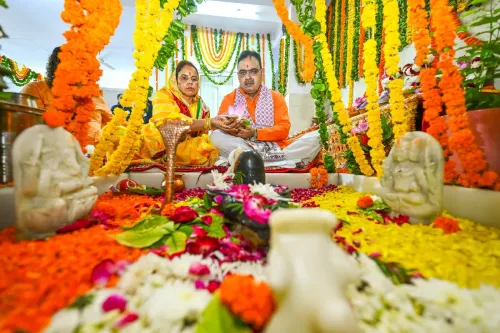
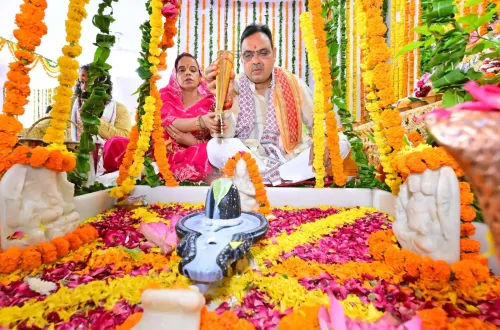
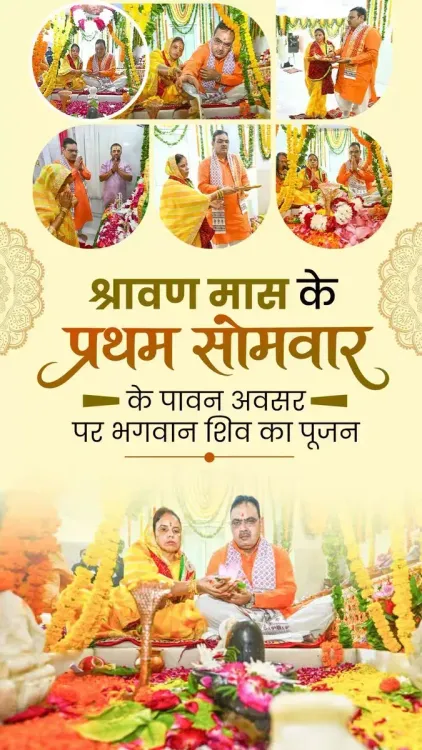
CM Bhajan Lal Sharma offers Jalabhishek at Maa Rajrajeshwari Temple on first Shravan Monday
Synopsis
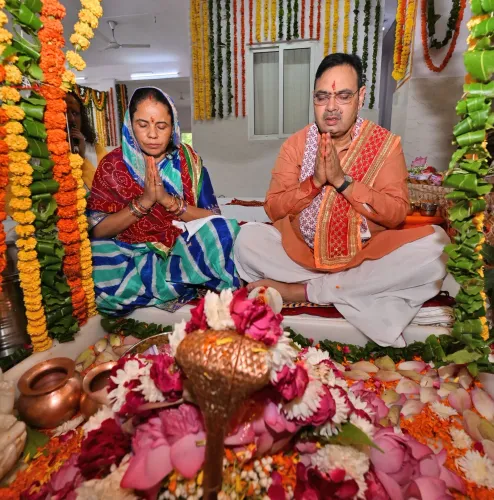
Rajasthan Chief Minister Bhajan Lal Sharma performed jalabhishek and prayers to Lord Shiva at Maa Rajrajeshwari Temple on the first Monday of Shravan 2026, praying for peace, prosperity, and happiness across the state.
Key Takeaways
CM Bhajan Lal Sharma performed jalabhishek and puja-archan at Maa Rajrajeshwari Temple on August 3, 2026 .
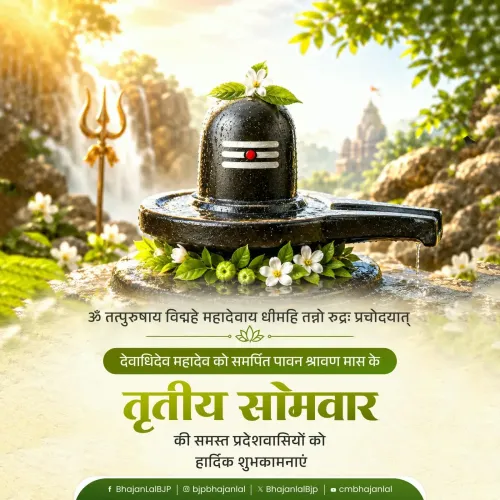
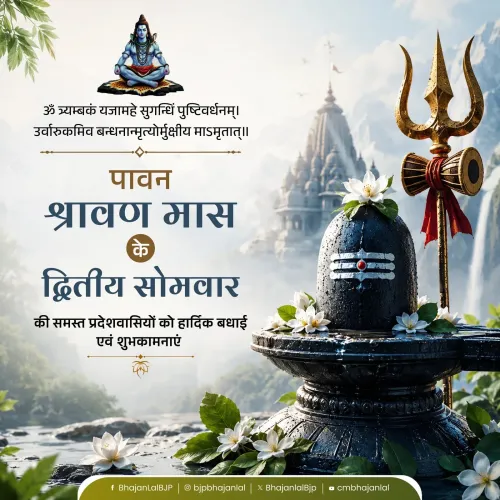
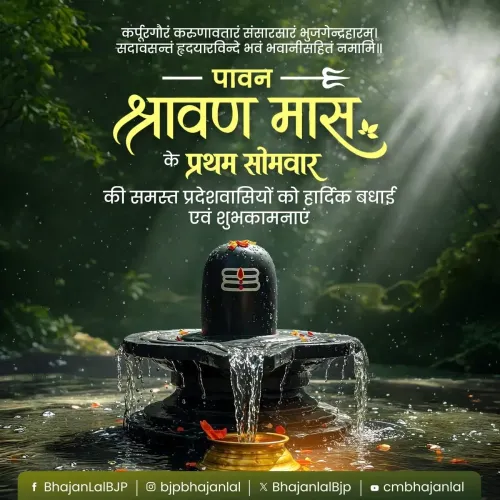
The visit coincided with the first Shravan Somvar (Monday of the holy month of Shravan), one of the most sacred occasions for Shiva devotees.
The CM prayed for happiness, peace, prosperity, and well-being for the entire state of Rajasthan.
The observance reflects a consistent pattern of BJP chief ministers participating in major Hindu religious events as part of public life.
Further public religious engagements by CM Sharma are expected during the remaining Shravan Mondays in August 2026.
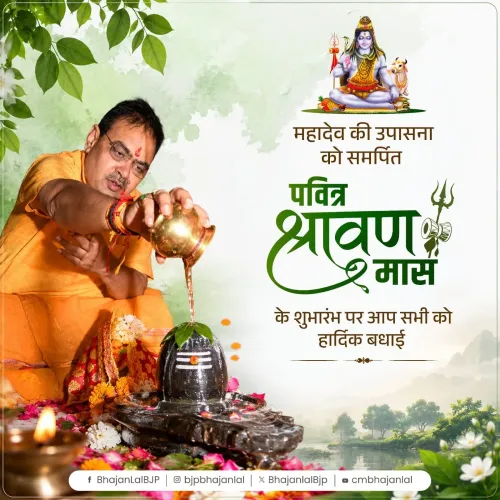
On the first Monday of the sacred month of Shravan, Rajasthan Chief Minister Bhajan Lal Sharma performed jalabhishek (ritual water offering) and prayers to Lord Shiva at Maa Rajrajeshwari Temple, seeking divine blessings of peace, prosperity, and happiness for the entire state.
Posting on Monday, August 3, 2026, the Chief Minister wrote: 'ॐ नमः शिवाय!' — invoking the sacred Shiva mantra — before sharing that he had offered jalabhishek and puja-archan to Lord Shiva on this auspicious occasion, praying for 'sukh, shanti, samridhi aur khushhaali' (happiness, peace, prosperity, and well-being) across Rajasthan.
Shravan Somvar and its significance for Rajasthan's faithful
Shravan, the fifth month of the Hindu lunar calendar, is considered one of the holiest periods of the year for Shiva devotees. The Mondays of Shravan — known as Shravan Somvar — draw millions of worshippers to Shiva temples across India, who fast, offer water to the Shivalinga, and seek the Mahadev's grace. For Rajasthan, a state with a deep tradition of Shaivite worship, these observances carry particular cultural weight.BJP leaders and the rhythm of public religious engagement
CM Sharma's temple visit fits a well-established pattern among BJP chief ministers, who routinely participate in major Hindu religious observances as a visible part of public life. Such participation is seen both as a personal expression of faith and as a signal to constituents that the state's leadership shares in the community's spiritual calendar. With several more Shravan Mondays remaining in the month, further public religious engagements from the Chief Minister are expected. For Rajasthan's residents, the Chief Minister's prayer for statewide well-being on this first Shravan Monday sets the devotional tone for a month that, for millions, is the year's most sacred.Point of View
Repeated across every major Hindu festival, cumulatively build a narrative of cultural stewardship that complements the party's policy agenda in Rajasthan.
NationPress
18 Sept 2026
Frequently Asked Questions
Why did CM Bhajan Lal Sharma visit a temple on August 3, 2026?
August 3, 2026 was the first Monday of the holy month of Shravan — known as Shravan Somvar — which is among the most auspicious occasions for Shiva worship in the Hindu calendar. CM Sharma performed jalabhishek and prayers at Maa Rajrajeshwari Temple on this day.
What is jalabhishek and why is it performed during Shravan?
Jalabhishek is the ritual offering of water — often from the Ganga — to a Shivalinga, believed to please Lord Shiva and invite his blessings. Shravan is considered Shiva's favourite month, making jalabhishek on its Mondays especially meritorious for devotees.
What did CM Bhajan Lal Sharma pray for at the temple?
The Chief Minister prayed for happiness, peace, prosperity, and well-being ( sukh, shanti, samridhi aur khushhaali ) for the entire state of Rajasthan.
Which temple did Rajasthan CM Bhajan Lal Sharma visit for Shravan puja?
CM Sharma visited Maa Rajrajeshwari Temple for the Shravan Somvar jalabhishek and prayers to Lord Shiva.
Do BJP chief ministers regularly participate in Hindu religious events?
Yes. BJP chief ministers across India routinely participate in major Hindu religious observances — including Shravan pujas, Navratri, and Mahashivratri — as an established part of their public calendars, reflecting both personal faith and the party's cultural positioning.