CM Bhajan Lal chairs Lokmanthan-2026 planning meet in Jaipur
Synopsis
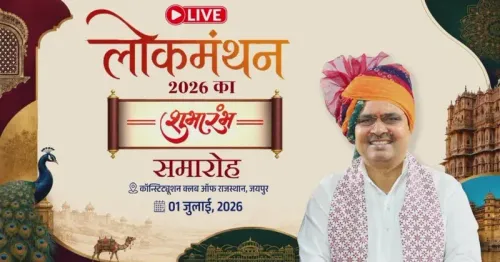
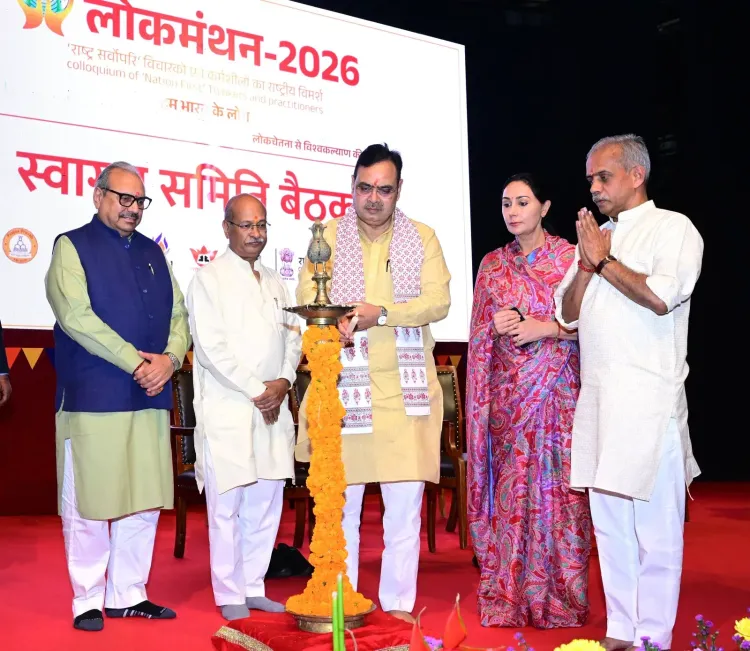
Rajasthan CM Bhajan Lal Sharma chaired the Lokmanthan-2026 welcome-committee meeting at Jaipur's Jawahar Kala Kendra on 19 November, reviewing plans for a national cultural conclave themed 'We the People of India' celebrating Indian heritage and civilisational consciousness.
Key Takeaways
CM Bhajan Lal Sharma personally chaired the Lokmanthan-2026 welcome-committee meeting on 19 November 2026 .
The meeting was held at Jawahar Kala Kendra, Jaipur , a premier arts complex established in the 1980s.
The conclave is themed 'Hum Bharat Ke Log' (We the People of India), drawing from the Preamble of the Constitution.
Officials discussed event arrangements, logistics, and the overall organisational framework for Lokmanthan-2026.
The event aims to celebrate Indian culture, folk traditions, and civilisational consciousness on a national scale.
Exact dates, participating states, and confirmed institutional partners are yet to be officially announced.
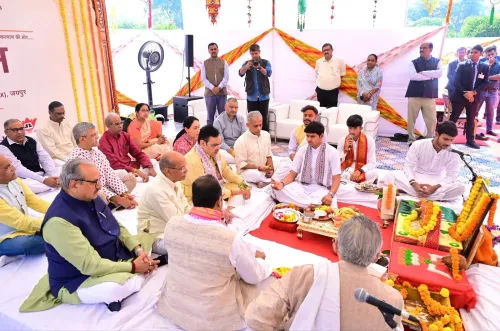
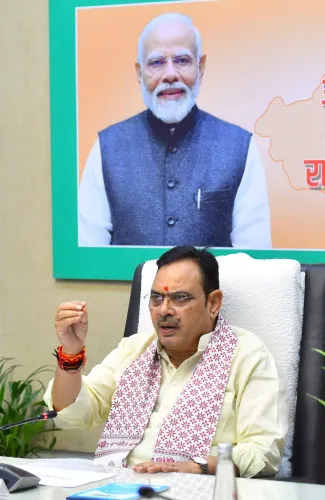
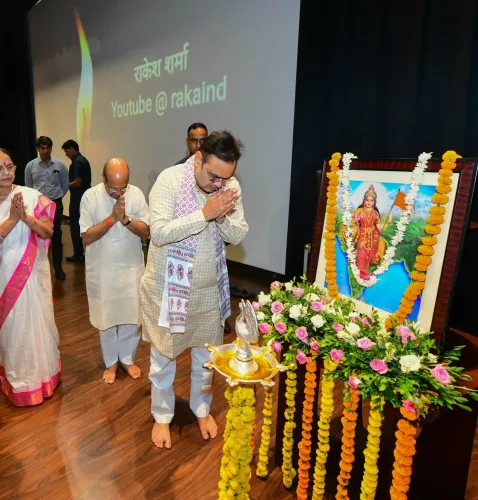
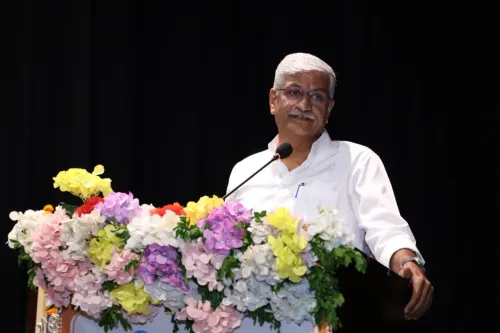
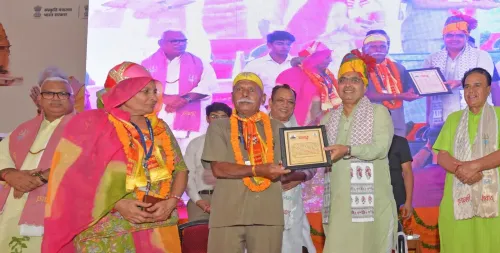
A cultural conclave billed as a 'grand confluence of Indian civilisational consciousness' is taking shape in Rajasthan — and Chief Minister Bhajan Lal Sharma is personally driving it forward. On Thursday, 19 November 2026, Sharma chaired the welcome-committee meeting for the upcoming Lokmanthan-2026 at Jawahar Kala Kendra, Jaipur, reviewing logistics, event architecture, and organisational roles with key officials.
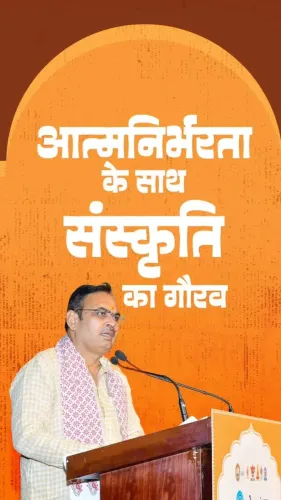
Posting on X, the Chief Minister described the deliberations in Hindi: 'Lokmanthan... bharatiya sanskriti, lok parampraon, vichaaron aur rashtriya chetna ka virat sangam banne ja raha hai' — ('Lokmanthan is set to become a grand confluence of Indian culture, folk traditions, ideas, and national consciousness'). The event draws its inspiration from the theme 'Hum Bharat Ke Log' — 'We the People of India' — a phrase drawn from the Preamble of the Constitution.
Jawahar Kala Kendra as the stage
Jawahar Kala Kendra is no ordinary venue for such an ambition. The Jaipur complex, established in the 1980s and designed by renowned architect Charles Correa as a homage to the nine-square Navagraha grid, has long served as Rajasthan's flagship platform for visual and performing arts. Hosting a national-scale cultural conclave here layers additional symbolic weight on the proceedings.
Sharma expressed personal commitment to making the event 'historic and memorable', citing collective effort, dedication, and participation as the driving forces. The welcome-committee meeting marks a formal structural step — moving Lokmanthan-2026 from idea to operational planning.
What Lokmanthan-2026 is building toward
Lokmanthan, as a concept, positions itself as a platform for exploring India's civilisational identity — folk art, oral traditions, classical thought, and contemporary national consciousness — through a single, large-format gathering. The 'We the People of India' theme signals an intent to frame the conversation in broadly inclusive constitutional language while celebrating regional cultural diversity.
Rajasthan's own cultural inventory — from its desert folk music and kathputli puppetry to its medieval architecture — makes it a natural host for such a conclave. State governments across India have used signature cultural events to project soft power and reinforce regional identity; Rajasthan under Sharma is now deploying Lokmanthan as its marquee entry in that space.
Exact dates, confirmed institutional partners, and the full roster of participating states are yet to be announced. What Thursday's meeting confirms is that the planning machinery is in motion — and that the Chief Minister himself is in the chair.
Point of View
With its unmatched folk heritage, is a natural stage for such an exercise. The choice of Jawahar Kala Kendra — a space associated with pluralist artistic tradition — adds an interesting tension: a heritage platform simultaneously being used to project a specific cultural-nationalist framework. How the event balances regional folk diversity against a singular national-consciousness narrative will be its real test.
NationPress
19 Nov 2026
Frequently Asked Questions
What is Lokmanthan-2026?
Lokmanthan-2026 is an upcoming national cultural conclave planned in Rajasthan, themed 'We the People of India', focused on celebrating Indian heritage, folk traditions, and civilisational consciousness.
Where will Lokmanthan-2026 be held?
The event is planned to be held in Rajasthan, with the welcome-committee meeting chaired by CM Bhajan Lal Sharma at Jawahar Kala Kendra in Jaipur on 19 November 2026.
What is Jawahar Kala Kendra?
Jawahar Kala Kendra is a cultural complex in Jaipur, Rajasthan, established in the 1980s and designed by architect Charles Correa to promote visual and performing arts.
What is the theme of Lokmanthan-2026?
The theme is 'Hum Bharat Ke Log' — meaning 'We the People of India' — inspired by the Preamble of the Indian Constitution and aimed at celebrating national cultural identity.
When are the confirmed dates for Lokmanthan-2026?
Confirmed dates for Lokmanthan-2026 have not yet been officially announced; the 19 November meeting focused on planning the event's structure and logistical framework.