CM Shivakumar meets 2011 KPSC officers after Supreme Court blow
Synopsis
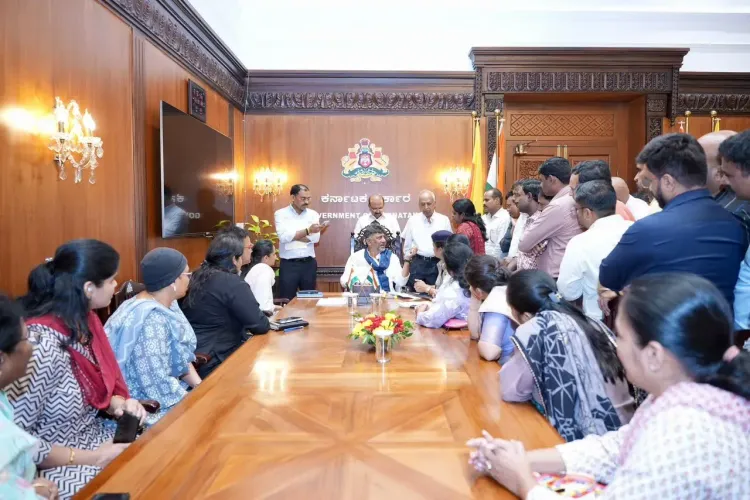
The Supreme Court struck down Karnataka legislation covering the appointments of 362 KPSC-selected gazetted probationary officers from 2011. The affected officers met Chief Minister D K Shivakumar at Vidhana Soudha on October 30, 2026, urging the state government to find a remedy for their service uncertainty.
Key Takeaways
The Supreme Court of India declared unconstitutional the Karnataka law enacted to regularise the appointments of 362 gazetted probationary officers selected by KPSC in 2011 .
The affected officers, who are currently in active service, met Chief Minister D K Shivakumar at Vidhana Soudha on October 30, 2026 to seek relief.
The officers formally explained their service predicament and submitted a request for government intervention.
No immediate remedy or official outcome was announced following the meeting.
The Karnataka government's next options include fresh administrative orders, new legislation, or approaching the Supreme Court for interim relief.
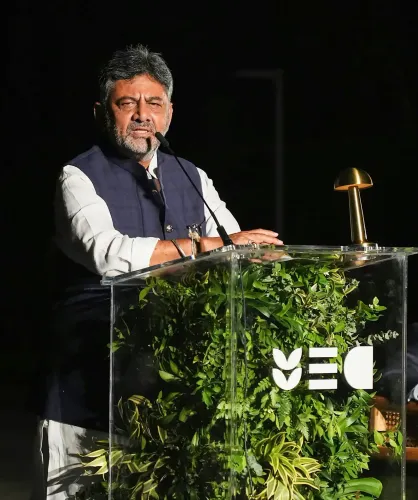
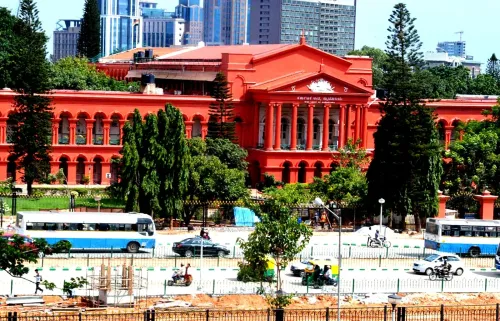
A batch of 362 gazetted probationary officers — selected by the Karnataka Public Service Commission (KPSC) in 2011 and still serving in the state administration — walked into Vidhana Soudha on Friday, October 30, 2026, carrying an urgent appeal: the Supreme Court of India had just struck down the very legislation that anchored their appointments, and they needed Chief Minister D K Shivakumar to act.
The Chief Minister's Office of Karnataka confirmed the meeting on X, posting that the officers — whose appointments had been regularised through a state law that the Supreme Court subsequently declared asanvaidhanika (unconstitutional) — met CM Shivakumar at Vidhana Soudha, explained their predicament, and formally requested relief from the government.
Fifteen years of service, one court order
The officers were recruited through the KPSC in 2011, meaning many have spent the better part of a decade and a half building careers in Karnataka's gazetted services. The state government had enacted a law to settle the terms of their appointment — a not-uncommon move when recruitment disputes linger in litigation. But the Supreme Court ruled that legislation unconstitutional, pulling the legal foundation from beneath their service conditions.
The precise title of the struck-down law and the court's case number have not been officially confirmed, but the ruling's impact is concrete: 362 serving officers now face uncertainty over their seniority, pay regularisation, and broader service continuity.
Why state recruitment laws end up in the Supreme Court
This is not an isolated Karnataka story. Across India, states have repeatedly passed legislation to resolve stalled KPSC-style recruitment disputes — and courts have repeatedly tested those laws against Articles 14 and 16 of the Constitution, which guarantee equality before the law and equal opportunity in public employment. When a state law fails that test, the fallout lands squarely on the officers caught in the middle, not on the administrators who drafted the legislation.
The KPSC's 2011 batch now joins a long, unhappy list of officer cohorts across states who have had to petition their own Chief Ministers to salvage careers that a courtroom ruling put in jeopardy.
Shivakumar's options — and the clock ticking
The Karnataka government now faces a narrow set of moves: issue fresh administrative orders to protect the officers' current service conditions pending a legal remedy, attempt fresh legislation that is constitutionally watertight, or approach the Supreme Court for interim relief on behalf of the affected batch. Friday's meeting was a first step — a formal registration of grievance at the highest state executive level. What follows will determine whether 362 careers survive the court's verdict intact.
The officers left Vidhana Soudha without a public announcement of any immediate remedy. Karnataka's government now holds the responsibility of turning a sympathetic hearing into a durable legal fix — before service disruptions begin.
Point of View
Years after the officers concerned entered service, highlights a structural fault line in how Indian states use legislation to resolve public-service commission disputes without ensuring constitutional durability. For CM Shivakumar, the meeting is as much a political challenge as a legal one — abandoning over three hundred serving officers would carry significant administrative and electoral costs. The episode also signals that Karnataka may need to reconsider how it frames any future remedial legislation to survive judicial scrutiny under Articles 14 and 16.
NationPress
30 Oct 2026
Frequently Asked Questions
Why did the Supreme Court strike down the Karnataka law on 2011 KPSC officers?
The Supreme Court declared the Karnataka legislation unconstitutional, though the exact legal grounds have not been officially detailed; such rulings typically cite violations of the constitutional right to equality in public employment. The precise case number and law title have not been publicly confirmed.
Who are the 2011 KPSC gazetted probationary officers?
They are 362 officers selected through the Karnataka Public Service Commission in 2011 for gazetted probationary posts, who have since been serving in Karnataka's state administration.
What did the officers ask CM Shivakumar for?
The officers met Chief Minister D K Shivakumar at Vidhana Soudha on October 30, 2026, explained their service uncertainty following the Supreme Court ruling, and requested government intervention to protect their careers.
What can the Karnataka government do after the Supreme Court ruling?
The government could issue fresh administrative orders to protect service conditions temporarily, introduce new constitutionally sound legislation, or seek interim relief from the Supreme Court on behalf of the affected batch.
Is this situation unique to Karnataka?
No. Across India, state governments have repeatedly enacted laws to settle KPSC-style recruitment disputes, and courts have frequently reviewed — and sometimes struck down — such laws on constitutional equality grounds, affecting large cohorts of officers.