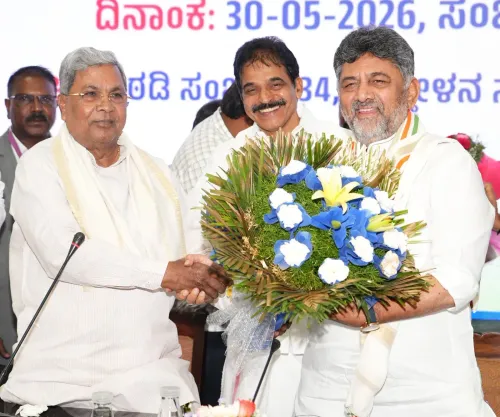
CM Shivakumar Opens 73rd Cooperative Week, Gives Sahakara Ratna Awards

Synopsis
Chief Minister D.K. Shivakumar inaugurated the 73rd Sahakara Saptaha 2026 in Bengaluru, organised by the Karnataka Rajya Sahakara Mahamandala, and presented Sahakara Ratna Awards to distinguished cooperative sector contributors. Ministers Savadi, Devegowda, Somashekhar and Apex Bank Chairman Ravi were present.
Key Takeaways
Shivakumar inaugurated the 73rd Sahakara Saptaha 2026 in Bengaluru on 14 November 2026 .
The event was organised by the Karnataka Rajya Sahakara Mahamandala , the state's apex cooperative body.
The CM conferred the Sahakara Ratna Award on individuals who made significant contributions to the cooperative sector.
Senior attendees included Cooperation Minister Lakshmana Savadi , MLA and Federation President G.T.
Devegowda , MLA and Housing Federation President S.T.
Somashekhar , and Apex Bank Chairman S.
India has observed the All India Cooperative Week every November since the mid-1950s , making 2026 the 73rd consecutive edition .
Karnataka's cooperative network spans dairy, sugar, credit, and housing sectors, touching millions of rural households and farmers.
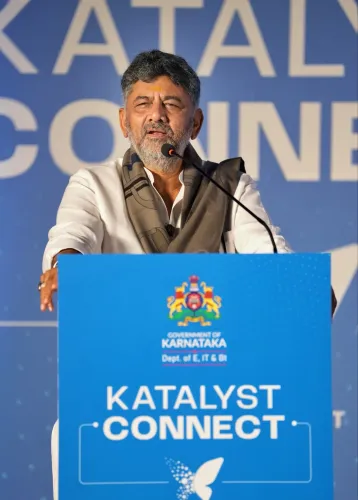
Bengaluru's cooperative sector gathered under one roof on Saturday, 14 November 2026, as Chief Minister D.K. Shivakumar inaugurated the 73rd Sahakara Saptaha (Cooperative Week) 2026 — and handed the movement's highest state honour to those who built it from the ground up.
The event, organised by the Karnataka Rajya Sahakara Mahamandala (Karnataka State Cooperative Federation) in Bengaluru, saw the Chief Minister confer the Sahakara Ratna Award on distinguished individuals who have rendered significant service to the cooperative sector. The award is the state's formal acknowledgement that the quiet, unglamorous work of cooperative institution-building deserves a spotlight.
Who Shared the Stage in Bengaluru
Flanking the Chief Minister at the ceremony were several senior figures from Karnataka's cooperative ecosystem. Lakshmana Savadi, the state's Minister for Cooperation, was present alongside G.T. Devegowda, MLA and President of the Karnataka Sahakara Mahamandala. S.T. Somashekhar, MLA and President of the Karnataka Cooperative Housing Federation, and S. Ravi, Chairman of the Apex Bank and Member of the Legislative Council, also attended the function.
Seven Decades of Sahakara Saptaha
India has observed the All India Cooperative Week every November since the mid-1950s — making this the 73rd consecutive edition. The tradition was born to promote the cooperative movement across rural credit, agriculture, dairy, sugar, and housing, and to formally recognise contributions that rarely make front pages. Karnataka maintains one of India's stronger state-level cooperative networks, and successive governments have used the annual week as both a celebration and a policy signal to the sector.
The Sahakara Ratna Award, the centrepiece of the ceremony, is the state's most visible mechanism for honouring cooperative leaders — a reminder that rural financial inclusion and community-led enterprise depend on individuals who rarely seek the limelight.
What the Cooperative Sector Means for Karnataka
Karnataka's cooperative web stretches across dairy federations, sugar factories, urban and rural credit societies, and housing boards — touching millions of farmers and low-income households. The Apex Bank, whose chairman attended the event, sits at the apex of the state's cooperative credit pyramid, channelling funds to district and primary cooperative banks. When the Chief Minister personally inaugurates Sahakara Saptaha, it signals that the sector's demands — for better capitalisation, technology upgrades, and regulatory support — are on the government's radar heading into the next assembly session.
Seventy-three years of an unbroken tradition is itself the story: the cooperative movement has outlasted governments, ideologies, and economic fashions. The question now is whether the next budget cycle will match the ceremony's warm words with concrete allocations.
Point of View
Dairy workers, and housing-society members — that the ruling dispensation views the sector as politically and economically consequential. Cooperative week events have historically served as soft-launch platforms for upcoming rural-sector policy announcements, making the post-event assembly session worth watching. The Sahakara Ratna conferral also reinforces the government's strategy of recognising grassroots institution-builders, a move that carries quiet electoral weight in rural Karnataka. Whether the ceremony translates into enhanced budget allocations or regulatory reform will determine its lasting significance.
NationPress
14 Nov 2026
Frequently Asked Questions
What is Sahakara Saptaha and why is it celebrated?
Sahakara Saptaha, or Cooperative Week, is an annual event observed every November across India since the mid-1950s to promote the cooperative movement and honour contributions in rural credit, agriculture, dairy, sugar, and housing sectors.
What is the Sahakara Ratna Award?
The Sahakara Ratna Award is Karnataka's state honour conferred on individuals who have rendered distinguished service to the cooperative sector, presented annually during Sahakara Saptaha.
Who inaugurated the 73rd Sahakara Saptaha 2026 in Karnataka?
Chief Minister D.K. Shivakumar inaugurated the 73rd Sahakara Saptaha 2026 in Bengaluru, organised by the Karnataka Rajya Sahakara Mahamandala.
Who is Lakshmana Savadi?
Lakshmana Savadi is Karnataka's Minister for Cooperation and was present at the 73rd Sahakara Saptaha inauguration alongside the Chief Minister.
What is the Karnataka Rajya Sahakara Mahamandala?
The Karnataka Rajya Sahakara Mahamandala is the apex state body responsible for coordinating cooperative societies across Karnataka and organising the annual Cooperative Week events.