CM Shivakumar Meets Jal Shakti Minister, Pushes Karnataka Water Projects
Synopsis
Karnataka Chief Minister D.K. Shivakumar met Union Jal Shakti Minister C.R. Patil in New Delhi on 12 June 2026, pressing for expedited central clearances on Mekedatu, KWDT-II notification, Upper Bhadra funding, and Kalasa-Banduri approvals to secure irrigation and drinking water for millions of Karnataka farmers.
Key Takeaways
Shivakumar met Jal Shakti Minister C.R.
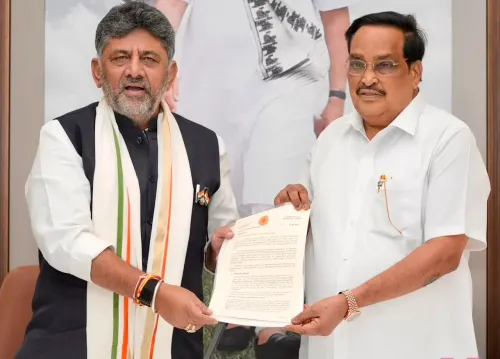
Patil in New Delhi on 12 June 2026 with a formal written representation.
Karnataka sought expedited clearances for the Mekedatu balancing reservoir on the Cauvery river, pending since around 2017–2018 .
The state pressed for notification of the KWDT-II Award , which has been stalled for over a decade since its 2010 delivery.
Release of committed central assistance for the Upper Bhadra Project — a lift irrigation scheme for drought-prone central Karnataka — was specifically requested.
Approvals for the Kalasa-Banduri Mahadayi diversion, cleared by tribunal in 2018 but pending environmental and wildlife clearances, were also raised.
The projects collectively address irrigation, drinking water security, and drought mitigation for millions of farmers across Karnataka.
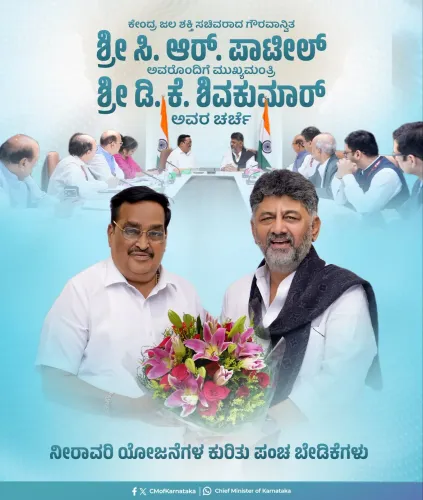
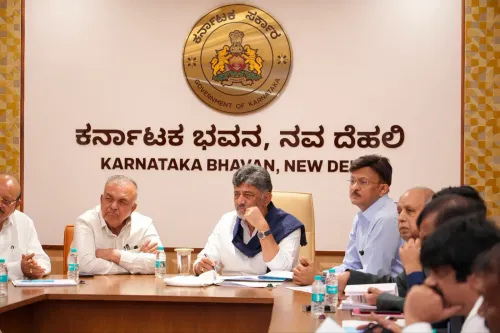
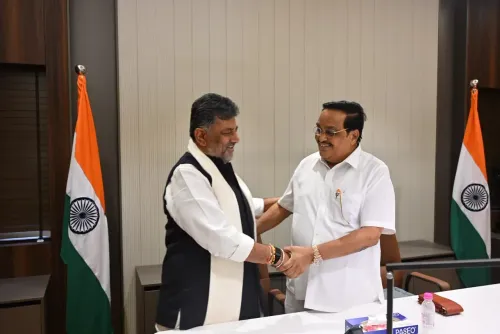
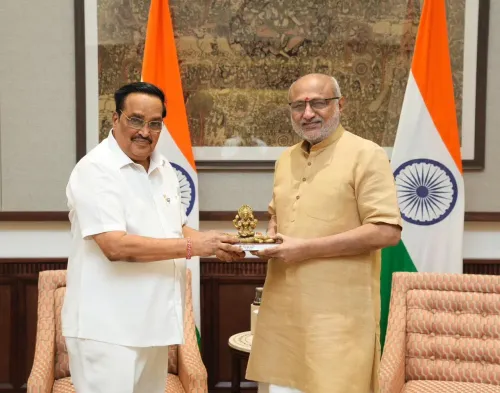
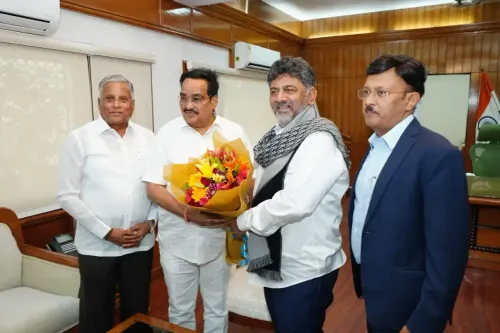
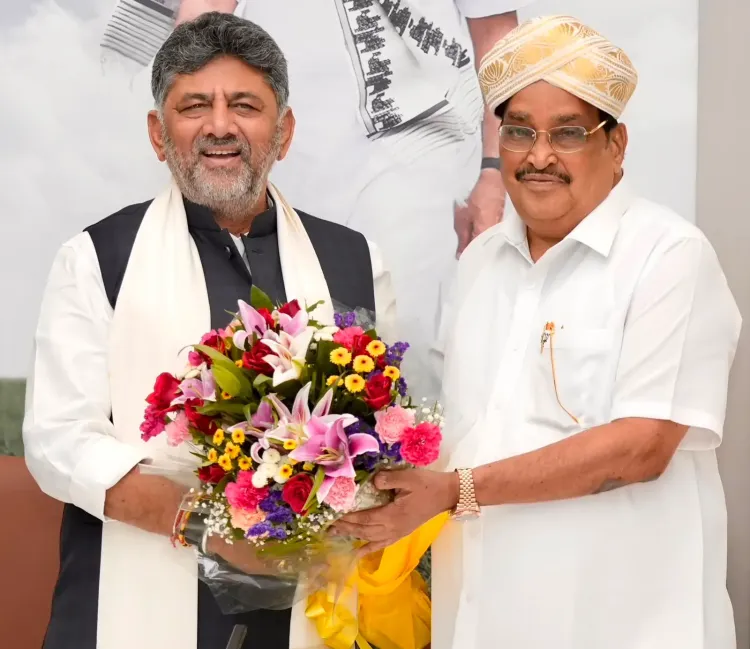
The Chief Minister's Office of Karnataka announced on Friday, 12 June 2026 that Chief Minister Shri D.K. Shivakumar met Union Jal Shakti Minister Shri C.R. Patil in New Delhi, accompanied by Major and Medium Irrigation Minister Shri R.L. Raju, and submitted a detailed representation on several critical water resource projects and pending proposals concerning Karnataka.
Context
Chief Minister Shivakumar urged the Union Government to expedite clearances and extend necessary support for four key initiatives: the Mekedatu balancing reservoir project, notification of the KWDT-II Award, release of committed central assistance for the Upper Bhadra Project, and approvals for the Kalasa-Banduri diversion projects. The Chief Minister's Office stated these measures are 'crucial for irrigation, drinking water security, drought mitigation, and the welfare of millions of farmers across Karnataka.'
The delegation's visit to the Jal Shakti Ministry marks a formal escalation of Karnataka's long-standing push for Union-level action on projects that have been stalled at various stages of central clearance, inter-state dispute resolution, and funding release.
Policy Backdrop
The Mekedatu project, a proposed balancing reservoir on the Cauvery river, was formally submitted to the Central Water Commission around 2017–2018 and has since faced resistance from Tamil Nadu, which contests any new storage structure in the Cauvery basin. The Krishna Water Disputes Tribunal-II delivered its award in 2010, but its notification has remained contested among riparian states — Karnataka, Maharashtra, Telangana, and Andhra Pradesh — for over a decade.
The Upper Bhadra Project, a lift irrigation scheme targeting drought-prone districts in central Karnataka, received in-principle approval under the Accelerated Irrigation Benefits Programme in the mid-2010s with phased central assistance committed but not fully released. The Kalasa-Banduri diversion from the Mahadayi river — intended to supply drinking water to the Hubballi-Dharwad region — was cleared by the Mahadayi Water Disputes Tribunal in 2018, but final central environmental and wildlife clearances remain pending, with Goa contesting the diversion.
Stakeholders and Impact
The projects collectively cover irrigation, drinking water, and drought relief for a substantial portion of Karnataka's population, with particular relevance for farmers in the state's northern and central drought-prone districts. Expedited clearances for Upper Bhadra and Kalasa-Banduri would directly benefit communities in the Malaprabha and Bhadra river command areas, regions that have historically recorded below-average rainfall and recurring agrarian distress.
The KWDT-II notification, if issued, would resolve long-pending water-share ambiguities affecting agricultural planning across multiple states. Tamil Nadu and Goa, as opposing riparian parties on Mekedatu and Kalasa-Banduri respectively, are key stakeholders whose positions will influence the pace of Union-level decisions.
What's Next
The Union Government's formal response to the submitted representation will be closely watched, including any decision to constitute expert committees, release pending funds in an upcoming Cabinet meeting, or include project allocations in the next Union Budget cycle. Parallel legal or tribunal filings by Tamil Nadu on Mekedatu or by Goa on Kalasa-Banduri could affect the timeline for central clearances.
Karnataka's pattern of high-level ministerial engagement with the Jal Shakti Ministry underscores that water security has emerged as a defining political and developmental priority for the state government, one that will likely intensify ahead of the next agricultural season.
Point of View
Deploying formal written representations to create an official record of pending demands. The bundling of four structurally distinct projects — spanning Cauvery, Krishna, Bhadra, and Mahadayi basins — into a single representation is a deliberate political strategy to frame water security as a unified state interest rather than isolated disputes. Progress on any one of these files would carry significant electoral symbolism in drought-prone constituencies. The Union Government's response, or lack thereof, will itself become a data point in Karnataka's ongoing federal negotiations.
NationPress
26 Oct 2026
Frequently Asked Questions
What is the Mekedatu project and why is it pending?
The Mekedatu project is a proposed balancing reservoir on the Cauvery river in Karnataka, intended for drinking water supply and power generation. It has been pending central clearance since around 2017–2018 primarily due to opposition from Tamil Nadu, which contests new storage structures in the Cauvery basin.
What is the KWDT-II Award and why has it not been notified?
The Krishna Water Disputes Tribunal-II delivered its award in 2010 allocating Krishna river water shares among Karnataka, Maharashtra, Telangana, and Andhra Pradesh. Its notification has been delayed for over a decade due to unresolved objections from riparian states, leaving water allocations in legal and administrative limbo.
What is the Upper Bhadra Project and who does it benefit?
The Upper Bhadra Project is a lift irrigation scheme in central Karnataka designed to address drought mitigation and drinking water supply in the region. It received in-principle central approval under the Accelerated Irrigation Benefits Programme but committed funding tranches have not been fully released.
Why is the Kalasa-Banduri project disputed?
The Kalasa-Banduri project involves diverting water from the Mahadayi river to supply drinking water to Karnataka's Hubballi-Dharwad region. While the Mahadayi Water Disputes Tribunal cleared the diversion in 2018, Goa contests it and final central environmental and wildlife clearances remain pending.
Why did Karnataka CM Shivakumar meet the Jal Shakti Minister?
Chief Minister D.K. Shivakumar met Union Jal Shakti Minister C.R. Patil in New Delhi on 12 June 2026 to submit a formal representation urging the Union Government to expedite clearances and release committed funds for several long-pending water resource projects critical to Karnataka's irrigation and drinking water needs.