Jal Shakti Minister Paatil meets Karnataka CM Shivakumar in Delhi
Synopsis
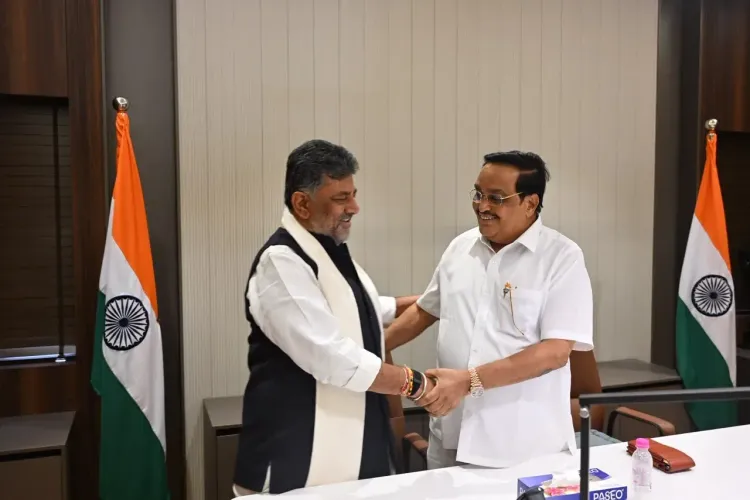
Union Jal Shakti Minister C. R. Paatil and Karnataka Chief Minister D. K. Shivakumar met in New Delhi on June 12, 2026, discussing water conservation, management, and public-welfare schemes. The courtesy meeting underscores ongoing centre-state coordination critical to delivering water infrastructure to rural Karnataka.
Key Takeaways
Paatil , Union Jal Shakti Minister, received Karnataka CM D.
Shivakumar for a courtesy meeting in New Delhi on June 12, 2026 .
Discussions covered water conservation, resource management, and public-welfare initiatives under the Jal Shakti Ministry .
Both sides emphasised coordinated centre-state efforts to make water-sector programmes more effective.
The Jal Jeevan Mission (launched 2019 ) for rural tap-water connections is a key scheme requiring state-level implementation by Karnataka .
No specific new commitments were announced publicly; follow-up statements or project approvals are expected.
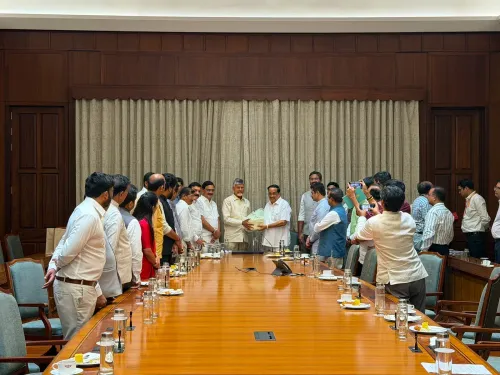
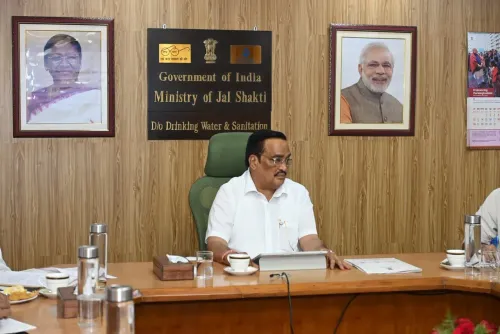
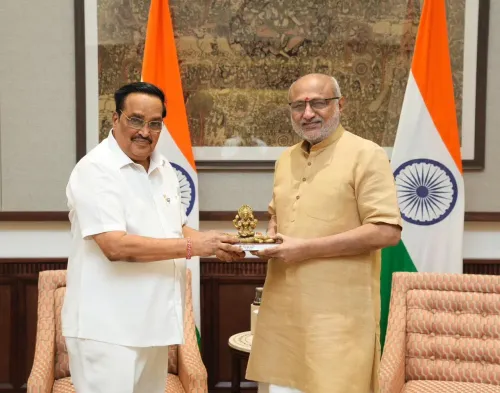
Union Jal Shakti Minister C. R. Paatil received Karnataka Chief Minister D. K. Shivakumar for a courtesy call in New Delhi on Friday, June 12, 2026, during which the two leaders discussed a range of issues relating to the state and the Jal Shakti Ministry.
Context
Shivakumar called on Paatil at the Union Minister's office in the capital in what officials described as a shishṭāchār bheṃṭ (courtesy meeting). The discussions, according to Paatil's post on X, spanned 'various subjects connected to the state and the Jal Shakti Ministry,' with a focus on making water conservation, management, and public-welfare initiatives more effective through coordinated effort between the Centre and Karnataka.
The meeting comes as several water-sector schemes require active centre-state coordination for timely implementation and fund utilisation at the ground level.
Policy Backdrop
The Jal Jeevan Mission, launched in 2019, remains the flagship central programme for delivering functional household tap-water connections to rural India, with state governments serving as primary implementation partners. Karnataka, like other large states, is responsible for on-ground execution, including laying pipelines, commissioning water-supply infrastructure, and meeting coverage targets.
India's National Water Policy framework — last revised in 2012 — continues to guide centre-state cooperation on conservation and river-basin management. Regular ministerial-level interactions are a standard mechanism for resolving funding gaps, addressing implementation bottlenecks, and aligning state priorities with national targets.
Stakeholders and Impact
Rural households in Karnataka stand to benefit most directly from any acceleration in scheme delivery that emerges from such high-level discussions. The state has a substantial rural population still awaiting full coverage under centrally sponsored water programmes.
State-level officials and district administration teams are the operational stakeholders who translate ministerial agreements into on-ground project progress. Smooth centre-state dialogue reduces delays in fund release and technical approvals, directly affecting the pace of work.
What's Next
Observers will watch for any follow-up joint statements, revised project timelines, or fresh approvals emerging from the Jal Shakti Ministry and the Karnataka government in the coming weeks. Such courtesy meetings often precede formal project reviews or inter-governmental working-group sessions.
With implementation deadlines for several water-sector missions on the horizon, the Centre and Karnataka are expected to maintain regular engagement to ensure targets are met and resources are deployed efficiently.
Point of View
Signalling that implementation pressures on the Jal Jeevan Mission transcend party lines. Karnataka's scale and the complexity of its water-resource landscape make such direct ministerial engagement essential rather than ceremonial. The interaction also reflects the Centre's broader strategy of holding state governments accountable for utilising central funds and meeting coverage targets before upcoming programme review cycles. Sustained follow-through — in the form of joint project approvals or expedited fund releases — will determine whether this meeting translates into measurable on-ground impact.
NationPress
28 Jul 2026
Frequently Asked Questions
Why did Karnataka CM Shivakumar meet Union Minister C. R. Paatil?
Shivakumar paid a courtesy call on Jal Shakti Minister C. R. Paatil in New Delhi on June 12, 2026, to discuss water conservation, resource management, and public-welfare schemes connected to the Jal Shakti Ministry and Karnataka.
What is the Jal Jeevan Mission and how does it relate to Karnataka?
The Jal Jeevan Mission is a central government scheme launched in 2019 to provide functional household tap-water connections in rural India. Karnataka is a key implementation partner responsible for executing the programme at the state level.
What did C. R. Paatil and D. K. Shivakumar discuss?
According to Minister Paatil's official post, discussions focused on various subjects linked to the Jal Shakti Ministry and Karnataka, with emphasis on making water conservation, management, and public-welfare work more effective through coordinated centre-state effort.
What is the Jal Shakti Ministry responsible for?
The Union Ministry of Jal Shakti handles water resources, river development, and the Ganga rejuvenation programme. It oversees flagship schemes such as the Jal Jeevan Mission and coordinates with state governments on water policy implementation.
What outcomes are expected from the Paatil-Shivakumar meeting?
No specific commitments were publicly announced. Observers are watching for follow-up joint statements, revised project timelines, or fresh approvals between the Jal Shakti Ministry and the Karnataka government in the coming weeks.