CM Shivakumar visits PAMPA Textiles of Karnataka at NGMA Bengaluru
Synopsis
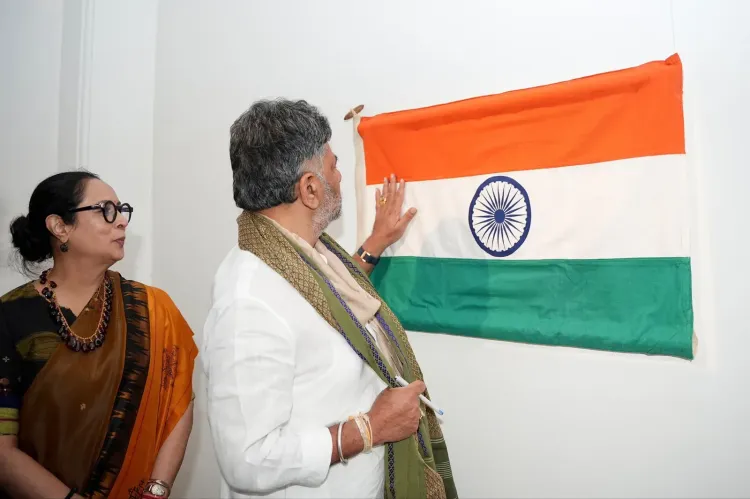
Chief Minister D K Shivakumar and Transport Minister Bairati Suresh visited the PAMPA – Textiles of Karnataka exhibition at NGMA Bengaluru on 2 November 2026, reaffirming the state government's commitment to protecting Karnataka's handloom heritage and supporting traditional weavers and artisans.
Key Takeaways
CM D K Shivakumar and Transport Minister Bairati Suresh visited the PAMPA – Textiles of Karnataka exhibition at NGMA Bengaluru on 2 November 2026 .
The exhibition showcases Karnataka's traditional weaving techniques, handloom patterns, and multi-generational artisan craftsmanship.
GI-tagged textiles such as Ilkal and Molakalmuru sarees are central to Karnataka's handloom identity being promoted at the event.
The Karnataka Handloom Development Corporation , founded in 1975 , has been the state's long-standing institutional support for weaver welfare and marketing.
The government reaffirmed its commitment to promoting and protecting the state's handloom heritage and supporting weavers facing powerloom competition.
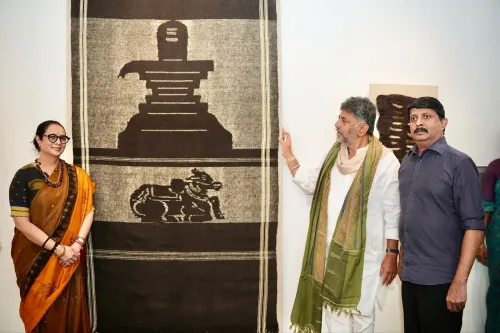
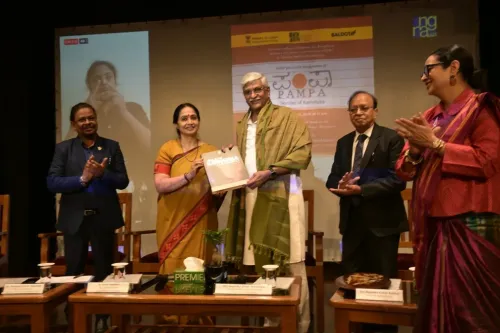
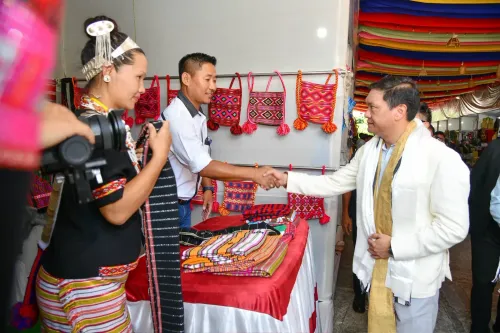
Silk threads, handloom sarees, and centuries of craft tradition filled the halls of Bengaluru's National Gallery of Modern Art (NGMA) on Monday, 2 November 2026, as the Chief Minister's Office of Karnataka announced that Chief Minister D K Shivakumar visited the 'PAMPA – Textiles of Karnataka' ('PAMPA – Karnataka's Textile Diversity') exhibition alongside Transport Minister Bairati Suresh.
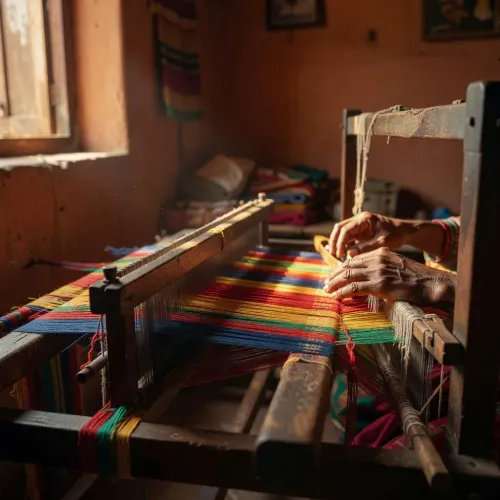
The exhibition is a curated showcase of the state's living textile heritage — traditional weaving techniques, intricate handloom patterns, and artisan craftsmanship that has been refined across generations. The post from the Chief Minister's Office described the display as one that 'reveals our rich textile heritage, traditional weaving methods, and extraordinary craftsmanship that has grown across generations, celebrating the artistic legacy of Karnataka's weavers and artisans.'
What PAMPA puts on display
Karnataka's handloom identity is vast and varied. The state is home to globally recognised weaves — from the geometric borders of Ilkal sarees to the fine thread work of Molakalmuru, each carrying a Geographical Indication (GI) tag that protects their authenticity. The PAMPA exhibition brings this diversity into a single, accessible venue, making the case that handloom is not just heritage — it is a living, economic practice for thousands of households across the state.
The Karnataka Handloom Development Corporation, established in 1975, has long been the state's institutional anchor for weaver welfare and market access. Events like PAMPA sit within that longer arc of state-backed promotion, pairing cultural visibility with an implicit push for consumer demand.
The weavers at the centre of the commitment
Beyond the exhibition floor, the visit carried a political signal. The Chief Minister's Office stated plainly that the government 'remains ever committed to promoting and protecting the state's rich handloom heritage, and to supporting the weavers and artisans who keep these traditional arts alive today.' The framing — preservation plus livelihood — is deliberate. Handloom weavers across Karnataka have long faced pressure from powerloom competition, and state governments have periodically used cultural showcases to reinforce both buyer awareness and policy intent.
With Transport Minister Bairati Suresh accompanying the Chief Minister, the visit also signalled broader cabinet-level engagement with artisan welfare, rather than treating it as a niche portfolio concern.
Whether PAMPA becomes a springboard for fresh budget allocations, new GI applications, or cluster development announcements will be the real measure of the government's follow-through — but for now, Karnataka's looms have the spotlight they deserve.
Point of View
Giving such gestures more policy substance than a routine inauguration. The presence of the Transport Minister alongside the CM suggests the government is broadening the political ownership of artisan welfare beyond a single ministry. The real test will be whether the exhibition translates into measurable commitments — fresh cluster funding, expanded GI applications, or weaver income-support schemes — in the next state budget.
NationPress
2 Nov 2026
Frequently Asked Questions
What is the PAMPA – Textiles of Karnataka exhibition?
PAMPA – Textiles of Karnataka is an exhibition held at the National Gallery of Modern Art (NGMA) in Bengaluru that showcases the state's traditional weaving techniques, handloom heritage, and artisan craftsmanship across generations.
Who visited the PAMPA exhibition?
Chief Minister D K Shivakumar visited the PAMPA exhibition alongside Transport Minister Bairati Suresh on 2 November 2026.
Where is the National Gallery of Modern Art in Karnataka?
The National Gallery of Modern Art (NGMA) has a branch in Bengaluru, Karnataka, which hosted the PAMPA – Textiles of Karnataka exhibition.
What are Karnataka's famous GI-tagged handloom textiles?
Karnataka is known for several Geographical Indication (GI)-tagged handloom products including Ilkal sarees and Molakalmuru sarees, both recognised for their distinct weaving styles and regional heritage.
What is the Karnataka Handloom Development Corporation?
The Karnataka Handloom Development Corporation was established in 1975 to provide marketing support and welfare assistance to handloom weavers across the state, serving as the government's institutional anchor for the sector.