CM Siddaramaiah Brings Kambala to Mysore Dasara
Synopsis
Chief Minister DK Shivakumar inaugurated a Kambala buffalo-racing event at Mysore Dasara 2026, tracing its 800-year origins to Kadri Manjunatha, announcing Rs 5 lakh support for 23 meets, and declaring the coastal sport a symbol of unified Karnataka identity.
Key Takeaways
CM DK Shivakumar flagged off a Kambala competition as part of Mysore Dasara 2026 on 18 October 2026 .
Around 3,000 participants from the coastal region of Karnataka travelled to Mysore to conduct the event.
A buffalo pair completed the Kambala track in 9 seconds , prompting the CM to suggest athletic training for Kambala runners.
The state government is providing Rs 5 lakh each to 23 Kambala meets as direct financial support.
A history book on Kambala's connections to the Vijayanagara Empire will be released in the coming months.
The top 100 reels tagged to @mysoredasara_2026 will receive government awards.
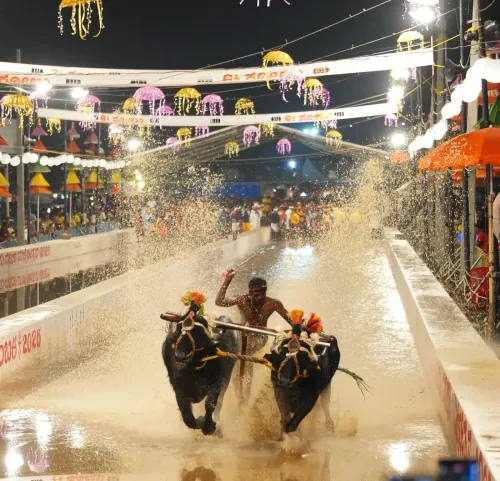
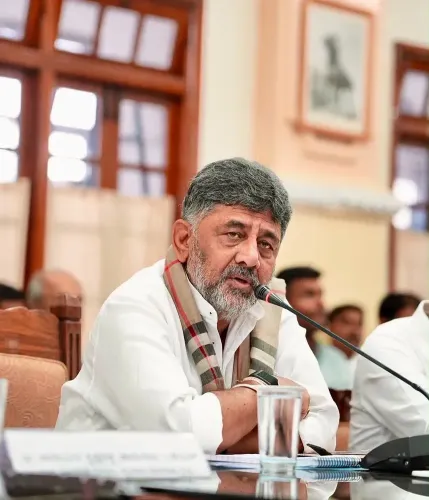
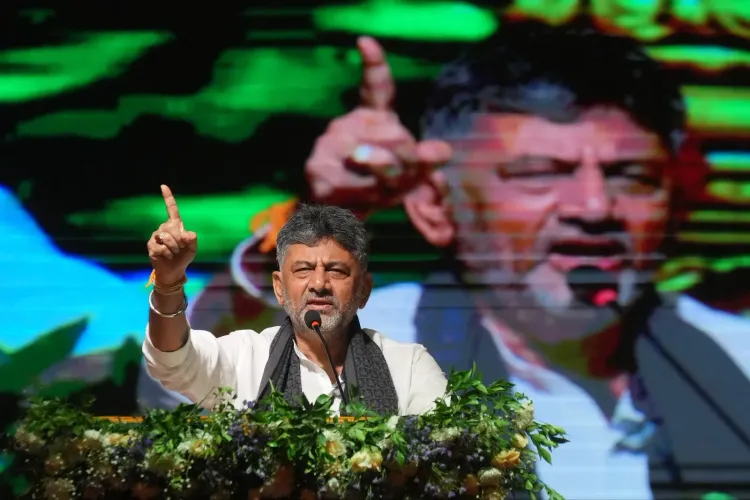
A coastal sport born in paddy fields 800 years ago roared into the heart of Mysore Dasara 2026 on Sunday, 18 October — as Chief Minister DK Shivakumar flagged off a Kambala competition at the state's grandest festival and declared the buffalo-racing tradition a sport for all of Karnataka, not just the coast.
From Kadri Manjunatha's fields to Mysore's festival ground
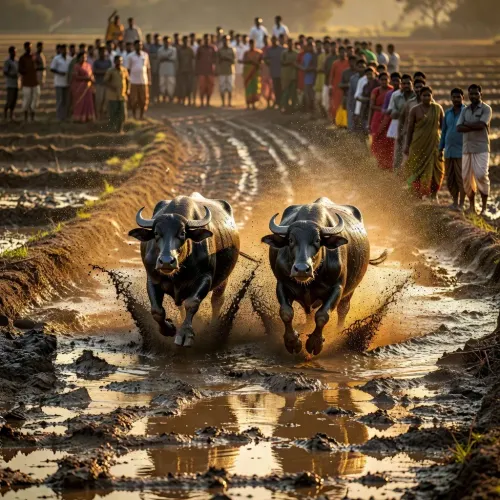
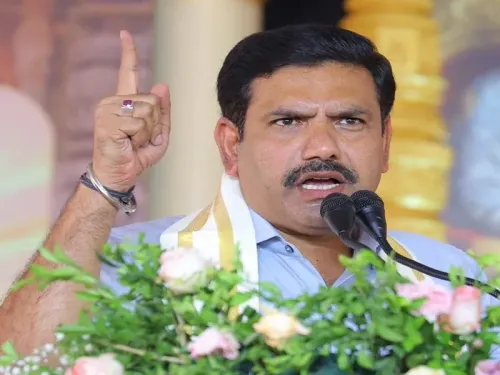
Speaking at the event, CM Shivakumar traced Kambala's origins to an act of devotion. 'ಭಕ್ತಿಯ ಬೇರು, ಕೃಷಿಯ ತಳಹದಿ, ಪರಂಪರೆಯ ಶಕ್ತಿ ಕಂಬಳದ ವೈಶಿಷ್ಟ್ಯ' — 'Devotion as its root, agriculture as its foundation, tradition as its strength — that is what makes Kambala unique,' he said. The sport began, he explained, as a form of prayer and service to Kadri Manjunatha, a revered temple deity in coastal Karnataka, by farmers seeking protection for their livelihoods.
Around 3,000 people from the coastal belt travelled to Mysore to conduct the event — a logistical feat the Chief Minister publicly saluted on behalf of the government. The spectacle drew lakhs of visitors from across Karnataka, many of them watching a live Kambala race for the first time outside the coast.
9 seconds on the track — and an athletics ambition
The day produced a striking data point: the district collector informed the Chief Minister that a buffalo pair had completed the Kambala track in just 9 seconds. Shivakumar seized on the figure. He said his belief is that Kambala runners, if given proper athletic training, could compete at the highest levels of track-and-field athletics. The remark was brief but pointed — a policy hint wrapped in a sporting observation.
Rs 5 lakh per meet and a history book in the pipeline
The government announced that it is providing Rs 5 lakh each to 23 Kambala meets as direct state support. Shivakumar also revealed that a history book documenting the links between Kambala, coastal Karnataka's buffalo-honouring traditions, and the Vijayanagara Empire — whose kings are said to have paid tribute to buffaloes from the coastal region — will be released in the coming months.
Dasara's cultural programme this year has also featured Veeragase and Dollu Kunitha alongside Kambala, as the government explicitly used the Mysore platform to present the full spectrum of Karnataka's regional performing traditions.
'Criticism dies, the work survives'
The Chief Minister acknowledged that the decision to bring Kambala to Dasara drew criticism. His response was characteristically blunt: 'ಟೀಕೆಗಳು ಸಾಯುತ್ತವೆ, ಕೆಲಸಗಳು ಉಳಿಯುತ್ತವೆ' — 'Criticism dies; the work survives.' He framed the initiative as a constitutional duty: as Chief Minister, he said, it is his responsibility to make every culture and tradition of the state part of the Dasara programme.
The unifying slogan of the day encapsulated the government's message: 'ಒಂದೇ ನಾಡು ಹಲವು ಸಂಸ್ಕೃತಿ, ಒಂದೇ ಕನ್ನಡತನ ಅದುವೇ ಅಖಂಡ ಕರ್ನಾಟಕ' — 'One state, many cultures; one Kannada identity — that is undivided Karnataka.' Citizens are also being invited to make reels about Mysore Dasara 2026, tag the official page @mysoredasara_2026, and compete for prizes awarded to the top 100 entries.
When a coastal rain-and-mud ritual earns a place under Chamundeshwari's banner in Mysore, Karnataka's cultural map quietly gets redrawn — and that is exactly the point.
Point of View
The Shivakumar government is attempting to stitch together the politically distinct coastal, Mysuru, and Kalyana Karnataka constituencies under a single Kannada-identity banner. The Rs 5 lakh-per-meet funding and the promised Vijayanagara history book add institutional weight to what might otherwise read as a symbolic gesture. The CM's pointed dismissal of critics — 'criticism dies, the work survives' — signals that the government is prepared to absorb cultural-politics pushback and use the Dasara platform as an annual showcase of regional pluralism. Whether the history book and the athletics-pipeline idea for Kambala runners translate into sustained policy will be the real test of this moment.
NationPress
19 Oct 2026
Frequently Asked Questions
What is Kambala and where does it come from?
Kambala is a traditional buffalo-racing sport from the coastal Karnataka region, rooted in agricultural culture and devotion. It is believed to have originated around 800 years ago as a form of service and prayer to Kadri Manjunatha , a temple deity in coastal Karnataka, with farmers seeking divine protection for their livelihoods.
Why was Kambala held at Mysore Dasara 2026?
CM DK Shivakumar decided to bring Kambala from the coastal belt to Mysore Dasara 2026 to honour the state's diverse cultural traditions and send a message of unified Karnataka identity, presenting it alongside other folk arts like Veeragase and Dollu Kunitha.
How much money is the Karnataka government giving to Kambala events?
The Karnataka government is providing Rs 5 lakh each to 23 Kambala meets as direct state support to promote the traditional sport.
What is the connection between Kambala and the Vijayanagara Empire?
CM Shivakumar stated that the kings of the Vijayanagara Empire historically honoured buffaloes from the coastal Karnataka region. A history book documenting this connection is set to be released in the coming months.
How fast did the buffaloes run at the Mysore Dasara Kambala event?
The district collector informed CM Shivakumar that a buffalo pair completed the Kambala track in just 9 seconds during the event, prompting the CM to suggest that Kambala participants could excel in athletics with proper training.