CM Siddaramaiah Launches Praja Seva Dept to Bring Govt to Citizens
Synopsis
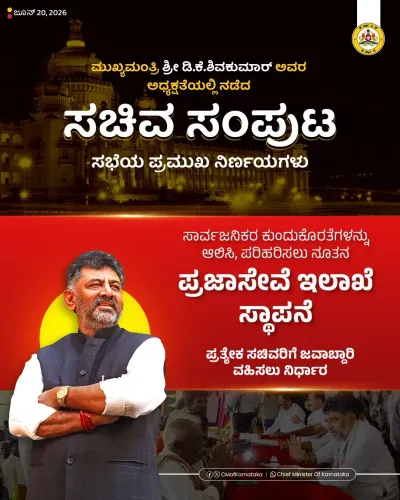
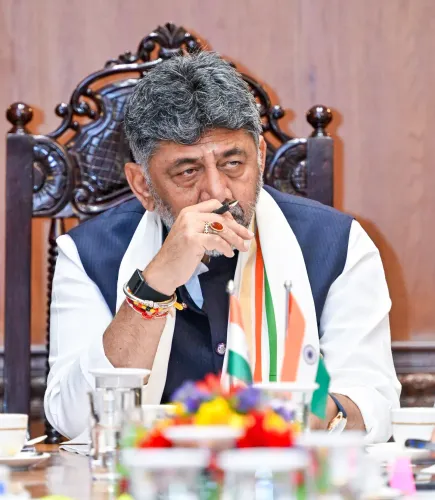
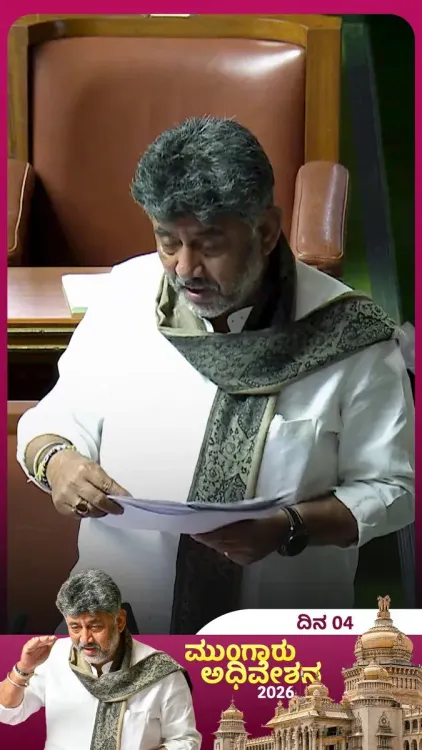
Karnataka Chief Minister D.K. Shivakumar announced the Praja Seva Department in the Vidhana Sabha on 19 August 2026, pledging to bring government services directly to citizens unable to visit Vidhana Soudha — framing it as a reform built on the earlier Sakala framework.
Key Takeaways
Shivakumar announced the Praja Seva Department from the floor of the Vidhana Sabha on 19 August 2026 .
The department's stated goal is to deliver government services to citizens who cannot travel to Vidhana Soudha in Bengaluru.
The CM acknowledged the earlier Sakala framework from the BJP era and described the new department as giving it 'a new form'.
Karnataka's Sakala Services Act, 2011 , originally mandated time-bound delivery of public services across state departments.
Implementation details — staffing, mandate, district rollout — are expected to emerge in forthcoming government orders and assembly sessions.
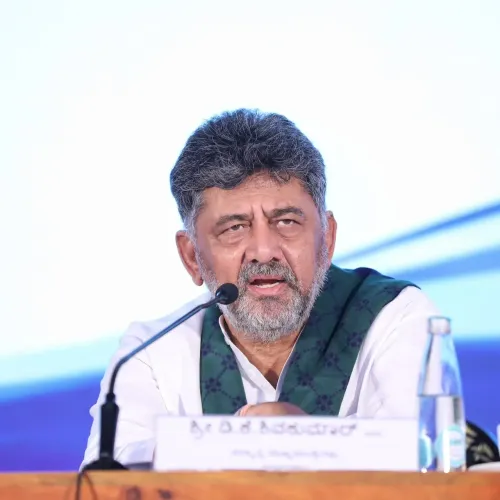
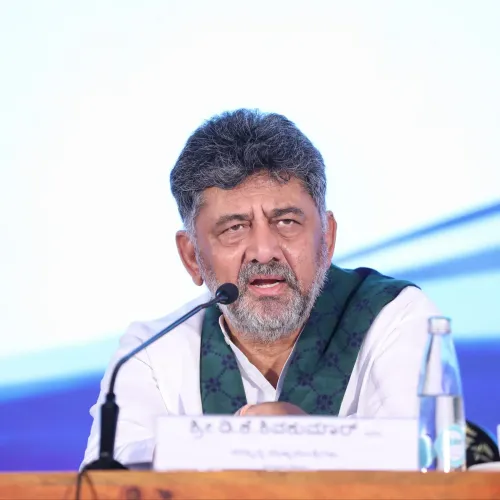
The government must come to the people — not the other way around. Speaking on the floor of the Vidhana Sabha on Wednesday, 19 August 2026, Karnataka Chief Minister D.K. Shivakumar announced the launch of the Praja Seva Department, a new administrative arm designed to deliver government services directly to citizens who cannot make the journey to Vidhana Soudha in Bengaluru.
In his address, the Chief Minister said: 'ನಾವು ಇಲ್ಲಿಗೆ ಬಂದಿರೋದು ಜನರ ಸೇವೆಗಾಗಿ' — 'We have come here to serve the people.' He acknowledged the earlier Sakala framework introduced during the BJP tenure and said he was giving it 'a new form' with this department. The intent, he made clear, is to carry the government to citizens' doorsteps rather than expecting citizens to navigate bureaucratic corridors.
What Sakala was — and what Praja Seva aims to become
Karnataka's Sakala Services Act, 2011, was a landmark reform that mandated time-bound delivery of public services across state departments. It was one of the more substantive citizen-service frameworks in India, covering hundreds of services with defined deadlines. Shivakumar framed the new Praja Seva Department as building on that foundation while extending its reach — particularly to rural populations and the elderly, disabled, or economically marginalised who have no practical access to Vidhana Soudha.
The announcement fits a pattern that has defined the Karnataka Congress government since it swept to power in May 2023: positioning each governance initiative as a corrective to the BJP's 2019–2023 record. Whether this department translates into a meaningful structural shift will depend on the government orders, staffing mandates, and budget provisions that follow — details the coming assembly sessions are expected to flesh out.
The political weight of a Vidhana Sabha declaration
Announcing a new department from the floor of the legislature — rather than through a press release — is a deliberate signal. It places the commitment on the public record and invites legislative scrutiny. For a government that has staked its identity on the 'Seva' (service) promise, the optics reinforce a consistent narrative heading into the second half of its term.
The real test arrives when district-level rollout begins: whether Praja Seva camps, mobile units, or dedicated officers actually reach the last-mile citizen, or whether the department remains a headline waiting for its implementation order.
Point of View
And this is a textbook example. Building on Sakala rather than replacing it shows tactical shrewdness: it avoids dismissing a popular reform while claiming ownership of its evolution. The deeper question is whether the department acquires real institutional muscle — budget lines, field officers, measurable service targets — or remains a rebranding of existing outreach mechanisms. Announced from the Vidhana Sabha floor, the commitment is now on legislative record, which raises the political cost of non-delivery as the Congress government moves into the second half of its term.
NationPress
20 Aug 2026
Frequently Asked Questions
What is the Praja Seva Department in Karnataka?
The Praja Seva Department is a new administrative body announced by Karnataka Chief Minister D.K. Shivakumar on 19 August 2026. Its purpose is to deliver government services directly to citizens who are unable to visit Vidhana Soudha in Bengaluru.
What was the Sakala scheme in Karnataka?
Sakala, established under the Karnataka Sakala Services Act, 2011, was a framework that mandated time-bound delivery of hundreds of public services across state departments. CM Shivakumar described the new Praja Seva Department as building on and reforming this earlier initiative.
Who announced the Praja Seva Department?
Karnataka Chief Minister D.K. Shivakumar announced the department during a speech in the Vidhana Sabha on 19 August 2026.
How is Praja Seva Department different from Sakala?
While Sakala focused on time-bound service delivery at government offices, the Praja Seva Department is designed to take services proactively to citizens at their location — particularly those who cannot travel to Vidhana Soudha or district offices.
When will the Praja Seva Department begin operations in Karnataka?
An exact launch date for operations has not been announced. Government orders detailing the department's staffing, mandate, and district-level rollout are expected in forthcoming assembly sessions.