CM Siddaramaiah Meets Mutt Heads in Cordial Talks
Synopsis
Karnataka Chief Minister Siddaramaiah on June 16, 2026, held a cordial meeting with heads of various mutts from across the state. The interaction reflects the established tradition of Karnataka governments engaging religious institutions as stakeholders in governance and social harmony.
Key Takeaways
Karnataka Chief Minister Siddaramaiah met heads of multiple mutts from across the state on June 16, 2026 .
The Chief Minister described the meeting as 'cordial,' with discussions held in a spirit of goodwill.
Mutt heads ( Mathadhipathis ) are influential religious and community leaders whose engagement with political leadership is a long-standing Karnataka governance tradition.
The specific agenda and outcomes of the meeting were not publicly disclosed.
Successive Karnataka governments across parties have maintained regular dialogue with mutt heads to manage caste-community dynamics and social stability.
Follow-up policy or administrative actions may emerge in subsequent Cabinet meetings or legislative sessions.
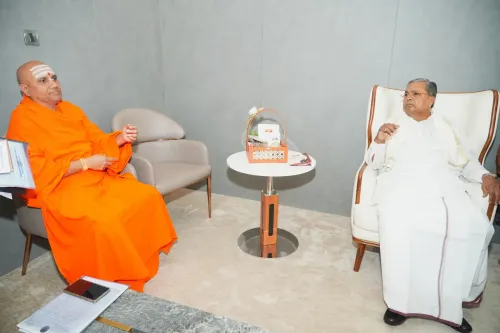
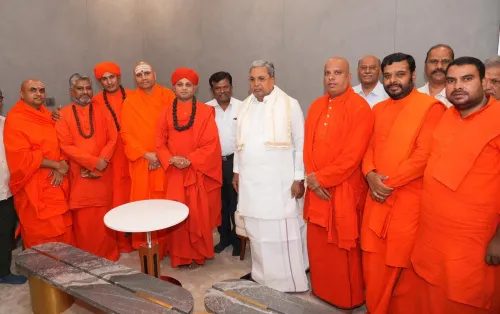
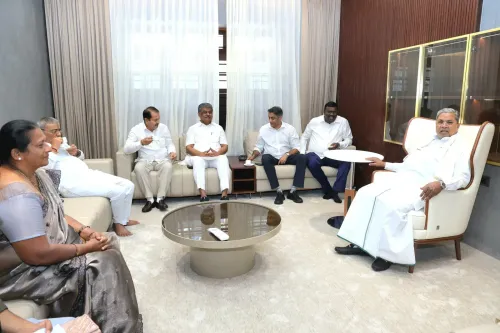
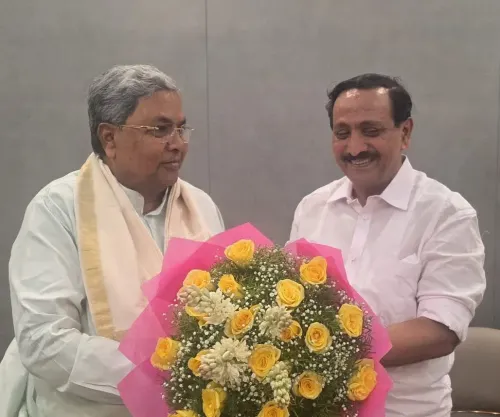
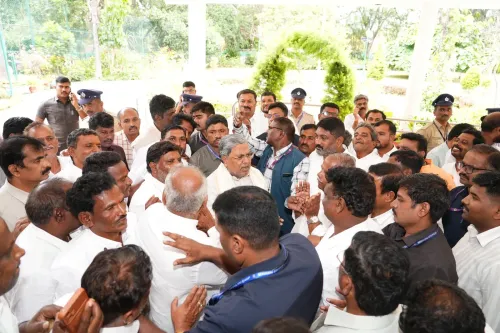
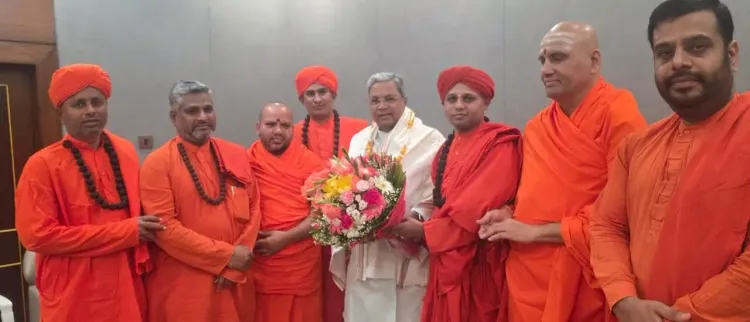
Karnataka Chief Minister Siddaramaiah on Tuesday, June 16, 2026, received heads of various mutts (monastic institutions) from across the state in a cordial meeting at his office, engaging in discussions that underscored the enduring role of religious institutions in the state's governance and social fabric.
Posting on X, the Chief Minister wrote in Kannada: 'ರಾಜ್ಯದ ವಿವಿಧ ಮಠಗಳ ಪೂಜ್ಯ ಮಠಾಧೀಶರುಗಳು ಇಂದು ಸೌಹಾರ್ದಯುತವಾಗಿ ನನ್ನನ್ನು ಭೇಟಿಯಾಗಿ, ಮಾತುಕತೆ ನಡೆಸಿದರು.' — ('The revered heads of various mutts of the state cordially met me today and held discussions.') The post was accompanied by two photographs from the meeting.
Context
The term Mathadhipathis refers to the heads of Karnataka's traditional Hindu monastic institutions, which wield considerable social and community influence across the state. These institutions represent diverse sects and communities, and their leaders are regarded as moral and spiritual authorities whose engagement with political leadership carries symbolic and practical weight. The Chief Minister's description of the meeting as 'cordial' (sauhaardayutavagi) signals a tone of goodwill and mutual respect.
Policy Backdrop
Successive Karnataka governments, across party lines, have maintained a tradition of engagement with mutt heads as part of managing caste-community relations and preserving social harmony. Congress administrations in earlier terms have similarly convened such interactions, recognising the influence these institutions hold over large sections of the electorate and civil society. The practice reflects an established governance pattern in which religious and community institutions are treated as stakeholders in state affairs.
Karnataka's social landscape is shaped significantly by the influence of institutions associated with communities such as the Lingayats, Vokkaligas, and others — each with prominent mutt structures that command loyalty across districts. Chief ministers routinely maintain open channels with these bodies, particularly during periods requiring consensus-building on social or policy matters.
Stakeholders and Impact
The meeting brings together two significant spheres of Karnataka public life: the elected state government and the heads of religious institutions that serve as community anchors for millions of citizens. For the Siddaramaiah-led Congress government, sustained dialogue with mutt heads can serve as a bridge to communities that may have varied political affiliations, reinforcing the administration's outreach beyond partisan lines. The mutt heads, in turn, gain a direct channel to raise community concerns with the highest executive in the state.
While the specific agenda and outcomes of the June 16 meeting have not been publicly detailed, such interactions historically touch on issues ranging from social welfare, educational institutions run by mutts, land and infrastructure needs, and broader questions of communal harmony.
What's Next
Observers will watch for any follow-up policy announcements or administrative decisions that may emerge in subsequent Cabinet meetings or legislative sessions, which could indicate the substantive outcomes of today's discussions. The Chief Minister's decision to publicly post about the meeting suggests an intent to signal openness and accessibility to religious and community leadership across Karnataka.
Point of View
The optics of a sitting Chief Minister welcoming mutt heads 'cordially' carry weight with constituencies that look to these institutions for political cues. Whether this translates into concrete policy outcomes will be the real test of the engagement's depth.
NationPress
16 Sept 2026
Frequently Asked Questions
Why did Karnataka CM Siddaramaiah meet mutt heads on June 16, 2026?
Karnataka Chief Minister Siddaramaiah met heads of various mutts from across the state on June 16, 2026, for cordial discussions, as part of the established tradition of Karnataka governments engaging religious institutions on governance and community matters.
What are mutts and why do they matter in Karnataka politics?
Mutts are traditional Hindu monastic institutions in Karnataka whose heads, called Mathadhipathis, wield significant social, spiritual, and community influence. They represent major communities including Lingayats and Vokkaligas, making them important stakeholders in state governance and electoral politics.
What was discussed at the Siddaramaiah mutt heads meeting?
The specific agenda and outcomes of the June 16, 2026 meeting were not publicly disclosed. Historically, such meetings cover topics including social welfare, educational institutions run by mutts, infrastructure needs, and communal harmony.
Is it common for Karnataka chief ministers to meet mutt heads?
Yes, successive Karnataka chief ministers across party lines have regularly engaged mutt heads as part of managing caste-community relations and maintaining social stability. The practice is an established feature of Karnataka governance.
What can we expect after Siddaramaiah's meeting with mutt heads?
Observers will watch for any policy announcements or administrative decisions in upcoming Cabinet meetings or legislative sessions that may reflect the outcomes of the June 16 discussions.