CM Siddaramaiah Rallies All Parties on Cauvery
Synopsis
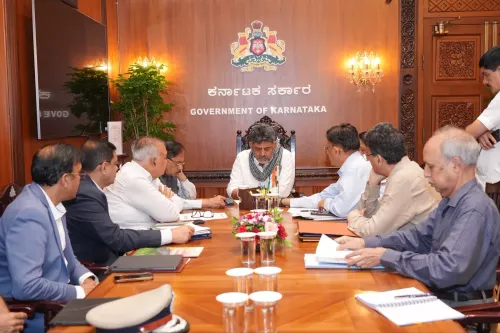
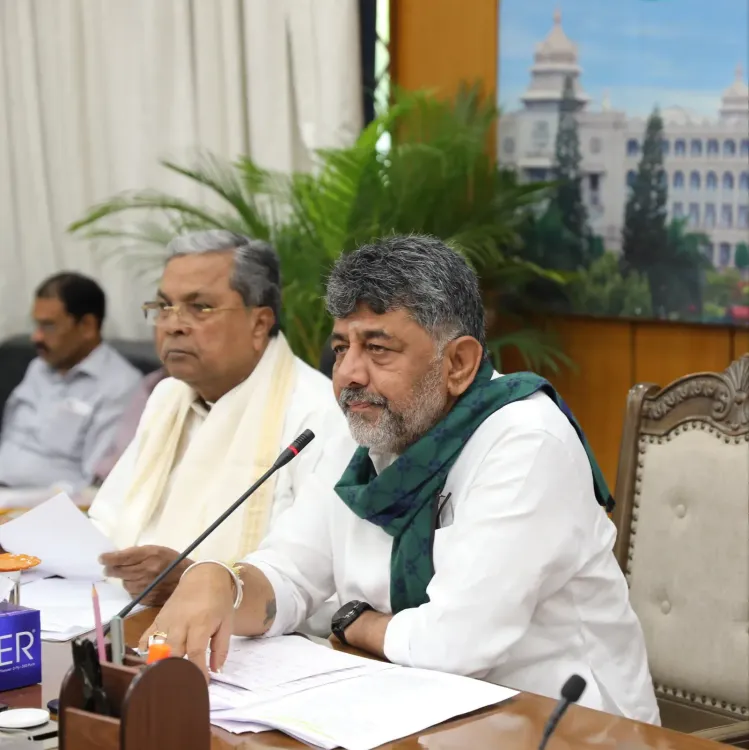
Chief Minister D.K. Shivakumar convened an all-party meeting on 2 August 2026 to align Karnataka's political leadership on the Cauvery water dispute, asserting that drinking water must take priority and thanking cross-party leaders — including BJP veterans — for backing the state's position ahead of key CWRC and CWMA meetings.
Key Takeaways
Shivakumar chaired an all-party meeting on 2 August 2026 focused on the Cauvery water dispute .
The Karnataka government's stated red line: drinking water supply takes first priority over any release schedule.
Shivakumar personally met Union Jal Shakti Minister C.R.
Patil , Union Ministers Prahlad Joshi and V.
Somanna , and former CMs Basavaraj Bommai and Jagadish Shettar ahead of CWRC and CWMA meetings.
Karnataka MPs across all parties pledged unity at a separate meeting in New Delhi to advocate for the state's interests at the parliamentary level.
The Cauvery Water Management Authority (CWMA) and CWRC meetings, now imminent, will set seasonal water release schedules between Karnataka and Tamil Nadu.
Karnataka's cross-party consensus on Cauvery is a long-standing tradition, also seen in disputes over the Mahadayi and Krishna rivers.
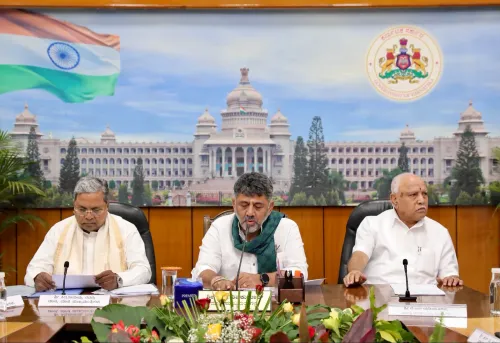
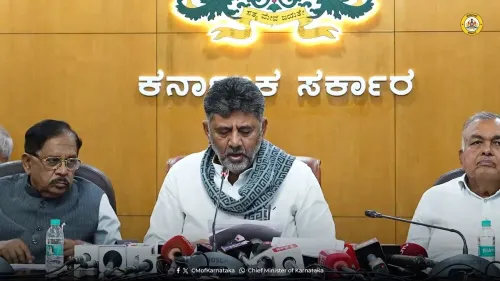
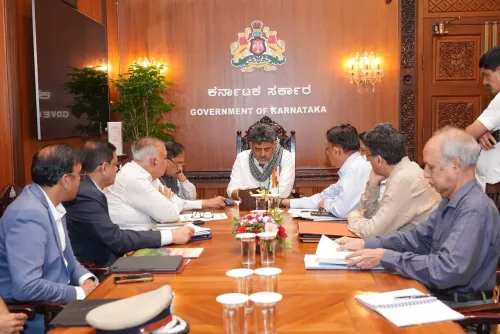
Karnataka's most enduring political fault line — the Cauvery water dispute — dissolved, at least for a day, into rare cross-party solidarity on Sunday, 2 August 2026, as Chief Minister D.K. Shivakumar convened an all-party meeting and delivered an opening address that put farmers and drinking water ahead of electoral arithmetic.
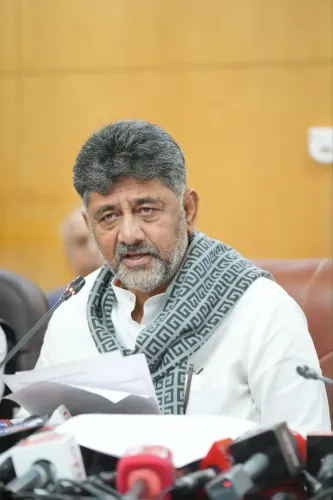
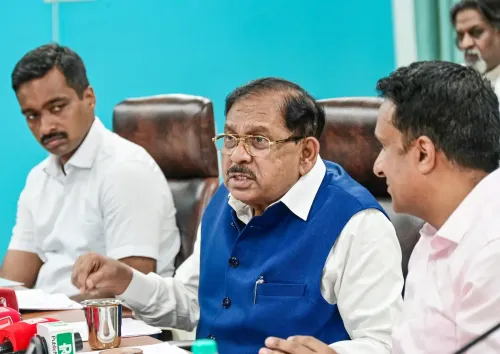
Speaking at the all-party meeting on the Cauvery water issue, CM Shivakumar was direct: 'ರಾಜಕೀಯಕ್ಕಿಂತ ರಾಜ್ಯದ ರೈತರ ಹಾಗೂ ಜನರ ಹಿತವೇ ಮುಖ್ಯ' — 'The welfare of the state's farmers and people matters more than politics.' It is the kind of line every Karnataka politician has said before. What made Sunday different was who was in the room nodding along.
Shivakumar's pre-meeting push in Delhi
Before the Cauvery Water Regulatory Committee (CWRC) and Cauvery Water Management Authority (CWMA) meetings could even be scheduled, CM Shivakumar made personal calls on senior central figures. He met Union Jal Shakti Minister C.R. Patil, Union Ministers Prahlad Joshi and V. Somanna, and — critically — former BJP Chief Ministers Basavaraj Bommai and Jagadish Shettar, walking each of them through Karnataka's position on water releases.
That kind of pre-emptive diplomacy — a Congress Chief Minister briefing BJP veterans before a statutory authority sits down — signals how seriously Bengaluru's government is treating this cycle of the dispute. The CWMA, the central statutory body that referees releases between Karnataka and Tamil Nadu, holds the power to direct reservoir operations; having all Karnataka voices aligned before it meets is a calculated move.
Drinking water as Karnataka's non-negotiable red line
The Chief Minister's office was unambiguous about the state's hierarchy of priorities: drinking water comes first. 'Our government's clear position is that drinking water must be given the first priority,' the address stated — a pointed reference to Bengaluru's chronic supply stress during lean monsoon years, when Cauvery releases to Tamil Nadu reduce the city's reservoir cushion.
The Cauvery Water Disputes Tribunal delivered its final award in 2007, and the Supreme Court revised the allocation formula in 2018, fixing annual shares for the basin states. Yet every distress season reopens the same argument: Karnataka insists it cannot release water it does not have; Tamil Nadu insists on its legally guaranteed share. The CWRC and CWMA meetings now on the horizon will test which side the central authorities lean toward this season.
MPs across party lines pledge unity in Delhi
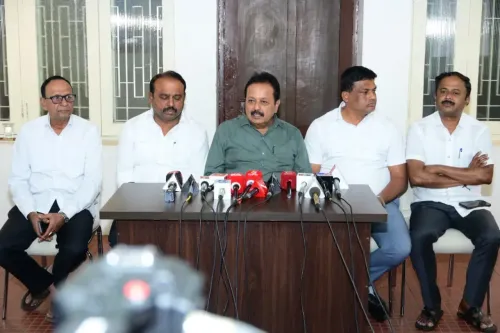
Beyond the state-level meeting, Karnataka's Members of Parliament — drawn from across the political spectrum — gathered separately in New Delhi and gave a collective commitment to advocate for the state's interests at the parliamentary level. CM Shivakumar acknowledged both sets of leaders, thanking all those who 'raised their voice for the state at the central level, setting aside party differences.'
The pattern is not new. Karnataka's political class has historically closed ranks on Cauvery, regardless of which party holds power in Bengaluru or in New Delhi. The same reflex has appeared in disputes over the Mahadayi and Krishna rivers. What changes each cycle is the urgency — and this season, with reservoir levels and a major city's drinking water supply in the balance, the stakes are high enough that even the optics of unity carry real weight.
The next moves belong to the CWRC and CWMA. Their decisions on seasonal release schedules will determine whether Sunday's cross-party solidarity translates into a concrete outcome for Karnataka's farmers and taps — or becomes another chapter in a dispute that has outlasted generations of politicians on both sides of the border.
Point of View
Shivakumar is attempting to box in the central government, making it harder to order Karnataka releases without cross-party blowback. The drinking-water-first framing is strategically durable: it shifts the moral calculus away from agricultural allocations, where Karnataka's legal position is more contested, toward urban supply, where public sympathy is overwhelming. Karnataka's tradition of cross-party Cauvery unity has historically been its strongest leverage against both Tamil Nadu and the Centre; sustaining it through a Congress-vs-BJP national backdrop is a genuine political achievement. Whether the solidarity holds when the CWMA actually issues a release directive will be the real test of Sunday's consensus.
NationPress
2 Aug 2026
Frequently Asked Questions
What is the Cauvery water dispute between Karnataka and Tamil Nadu?
The Cauvery dispute is a decades-old conflict over sharing the waters of the Cauvery river between Karnataka, Tamil Nadu, Kerala and Puducherry. The Cauvery Water Disputes Tribunal gave its final award in 2007 , and the Supreme Court revised the allocation in 2018 , but distress-season disagreements over actual releases continue to flare regularly.
What did CM D.K. Shivakumar say at the all-party meeting on 2 August 2026?
CM Shivakumar said the welfare of Karnataka's farmers and people must come before politics, declared that drinking water is the government's first priority, and thanked leaders from all parties — including BJP figures — for standing united in favour of the state's position.
What are CWRC and CWMA and why do they matter?
The Cauvery Water Regulatory Committee (CWRC) and the Cauvery Water Management Authority (CWMA) are central statutory bodies that monitor reservoir levels and direct water releases between Karnataka and Tamil Nadu. Their decisions each season effectively determine how much water Karnataka must release downstream.
Why did CM Shivakumar meet BJP leaders and Union Ministers before the CWMA meeting?
Shivakumar met Union Jal Shakti Minister C.R. Patil , Union Ministers Prahlad Joshi and V. Somanna , and former BJP Chief Ministers Basavaraj Bommai and Jagadish Shettar to brief them on Karnataka's position ahead of the CWRC and CWMA meetings, building cross-party pressure on the central government before any release order is issued.
Have Karnataka parties united on Cauvery before?
Yes. Karnataka has a well-established tradition of cross-party consensus on the Cauvery issue, regardless of which party governs the state or the Centre. Similar unity has emerged in other southern river disputes, including the Mahadayi and Krishna river controversies.