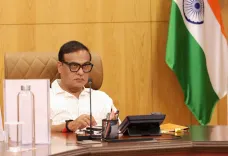
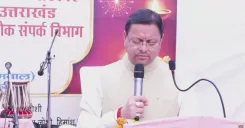
CM Hemant Soren Attends Marang Buru Mahasammelan in Giridih
Synopsis
Jharkhand Chief Minister Hemant Soren attended the Marang Buru Dhoromgad Mahasammelan in Giridih on November 5, 2026, saluting the Adivasi deity and welcoming participants from several states in a show of tribal cultural solidarity.
Key Takeaways
Hemant Soren attended the Marang Buru Dhoromgad Mahasammelan in Giridih, Jharkhand on November 5, 2026 .
Marang Buru is the supreme deity of the Santhal people, revered across Adivasi communities in multiple eastern Indian states.
Soren welcomed guests from 'various states,' indicating the event drew a cross-state Adivasi congregation.
The Jharkhand Mukti Morcha has consistently championed Adivasi asmita and pushed for recognition of indigenous Sarna faith practices since 2019.
Soren used the traditional greeting 'Johar' , signalling personal cultural solidarity with the assembled communities.
The event reflects ongoing political and legislative momentum around tribal cultural rights and religion codes in Jharkhand.
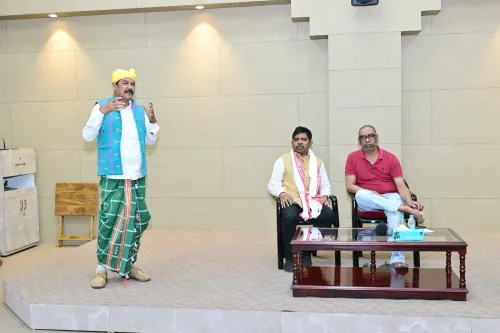
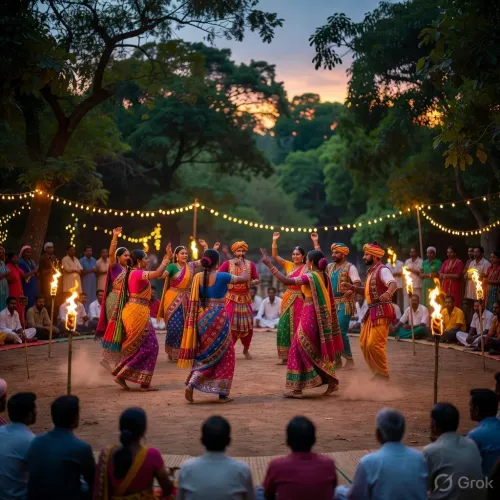
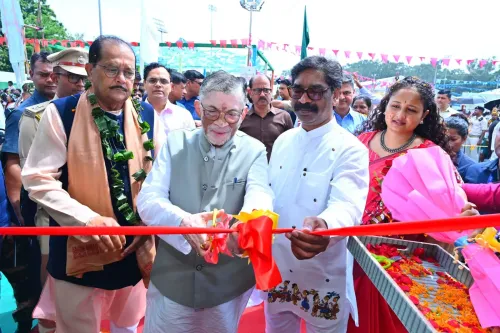
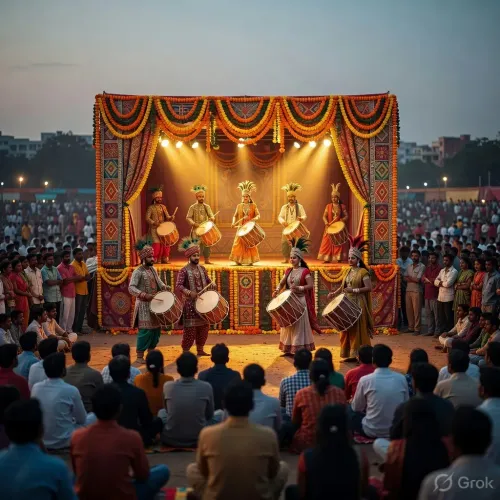
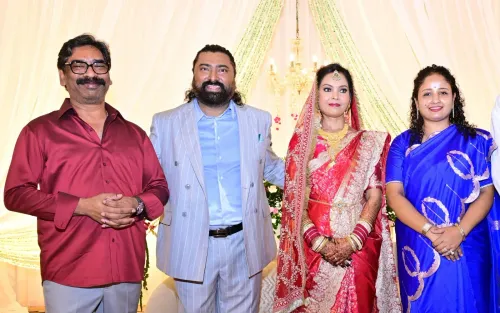
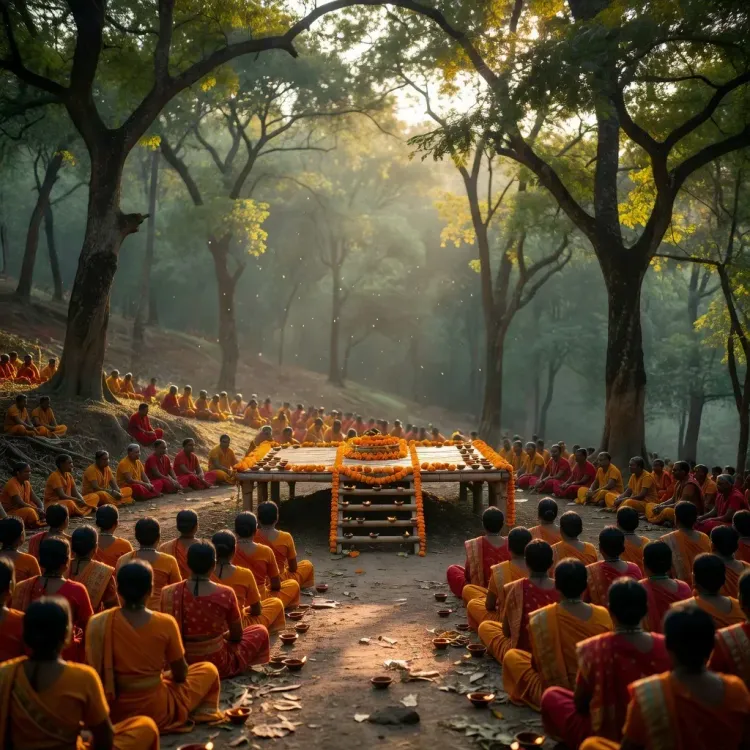
On the sacred hills of Giridih, Jharkhand, thousands gathered on Thursday, November 5, 2026 for the Marang Buru Dhoromgad Mahasammelan — a grand confluence of Adivasi faith, identity, and pride that drew dignitaries from multiple states. Jharkhand Chief Minister Hemant Soren was present, lending the full weight of the state's highest office to an occasion rooted in tribal spiritual heritage.
Posting on X in Hindi, Soren offered his reverence to Marang Buru — the mountain deity central to Santhal and broader Adivasi cosmology — writing, 'Marang Buru ko shat-shat naman' ('a hundredfold salutation to Marang Buru'). He welcomed all 'distinguished guests and people who have come from various states to this sacred land' and closed with the traditional Adivasi greeting: 'Johar! Johar Marang Buru!'
Who is Marang Buru, and why Giridih?
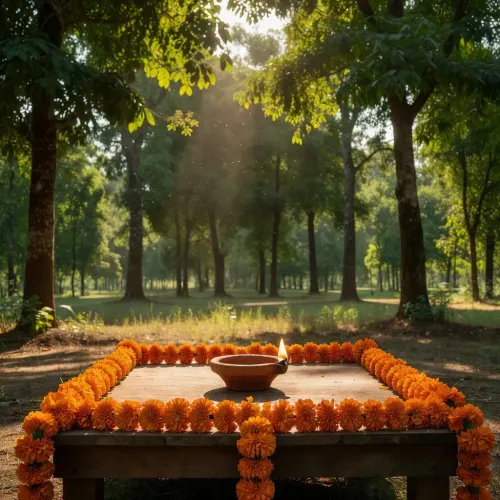
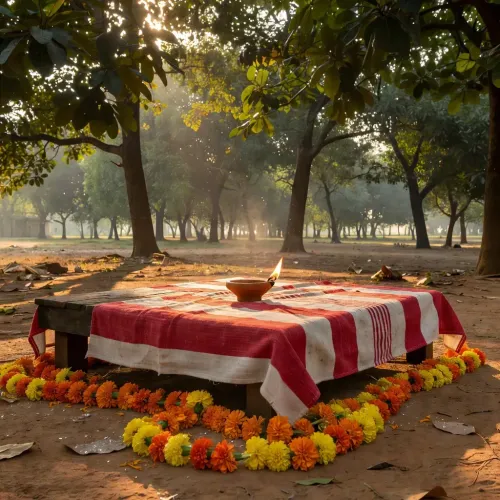
Marang Buru — literally 'Great Mountain' in Santali — is the supreme deity of the Santhal people, embodying the spirit of the land, the forest, and ancestral memory. For millions of Adivasi families spread across Jharkhand, West Bengal, Odisha, Bihar, and Assam, Marang Buru is not merely a religious figure but a living symbol of cultural survival. Giridih district, with its dense Adivasi population and forested terrain, is a natural seat for such a gathering.
The Dhoromgad — roughly, 'the fortress of faith' — framing of the mahasammelan signals something beyond routine religious assembly. It positions tribal identity as something to be defended and celebrated, not simply preserved in memory.
JMM's long thread of Adivasi cultural politics
This event fits a deliberate pattern. The Jharkhand Mukti Morcha (JMM), the party Soren leads as executive president, was built on the twin pillars of Adivasi asmita (identity) and regional autonomy. Since returning to power in 2019, the Soren-led government has consistently backed initiatives to recognise Sarna and other indigenous faith practices — a push that sits at the intersection of culture, politics, and constitutional identity.
Attending a multi-state tribal mahasammelan in person is a pointed statement. It tells Adivasi communities across eastern India that the Jharkhand government sees their cultural sovereignty as a governance priority, not an afterthought — especially as pressures from industrial development projects continue to reshape tribal homelands.
A greeting that carries political weight
'Johar' — the traditional Adivasi salutation of respect and solidarity — is not incidental language. For Soren, using it publicly and prominently is a marker of belonging, a signal that the Chief Minister speaks as a member of the community, not merely its administrator. The repeated cry of 'Johar Marang Buru!' in his post underlines that this was an act of participation, not just attendance.
With tribal cultural assemblies growing in scale and cross-state reach, the conversation around a formal Sarna religion code and indigenous rights legislation in Jharkhand's assembly will only grow louder in the sessions ahead.
Point of View
Soren reinforces the message that state power is an instrument of tribal self-determination. The multi-state character of the gathering also signals that tribal cultural assertion is no longer confined within Jharkhand's borders, raising the stakes for any future legislative moves on Sarna recognition. Watch for whether this momentum translates into concrete assembly business in the near term.
NationPress
5 Nov 2026
Frequently Asked Questions
What is the Marang Buru Dhoromgad Mahasammelan?
It is a large tribal assembly held to honour Marang Buru, the supreme deity of the Santhal community, bringing together Adivasi communities from multiple states to celebrate their shared faith and cultural identity.
Why did CM Hemant Soren attend the Giridih mahasammelan?
Soren attended to honour the Adivasi deity and welcome participants from several states, reinforcing his government's commitment to tribal cultural identity and the JMM's long-standing emphasis on Adivasi asmita.
What does 'Johar' mean?
'Johar' is the traditional Adivasi salutation of respect and solidarity, widely used among Santhal and other tribal communities across eastern India.
What is the Sarna religion code and how does it relate to this event?
The Sarna religion code is a proposed legislative category to formally recognise the indigenous faith of Adivasi communities in Indian census records; the Jharkhand government has backed this effort since 2019, and events like the mahasammelan keep the demand for cultural recognition politically visible.