CM Sukhu Reviews HP Health Dept, Announces NPA for Super-Specialists
Synopsis
Himachal Pradesh CM Sukhvinder Singh Sukhu reviewed the state Health Department on 19 June 2026, announcing a Non-Practicing Allowance for super-specialty doctors and directing population-based reclassification of Community Health Centres to improve rural healthcare access.
Key Takeaways
CM Sukhvinder Singh Sukhu chaired a Health Department review meeting on 19 June 2026 , assessing service delivery and recruitment progress.
The Himachal Pradesh government will introduce a Non-Practicing Allowance (NPA) to retain super-specialty doctors in public hospitals.
CM Sukhu will personally visit health institutions and consult doctors to draft a reform roadmap.
All Community Health Centres (CHCs) are to be reclassified on the basis of population to ensure equitable healthcare access near people's homes.
The meeting was attended by Rural Development Minister Anirudh Singh and senior health department officials.
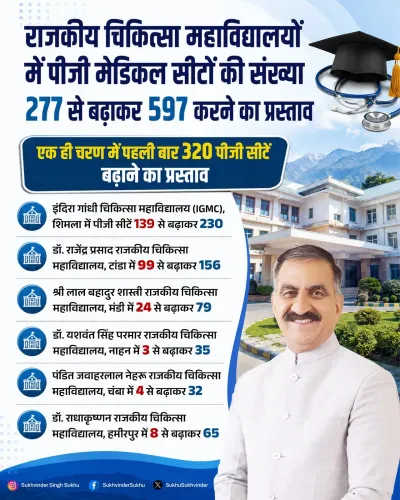
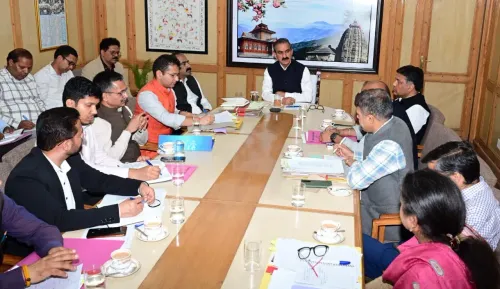
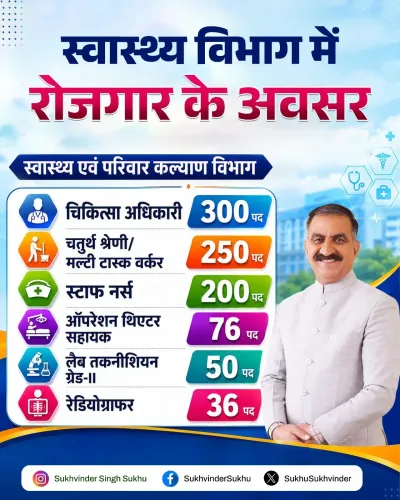
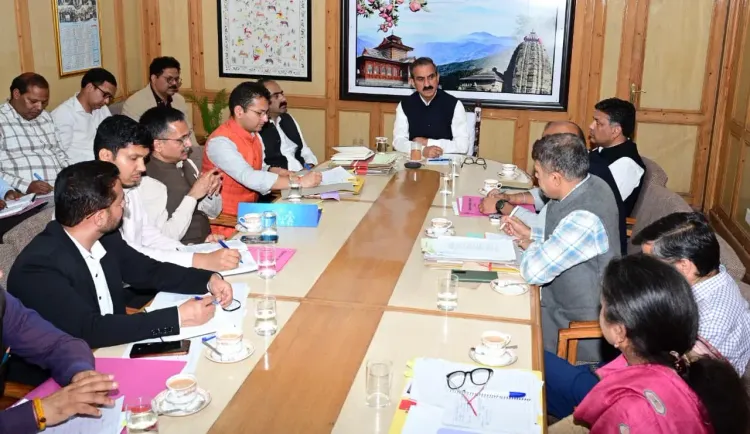
Himachal Pradesh Chief Minister Sukhvinder Singh Sukhu chaired a review meeting of the state Health Department on Friday, 19 June 2026, assessing the current state of public health services and the progress of ongoing recruitment drives. The Chief Minister announced that the state government will introduce a Non-Practicing Allowance (NPA) for super-specialty doctors to strengthen public healthcare delivery across the hill state.
Context
Posting on X, CM Sukhu outlined a multi-pronged approach to health sector reform. He stated — 'स्वास्थ्य विभाग की समीक्षा बैठक में मौजूदा स्थिति तथा चल रही भर्ती प्रक्रिया की प्रगति का जायजा लिया' — ('I reviewed the current situation and the progress of the ongoing recruitment process in the Health Department review meeting'). The meeting was attended by Rural Development and Panchayati Raj Minister Anirudh Singh and other senior officials of the department.
The Chief Minister also announced that he will personally visit various health institutions and engage directly with doctors to identify necessary reforms — a signal of hands-on administrative accountability at the highest level of state government.
Policy Backdrop
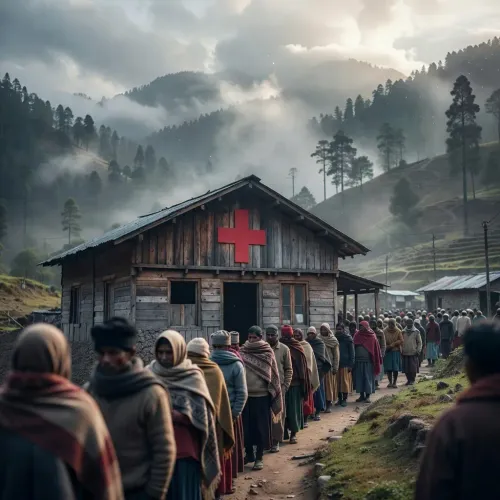
The Non-Practicing Allowance is a well-established financial incentive in Indian public health policy, designed to discourage government doctors from running private practices and to focus their expertise entirely on public hospitals. Himachal Pradesh, with its challenging mountainous terrain, has historically struggled to retain super-specialty doctors in government service, making the NPA announcement particularly significant for rural and semi-urban populations.
The directive to reclassify all Community Health Centres (CHCs) on the basis of population aligns with long-standing norms under the National Health Mission (2005), which mandated population-linked standards for secondary-level public health facilities. The Ayushman Bharat programme launched in 2018 further underscored the need for states to retain specialist doctors through financial incentives to expand care access at the grassroots level.
Stakeholders and Impact
The NPA announcement directly benefits super-specialty doctors employed in state-run hospitals, offering them a structured financial incentive to remain in public service rather than supplement income through private consultations. For rural patients — who form the majority of Himachal Pradesh's approximately 73 lakh population — the reclassification of CHCs by population means health infrastructure could be more equitably distributed closer to their homes.
The instruction to classify CHCs by population is aimed at ensuring, as the Chief Minister put it, that 'लोगों को उनके घर के पास ही बेहतर स्वास्थ्य सेवाएँ मिल सकें' — ('people can get better health services near their homes'). This directly addresses gaps in secondary care access in remote hill districts where travel to district hospitals can be arduous.
What's Next
The Himachal Pradesh Health Department is expected to work out the budgetary framework and eligibility criteria for the NPA scheme, with rollout details yet to be formally notified. The CHC reclassification exercise will be a key metric to watch, as its outcomes will determine whether resource allocation shifts meaningfully toward underserved populations. CM Sukhu's planned field visits to health institutions are expected to feed directly into a reform blueprint that will shape the department's priorities in the near term.
Point of View
But the real test will be whether budget allocations and administrative follow-through match the political intent. Together, these moves position the Congress-led state government to claim a credible health governance record ahead of future electoral cycles.
NationPress
19 Sept 2026
Frequently Asked Questions
What is the Non-Practicing Allowance announced by CM Sukhu for Himachal Pradesh doctors?
The Non-Practicing Allowance (NPA) is a financial incentive the Himachal Pradesh government will provide to super-specialty doctors in public service, compensating them for foregoing private medical practice so they can focus entirely on government hospitals.
Why is Himachal Pradesh reclassifying Community Health Centres?
CM Sukhu directed that all Community Health Centres be reclassified on the basis of population so that health resources and specialist services are distributed more equitably, ensuring people can access better healthcare closer to their homes.
Who attended the Himachal Pradesh Health Department review meeting on 19 June 2026?
The review meeting was attended by Rural Development and Panchayati Raj Minister Anirudh Singh along with other senior officials of the Himachal Pradesh Health Department.
What is CM Sukhu's plan to reform Himachal Pradesh's health sector?
CM Sukhu announced he will personally visit various health institutions across the state, engage directly with doctors, and use those consultations to prepare a blueprint for necessary reforms in public health service delivery.
How does the NPA help retain doctors in Himachal Pradesh government hospitals?
By offering a Non-Practicing Allowance, the state compensates super-specialty doctors financially for restricting their practice to public hospitals, reducing the incentive to supplement income through private consultations — a persistent challenge in hilly, remote states.