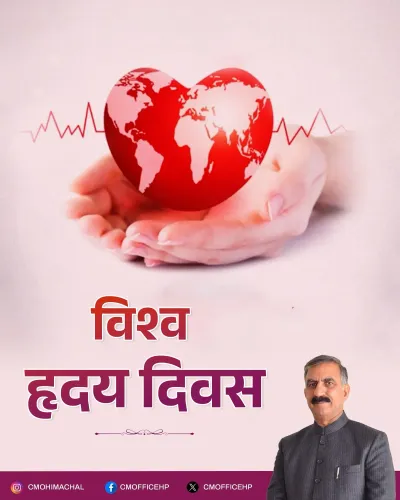
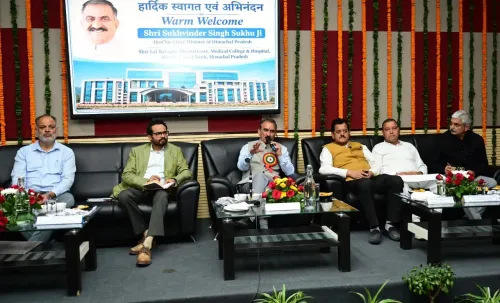
CM Sukhu urges Himachalis to put heart health first
Synopsis
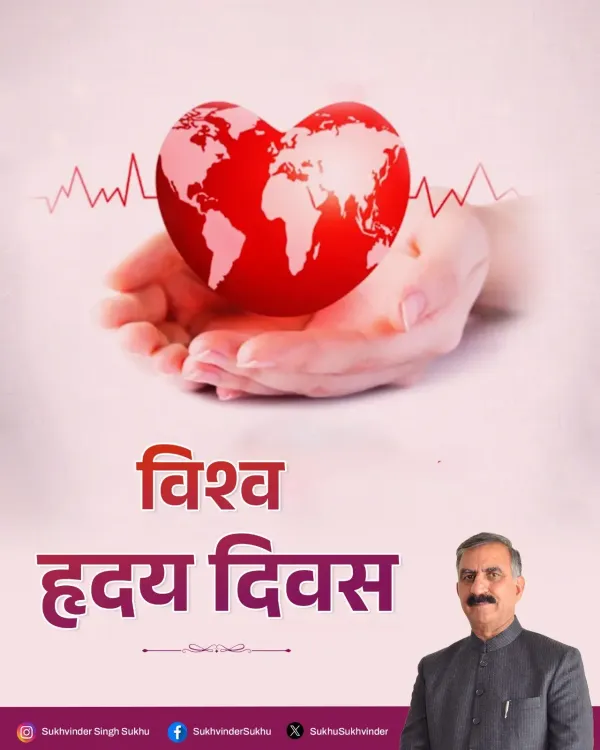
Chief Minister Sukhvinder Singh Sukhu on 29 September 2026 called on Himachal Pradesh residents to prioritise cardiovascular health through regular exercise, a balanced diet, and a stress-free lifestyle, sharing a Hindi message on X.
Key Takeaways
CM Sukhvinder Singh Sukhu posted a public health message on 29 September 2026 urging citizens to prioritise heart health.
The message advocates three lifestyle pillars: regular exercise , balanced diet , and stress-free living .
Sukhu described a healthy heart as 'the first rung of a healthy life.' The post reflects a broader pattern of Indian state leaders using social media for preventive cardiovascular health messaging.
Cardiovascular disease is the leading cause of death in India, making preventive public messaging especially relevant.
In the rush of daily life, it is easy to push health to the bottom of the list — Himachal Pradesh Chief Minister Sukhvinder Singh Sukhu wants that to change, and he is saying so plainly.
Posting on Tuesday, 29 September 2026, CM Sukhu shared a message in Hindi urging citizens to recognise that a healthy heart is the first step toward a healthy life. 'स्वस्थ हृदय, स्वस्थ जीवन की पहली सीढ़ी है' ('A healthy heart is the first rung of a healthy life'), he wrote, calling on people to make regular exercise, a balanced diet, and a stress-free lifestyle part of their daily routine.
Why Indian leaders keep returning to this message
Cardiovascular disease is now the leading cause of death in India, cutting across age groups and income levels. State governments from the plains to the hills have leaned on preventive messaging — urging citizens to act before a crisis, not after. For a hill state like Himachal Pradesh, where access to specialist cardiac care in remote districts remains limited, early lifestyle intervention carries extra weight.
CM Sukhu's post fits a visible pattern: elected leaders using social media to normalise health conversations rather than waiting for a scheme launch or a hospital inauguration. The message is simple, the ask is small — walk more, eat better, stress less — but the cumulative effect of consistent public nudges is something health administrators have long argued matters.
Point of View
High-reach preventive health communication — the kind that complements but cannot replace structural investment in healthcare access. For a mountainous state where specialist cardiac care is geographically uneven, lifestyle nudges from the top carry political symbolism as much as public health intent. Whether the messaging translates into a concrete state-level programme — a community wellness drive, an integration with existing NCD clinics — will determine whether it is sustained advocacy or a one-day gesture. The consistency and specificity of follow-up will be the real measure.
NationPress
29 Sept 2026
Frequently Asked Questions
What did Himachal Pradesh CM Sukhu say about heart health?
CM Sukhvinder Singh Sukhu urged citizens to treat a healthy heart as the foundation of a healthy life, recommending regular exercise, a balanced diet, and a stress-free lifestyle in a post on 29 September 2026.
Why is cardiovascular health a concern in Himachal Pradesh?
Cardiovascular disease is the leading cause of death in India. In Himachal Pradesh, access to specialist cardiac care in remote mountain districts is limited, making early preventive action especially important.
Is Sukhvinder Singh Sukhu still the Chief Minister of Himachal Pradesh?
Yes, Sukhvinder Singh Sukhu has been the Chief Minister of Himachal Pradesh since December 2022 and is an Indian National Congress leader.
What lifestyle changes did CM Sukhu recommend for heart health?
CM Sukhu specifically recommended regular exercise, a balanced diet, and adopting a stress-free lifestyle as daily habits to protect cardiovascular health.
What is the broader context of Indian leaders posting health messages?
Indian state leaders regularly use social media to raise awareness about lifestyle diseases, particularly cardiovascular conditions, as part of wider efforts to address non-communicable diseases through preventive public messaging.