CM Sukhu Clears 50% Free Power Royalty for HP After 40 Yrs
Synopsis
CM Sukhvinder Singh Sukhu's cabinet amended the Swarna Jayanti Urja Niti, 2021, mandating 50% free-power royalty to Himachal Pradesh once central hydropower projects complete 40 years, and full project transfer at 50 years — a significant revenue and asset gain for the hill state.
Key Takeaways
Cabinet approval on 15 November 2026 : Himachal Pradesh cabinet cleared amendments to the Swarna Jayanti Urja Niti, 2021 .
Central-sector hydropower projects completing 40 years must provide 50% of power as free royalty to Himachal for the next 10 years.
At 50 years of operation , projects transfer to the state government at no cost .
The move is designed to boost state revenues and give Himachal direct control over hydropower assets built on its rivers.
Himachal Pradesh has historically depended on hydro royalties; this amendment substantially raises both the royalty share and long-term ownership prospects.
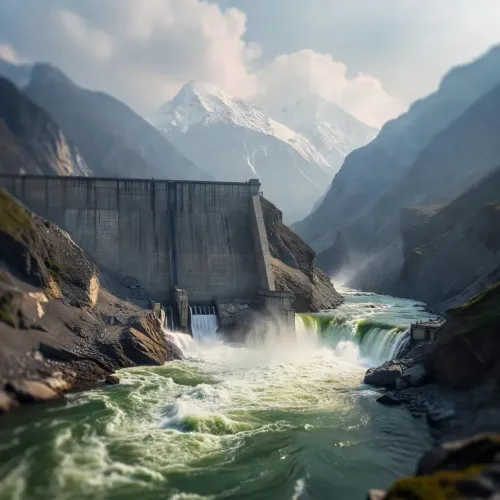
Himachal Pradesh's rivers have powered the national grid for decades — now Chief Minister Sukhvinder Singh Sukhu is making sure the state gets a far larger share of what flows from them. In a cabinet meeting on Sunday, 15 November 2026, the Sukhu government approved amendments to the Swarna Jayanti Urja Niti, 2021, reshaping the royalty and asset-transfer terms for central-sector hydropower projects operating on Himachal's rivers.
What the Amendment Actually Changes
Under the revised policy, once a central public sector undertaking's hydropower project completes 40 years of operation, Himachal Pradesh will receive 50% of the electricity generated as free-power royalty for the following 10 years. That is a substantial uplift from earlier royalty arrangements. Then, at the 50-year mark, the project itself transfers to the state government — at no cost.
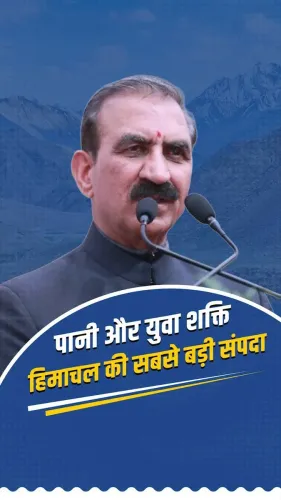
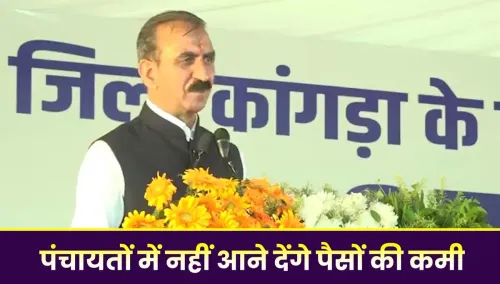
Sukhu framed the decision in direct terms: the amendments will 'increase the state's income, accelerate development, and ensure that the people of Himachal get greater benefit from their own resources.' The language is deliberate — these are rivers that run through the state's valleys, harnessed under long-concession agreements that were negotiated in a different political era.
Himachal's Long-Running Battle Over Hydro Revenue
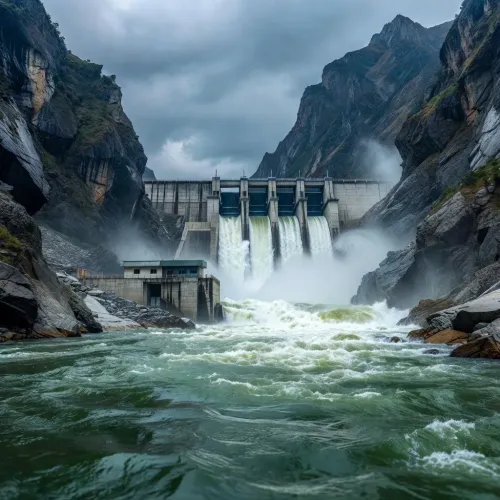
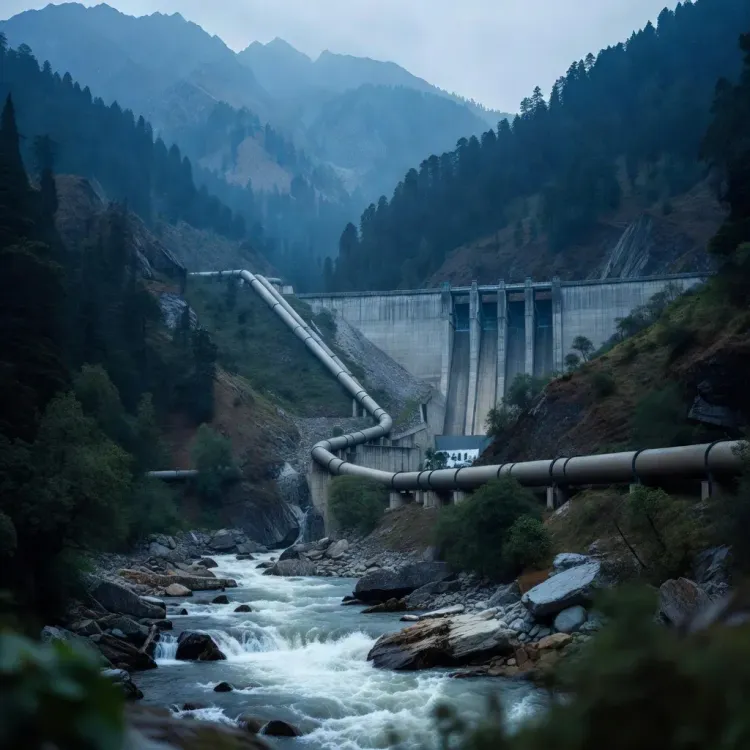
Himachal Pradesh sits atop one of India's most productive hydropower endowments, with major rivers — the Sutlej, Beas, and Ravi — feeding projects built and operated by central undertakings for decades. The state has historically received a royalty slice, but as those concession clocks tick toward the 40- and 50-year marks, successive governments have pressed for better terms.
The pattern is not unique to Himachal — Indian states with ageing central-sector energy infrastructure have periodically renegotiated or sought legislative leverage to claim larger shares as the original capital recovery periods end. What makes this amendment notable is the explicit 50% free-power threshold and the guaranteed asset-reversion clause built directly into state energy policy.
What It Means for State Finances and Residents
Hydropower royalties are a material revenue line for a hill state with limited industrial base and high public expenditure needs. A jump to 50% free power from ageing central projects — which tend to have fully or largely depreciated capital costs — could translate into significant additional electricity for the state to sell or distribute, directly fattening the fiscal position.
The eventual asset transfer at 50 years is the longer game: ownership of operational hydropower infrastructure gives Himachal direct control over generation capacity that it currently only royalties from. That is a structural shift in the state's energy economy, not merely an accounting adjustment.
Specific projects covered by the amendment, and the precise timelines triggering the new provisions, will become clearer as the government notifies implementing rules and engages with individual central undertakings. The real fiscal impact will show up in state budget projections once those negotiations conclude.
For a state that has long argued its geography is both its greatest resource and its greatest burden, this cabinet decision is a claim — written into policy — that Himachal's rivers should finally work harder for Himachal.
Point of View
The Sukhu government is converting a negotiating position into law — raising the floor for any future discussions with central undertakings. The move also carries a political dividend: framing hydropower revenue as a matter of people's rights over 'their own resources' is a durable electoral argument in a state where energy royalties directly affect public finances and local sentiment. The real test will be implementation — whether central undertakings accept the amended terms smoothly or contest them.
NationPress
15 Nov 2026
Frequently Asked Questions
What is the Swarna Jayanti Urja Niti amendment approved by HP cabinet?
The amendment to the Swarna Jayanti Urja Niti, 2021, mandates that central public sector hydropower projects in Himachal Pradesh must provide 50% of their power as free royalty to the state once they complete 40 years of operation, and must transfer the entire project to the state government free of cost at 50 years.
How much free power will Himachal Pradesh get from central hydro projects?
Under the amended policy, Himachal Pradesh will receive 50% of electricity generated by qualifying central-sector hydropower projects as free-power royalty for 10 years after those projects complete 40 years of operation.
When do central hydro projects transfer to Himachal Pradesh government?
Central public sector hydropower projects operating in Himachal Pradesh will transfer to the state government at no cost once they complete 50 years of operation, under the amended Swarna Jayanti Urja Niti.
Why is hydropower royalty important for Himachal Pradesh?
Himachal Pradesh has significant hydropower resources on rivers like the Sutlej, Beas, and Ravi, but many major projects are operated by central undertakings. Royalty income from these projects is a key revenue source for the state, which has limited industrial alternatives.
Which central hydro projects are covered by the HP energy policy amendment?
The post and official communication do not name specific projects. The policy applies to central public sector undertakings' hydropower projects operating in Himachal Pradesh; exact projects will be identified as implementing rules are notified.