CM Sukhu Condemns BJP 'Purification' Ritual After Kharge Rally
Synopsis
HP CM Sukhvinder Singh Sukhu condemned BJP workers for performing a so-called 'purification' havan on stage after Congress chief Mallikarjun Kharge's Haldwani rally, calling it an insult to Dalits and the Constitution, and demanding immediate legal action.
Key Takeaways
BJP workers allegedly performed a havan at Ramleela Maidan, Haldwani after a rally by Congress President Mallikarjun Kharge , calling it 'purification'.
HP CM Sukhvinder Singh Sukhu called the act 'extremely shameful and condemnable' and demanded immediate legal action against the perpetrators.
Sukhu invoked Sant Kabir Das, Sant Ravidas, Mahatma Gandhi and Dr.
Ambedkar to contextualise the act as a regression against India's anti-caste reform tradition.
Article 17 of the Constitution abolished untouchability in 1950 ; the Protection of Civil Rights Act, 1955 and the SC/ST (Prevention of Atrocities) Act, 1989 further criminalise such conduct.
The incident places pressure on Uttarakhand's BJP-led government to respond to demands for an FIR against those involved.
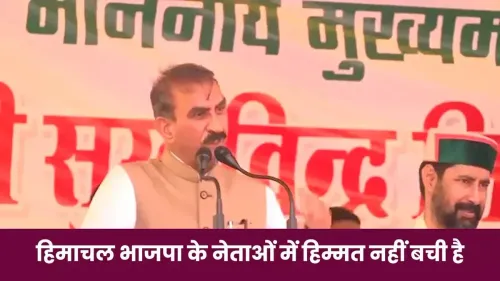
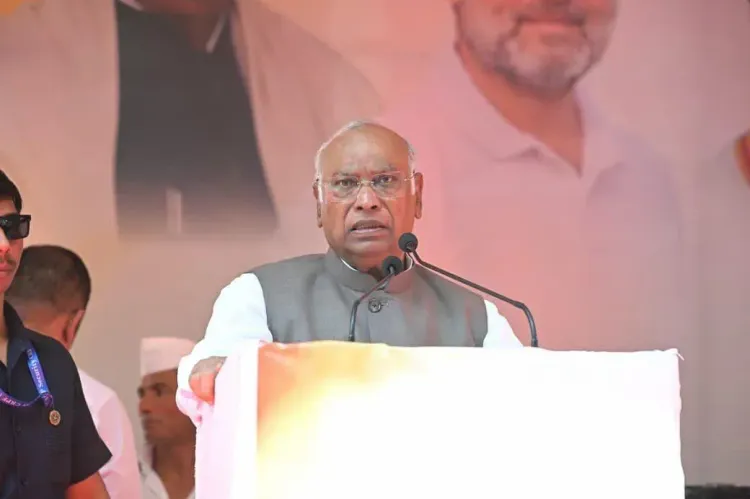
A political storm broke over Haldwani, Uttarakhand, on Thursday, 13 August 2026, after Bharatiya Janata Party workers allegedly performed a havan (fire ritual) on the stage at Ramleela Maidan following a public rally addressed by Congress President and Rajya Sabha Leader of Opposition Mallikarjun Kharge — and called it 'purification'. The act drew immediate, sharp condemnation from Himachal Pradesh Chief Minister Sukhvinder Singh Sukhu, who called it 'extremely shameful and condemnable' and demanded instant legal action against those responsible.
What happened at Ramleela Maidan
Sukhu's post, written in Hindi, described the sequence plainly: BJP workers conducted a havan on the same stage where Kharge had spoken, framing it as an act of ritual cleansing. The CM translated the political meaning without ambiguity — calling a person's presence 'pure' or 'impure' has no place in a democracy, he wrote, and the gesture amounted to an insult not only to Kharge personally but to 'crores of Dalits and the spirit of the Constitution.'
The constitutional line BJP workers crossed
Article 17 of the Constitution of India, adopted in 1950, abolished untouchability outright and made its practice a punishable offence. The Protection of Civil Rights Act, 1955, followed, penalising untouchability in both public and private spaces. The Scheduled Castes and the Scheduled Tribes (Prevention of Atrocities) Act, 1989, went further, criminalising acts of caste-based humiliation and indignity. A ritual performed to 'cleanse' a space after a Dalit leader's presence sits squarely in the territory these laws were designed to address.
Sukhu invoked the full arc of India's anti-caste struggle — from Sant Kabir Das and Sant Ravidas to Mahatma Gandhi and Dr. B.R. Ambedkar, the architect of the Constitution itself — to frame the act not as a local political squabble but as a regression against centuries of hard-won social reform. The weight of that lineage was deliberate.
Sukhu's demand and what Uttarakhand must answer
The Himachal Pradesh CM's demand is specific: immediate legal action against the perpetrators. That demand now lands on Uttarakhand's BJP-governed administration, which faces pressure to either act on the complaint or explain its inaction. Any FIR filed — or conspicuously not filed — will itself become a political data point in the ongoing Congress-BJP contest over who genuinely defends constitutional values on caste.
Kharge, as the first Dalit president of the Indian National Congress in decades, carries symbolic weight that makes the targeting of his rally stage particularly charged. The incident slots into a recurring pattern across northern states where caste-coded gestures at political events ignite national-level outrage — and where the response of law enforcement becomes the next story.
The ritual lasted a moment. The question it has reopened — whether India's constitutional guarantee of equality is enforceable in practice — will not close as quickly.
Point of View
Sukhu is shifting the pressure onto Uttarakhand's ruling BJP to either act or be seen as complicit. Kharge's identity as a Dalit Congress president makes him a particularly high-profile target, raising the symbolic stakes beyond a routine inter-party spat. The episode will likely feed into Congress's broader 2026 narrative of positioning the BJP as constitutionally hostile to Dalit dignity.
NationPress
13 Aug 2026
Frequently Asked Questions
What did BJP workers do after Kharge's Haldwani rally?
BJP workers allegedly performed a havan (fire ritual) on the stage at Ramleela Maidan, Haldwani, after Congress President Mallikarjun Kharge addressed a public rally there, and described the act as 'purification' of the stage.
Why did CM Sukhu condemn the havan at Haldwani?
Himachal Pradesh CM Sukhvinder Singh Sukhu said performing a ritual to 'purify' a stage after a Dalit leader's presence amounts to practising untouchability, which is a constitutional offence under Article 17, and is an insult to crores of Dalits and the spirit of the Constitution.
Is untouchability illegal in India?
Yes. Article 17 of the Constitution of India, adopted in 1950, abolished untouchability and made its practice punishable. The Protection of Civil Rights Act, 1955, and the SC/ST (Prevention of Atrocities) Act, 1989, further criminalise caste-based humiliation.
What action has Sukhu demanded over the Haldwani purification controversy?
CM Sukhu has demanded immediate legal action — specifically criminal proceedings — against those responsible for the purification ritual at the Haldwani rally venue.
Who is Mallikarjun Kharge and why does this incident matter?
Mallikarjun Kharge is the President of the Indian National Congress and Leader of the Opposition in the Rajya Sabha. As a prominent Dalit leader, a ritual framed as 'purifying' the stage after his presence carries direct constitutional and social significance regarding untouchability.