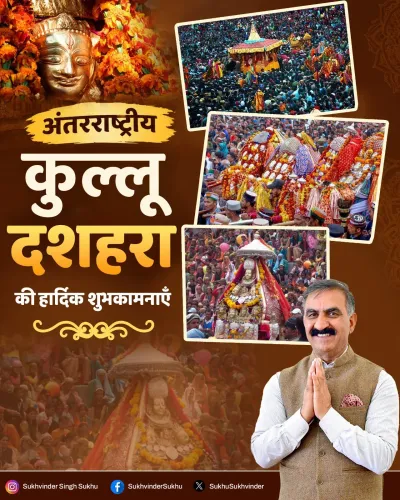
CM Sukhu greets Himachal on International Lavi Mela
Synopsis
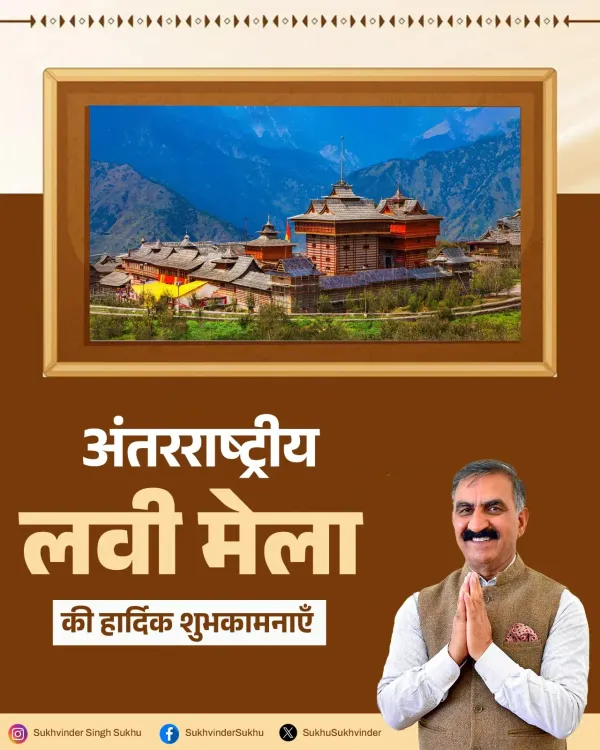
Himachal Pradesh CM Sukhvinder Singh Sukhu greeted the state on the International Lavi Mela, spotlighting Rampur's centuries-old trade fair and the ancestral crafts — pashmina, namda, patti, and chilgoza — that define the mountain economy.
Key Takeaways
CM Sukhvinder Singh Sukhu extended greetings for the International Lavi Mela on 11 November 2026 .
The fair is held in Rampur Bushahr, Himachal Pradesh , and has centuries-old roots in trans-Himalayan trade.
Key crafts highlighted: woollen garments, namda, patti, pashmina , and chilgoza (pine nuts).
Sukhu described the fair as a symbol of Himachal's identity and its artisans' ancestral skill ( pushteini hunar ).
The mela is a significant economic event for local weavers, pastoral communities, and forest-produce traders.
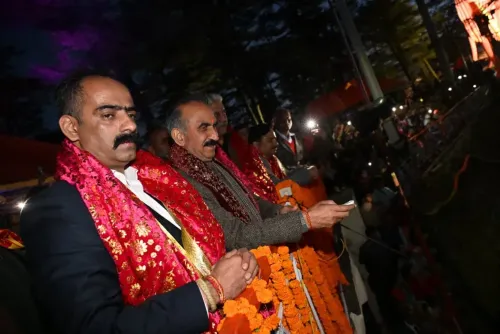
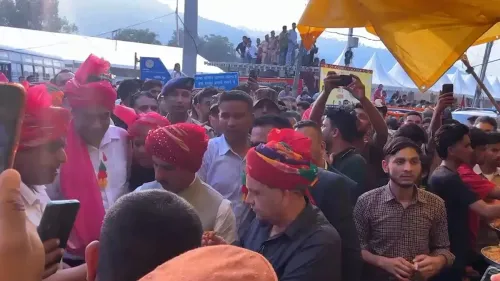
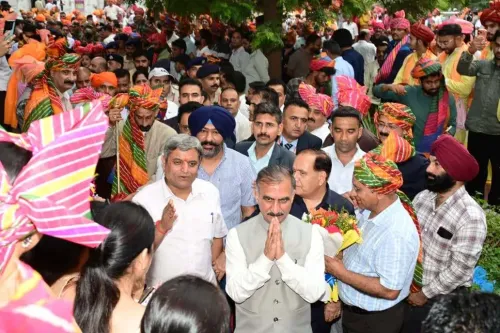
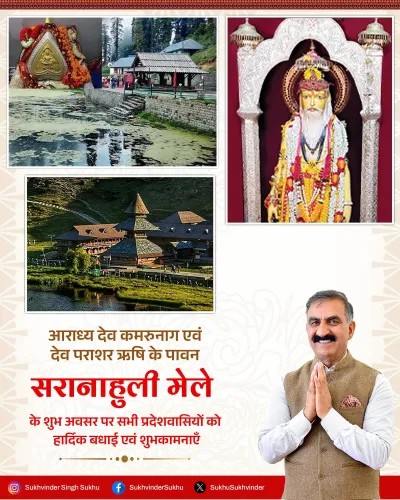
High in the Sutlej valley, where traders once crossed mountain passes carrying wool and dried fruits, an ancient fair still keeps that barter spirit alive. Himachal Pradesh Chief Minister Sukhvinder Singh Sukhu extended warm wishes on Wednesday, 11 November 2026, for the International Lavi Mela in Rampur, calling it a symbol of Himachal's identity and centuries-old trading tradition.
In his post, CM Sukhu wrote: 'अंतरराष्ट्रीय लवी मेला हिमाचल की पहचान और वर्षों पुरानी व्यापारिक परंपरा का प्रतीक है' — 'The International Lavi Mela is a symbol of Himachal's identity and its age-old trading tradition.' He specifically named woollen garments, namda (felt rugs), patti (hand-woven fabric), pashmina, and chilgoza (pine nuts) as the living emblems of the region's rich heritage and the ancestral craft of its artisans.
Rampur's fair and the mountain-trade legacy
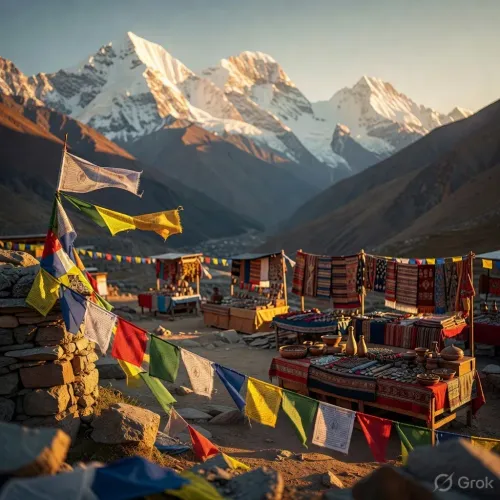
The Lavi Mela, held annually in Rampur Bushahr, traces its roots to a time when traders from Tibet, Kinnaur, and the plains converged each winter to exchange goods before snowbound passes closed the high routes. The fair grew into one of Himachal Pradesh's most storied commercial gatherings, eventually earning international recognition for drawing craft buyers and cultural visitors from across the region. Wool, in its many forms — spun, felted, woven — remains its heartbeat.
Pashmina, namda, and the artisans behind the looms
The crafts Sukhu highlighted are not museum pieces. Local weavers and artisans in Himachal's mountain districts still practise techniques passed down through generations, producing the ultra-fine pashmina and the sturdy hand-loomed patti that define the state's handicraft identity. Chilgoza — the prized pine nut harvested from forests in Kinnaur and Shimla districts — adds an agricultural layer to the fair's economy, connecting forest communities to buyers well beyond the state's borders.
Indian state governments routinely mark such fairs with official greetings, but the Lavi Mela carries particular economic weight for Himachal's artisan and pastoral communities, for whom the annual event represents real revenue, not just ritual. CM Sukhu's acknowledgement of 'ancestral skill' — pushteini hunar — signals the state's continued framing of these crafts as heritage assets worth protecting and promoting.
As the winter trading season opens in the hills, the Lavi Mela stands as a reminder that some supply chains were global long before the word existed.
Point of View
Namda, chilgoza — rather than offering a generic salutation, Sukhu anchors the message in tangible artisan livelihoods, a framing that resonates with Congress's broader narrative of protecting local and marginalised producers. With Himachal's hill economy under perennial pressure from migration and climate disruption, state visibility for craft fairs carries quiet policy weight beyond ceremonial courtesy.
NationPress
11 Nov 2026
Frequently Asked Questions
What is the International Lavi Mela?
The International Lavi Mela is an annual traditional fair held in Rampur Bushahr, Himachal Pradesh, with centuries-old roots in trans-Himalayan trade. It is known for wool, pashmina, namda, patti, and chilgoza.
Where is the Lavi Mela held?
The Lavi Mela is held in Rampur Bushahr, in the Shimla district of Himachal Pradesh, situated along the Sutlej river valley.
What crafts are associated with the Lavi Mela?
The fair is closely associated with woollen garments, namda (felt rugs), patti (hand-woven fabric), pashmina shawls, and chilgoza (pine nuts) — all traditional products of the Himachal hill economy.
Why did CM Sukhu post about the Lavi Mela?
Chief Minister Sukhvinder Singh Sukhu extended greetings to mark the International Lavi Mela on 11 November 2026, highlighting the fair's significance as a symbol of Himachal Pradesh's heritage and artisan traditions.
What is chilgoza and why is it important to Himachal Pradesh?
Chilgoza is the edible pine nut harvested from forests in districts like Kinnaur and parts of Shimla. It is an important forest produce that connects Himachal's mountain communities to wider markets and is a prized feature of the Lavi Mela trade.