CM Sukhu hails Nihaarika Rana's Kurash World bronze
Synopsis
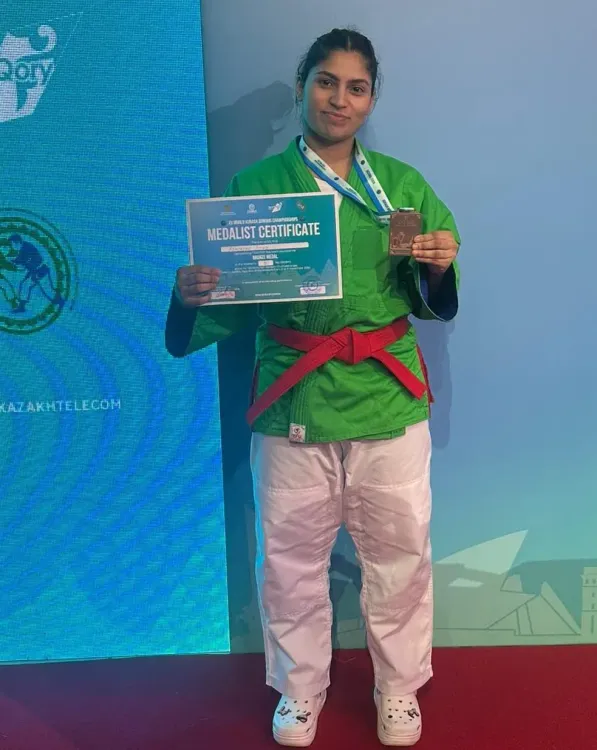
Himachal Pradesh CM Sukhvinder Singh Sukhu celebrated Nihaarika Rana's bronze medal at the Kurash World Championship in Astana, Kazakhstan, calling her victory a source of inspiration for the state's emerging sporting talent.
Key Takeaways
Nihaarika Rana won a bronze medal at the Kurash World Championship held in Astana, Kazakhstan .
CM Sukhvinder Singh Sukhu publicly congratulated her on November 8, 2026 , expressing personal joy and pride.
Sukhu revealed that Nihaarika had met him in Shimla before travelling to compete at the championship.
Kurash is a traditional Central Asian upright wrestling discipline recognised by the International Olympic Committee since 1999 .
The CM described the achievement as an inspiration for emerging sporting talent across Himachal Pradesh .
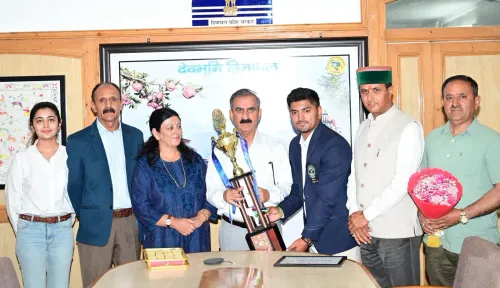
A young athlete from the hills of Himachal Pradesh has just put her state on the world map of a sport most Indians are still discovering. Nihaarika Rana won a bronze medal at the Kurash World Championship held in Astana, Kazakhstan, and Himachal Pradesh Chief Minister Sukhvinder Singh Sukhu was quick to celebrate the feat on Sunday, November 8, 2026.
Posting on X in Hindi, CM Sukhu wrote: 'Himachal ki beti Nihaarika Rana ne kansy padak jeetkar antarrashtriya star par pradesh ka gaurav badhaya hai' — 'Himachal's daughter Nihaarika Rana has brought glory to the state at the international level by winning a bronze medal at the Kurash World Championship in Astana, Kazakhstan.' He added that he was filled with 'joy and pride' at her success.
A meeting in Shimla before the journey to Astana
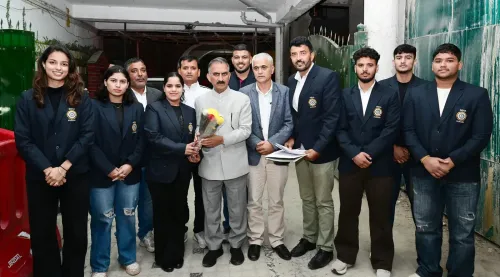
What gives this post a personal edge: Sukhu disclosed that Nihaarika visited him in Shimla before she left for the championship. That detail — a young athlete from a hill state calling on her Chief Minister ahead of a world-stage appearance — speaks to the kind of visibility that can quietly transform a sporting career. The CM's public endorsement, before and after the event, signals institutional backing that athletes in smaller states often struggle to secure.
Kurash: an ancient sport finding a modern stage
Kurash is a traditional form of upright wrestling that originated in Central Asia, with roots going back over three millennia in what is now Uzbekistan. It was recognised by the International Olympic Committee in 1999 and has been pushing for wider global inclusion ever since. Kazakhstan, sharing the same Central Asian sporting culture, is a natural host for a world championship in this discipline. For an Indian athlete — let alone one from a mountain state — to reach the podium at this level is a genuinely rare achievement.
Why Himachal's sporting spotlight matters
Himachal Pradesh has historically punched above its weight in adventure and individual sports, but state-level infrastructure and incentive structures remain a work in progress. Chief ministers across Indian states routinely amplify athlete achievements on social media, and the pattern carries real policy implications: public recognition tends to precede — and sometimes accelerate — formal state support in the form of cash awards, government jobs, or dedicated training facilities.
Sukhu's closing line in the post underscored exactly that logic: Nihaarika's achievement, he wrote, 'will become a source of inspiration for the emerging sporting talent of the state.' Whether that inspiration translates into structural support — training grants, coaching camps, international exposure — will be the real test of intent.
Nihaarika Rana has handed Himachal Pradesh a bronze medal and a blueprint. The state's next move will determine how many follow her path.
Point of View
Blending soft political branding with genuine sports promotion. For a relatively small hill state like Himachal Pradesh, international podium finishes are rare enough to carry outsized symbolic weight — and Sukhu's personal disclosure of a pre-competition meeting in Shimla signals an unusually direct line of patronage. The critical question is whether this public moment converts into institutional follow-through: cash incentives, coaching support, or sports academy investment. India's broader push to diversify its medal portfolio beyond cricket and badminton depends precisely on these state-level catalysts translating recognition into resource allocation.
NationPress
8 Nov 2026
Frequently Asked Questions
Who is Nihaarika Rana?
Nihaarika Rana is a young athlete from Himachal Pradesh who won a bronze medal at the Kurash World Championship held in Astana, Kazakhstan, bringing international recognition to her state.
Where was the Kurash World Championship 2026 held?
The Kurash World Championship was held in Astana, the capital of Kazakhstan.
What did CM Sukhu say about Nihaarika Rana's medal?
CM Sukhvinder Singh Sukhu congratulated Nihaarika Rana, said he felt 'joy and pride' at her success, revealed she had met him in Shimla before the event, and called her achievement an inspiration for Himachal Pradesh's emerging sporting talent.
What support do Himachal Pradesh athletes receive after winning international medals?
Indian state governments, including Himachal Pradesh, often follow up high-profile athletic achievements with cash awards, government employment offers, or enhanced training support, though specific announcements in this case have not yet been confirmed.